Why Homeowners Are Switching to a Landscape Design App Before Planting
April 23, 2026

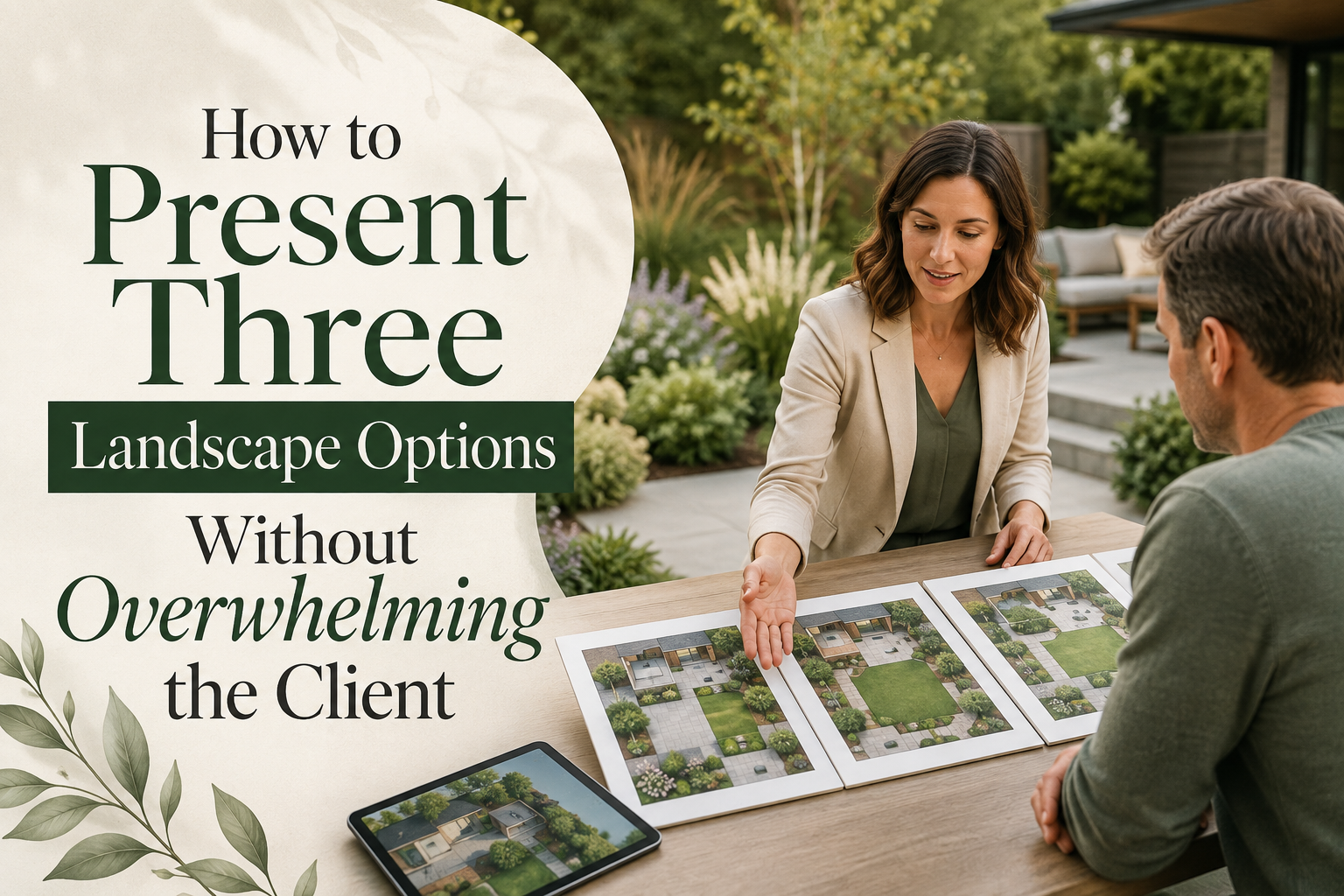
Planting used to start with a rough sketch, a few photos for inspiration, and a trip to the garden center. Now, more homeowners want to see the plan before they spend the money. That is a big reason landscape design apps are becoming part of the process.
Instead of guessing where a patio should go, whether a flower bed is too wide, or if a tree will crowd the front yard, homeowners can preview ideas first. That shift is changing how outdoor projects begin.
A landscape design app does not replace good judgment, proper site prep, or plant knowledge. What it does is help people make clearer decisions earlier. For homeowners, that can mean fewer mistakes, better spacing, and more confidence before any digging starts.
Why the old way creates costly mistakes
A lot of planting problems begin before the first plant even goes into the ground.
Homeowners often buy plants because they look good in the nursery, not because they fit the layout. A bed that seemed balanced in theory can look sparse once planted, while a patio edge that felt right on paper may turn out too tight once furniture is added. In many yards, the issue is not effort. It is visualization.
That is why so many outdoor projects end up with common problems such as:
- Plants spaced too close or too far apart
- Beds that feel uneven or empty
- Walkways that look disconnected
- Hardscape that overpowers the yard
- Impulse purchases that do not fit the final plan
A landscape design app helps reduce those problems because it allows homeowners to test ideas before they commit.
Homeowners want to see the design before spending money
One of the biggest reasons for the switch is simple: people want a clearer picture of the result.
Outdoor projects can get expensive fast. Once you add plants, mulch, edging, lighting, pavers, or patio furniture, costs rise quickly. Homeowners are less willing to make decisions based only on imagination when a digital preview can help them compare layouts first.
Seeing the design in advance makes it easier to answer practical questions:
Will the flower bed look full enough?
Is the patio too large for the yard?
Does the walkway line up with the space naturally?
Will the plants soften the hardscape properly?
Is the overall layout balanced?
Those are not small details. They are often the difference between a yard that feels finished and one that feels off.
Better planning helps homeowners avoid buying the wrong plants
Plant buying is where many budgets start to slip.
Without a plan, it is easy to overbuy, mix too many plant styles, or choose sizes that do not work together. A design app helps by making the layout feel more intentional before shopping begins. That gives homeowners a stronger idea of where focal plants should go, where filler plants are needed, and where open space should stay open.
This is especially helpful for people who want a cleaner, more polished look. A good outdoor design is rarely about adding more of everything. It is about placing the right things in the right spots.
Apps make it easier to test ideas without redoing the yard
Another major reason homeowners are making the switch is flexibility.
Before planting, it is easy to move a path on a screen, try a different bed shape, or see how shrubs might frame a patio. After planting, those same changes can mean wasted money, damaged plants, and extra labor.
That makes digital planning useful even for smaller projects. Homeowners do not need a full property renovation to benefit. A simple front bed refresh, backyard seating area, or side-yard cleanup can still improve when the layout is tested first.
The appeal is not just design. It is confidence.
Many homeowners are not professional designers. They just want to avoid getting the layout wrong.
That is where these apps are especially valuable. They make outdoor planning feel less abstract. Instead of trying to imagine scale, spacing, and flow in your head, you can work through ideas more clearly.
That added confidence matters because planting decisions often affect:
- Curb appeal
- Maintenance needs
- Outdoor usability
- Long-term growth and spacing
- Overall project cost
When people feel more sure about the layout, they are more likely to make better choices from the start.
Why this shift fits how homeowners plan projects today
Home improvement decisions are more visual now than they used to be. People compare designs, save inspiration, and want to preview results before making a purchase. Landscaping is following that same pattern.
A landscape design app fits naturally into that mindset because it helps bridge the gap between inspiration and execution. Homeowners can take ideas they like and see whether they actually work in their own space.
That matters because a beautiful yard online may not suit a narrow side yard, a sloped backyard, or a front entry with limited sunlight. The ability to adapt ideas to the real site is a major reason more homeowners are planning digitally before planting.
How iScape fits into this trend
iScape is one of the apps built around this exact need. On its official website, iScape says users can visualize a finished landscape project from a mobile device before spending real time and money, and the company says the app has nearly 4 million downloads. Its site also describes the app as easy to use and built for outdoor planning.
Its app store listings also position it for both homeowners and professionals. Apple’s App Store describes iScape as a landscape design app for creating outdoor living areas and says it is for DIY homeowners as well as industry professionals. Google Play says the app helps users plan outdoor spaces with more accuracy, explore ideas before work begins, and organize project details in a clearer way.
In practical terms, that means a homeowner can use a tool like iScape to compare bed layouts, test hardscape placement, adjust proportions, and get a stronger sense of how plants and built features may work together before installation. That does not replace site measurements or plant knowledge, but it can make the planning stage far more efficient. This is an inference based on the features described in iScape’s official materials and app listings.
Homeowners are also trying to avoid layout regret
A lot of landscape disappointment is not about plant health. It is about design regret.
The shrubs may be healthy, the flowers may bloom, and the patio may be well built, but the yard still may not feel right. Often, that comes down to layout choices that were never fully tested before work began.
That is another reason landscape design apps are gaining attention. They help people catch issues earlier, such as:
- A flower bed that is too shallow to look full
- A patio that leaves no room for circulation
- A walkway shape that feels awkward
- A tree placement that blocks visibility
- A planting plan with too much variety and no structure
These are easier to fix during planning than after installation.
The switch is about smarter planting, not just technology
It would be easy to think this trend is only about new tools, but the bigger shift is really about better decision-making.
Homeowners are becoming more careful with outdoor budgets. They want to plant with intention, not just enthusiasm. They want a design that fits their yard, their maintenance expectations, and the way they actually use the space.
A landscape design app supports that process by helping them slow down, compare options, and make design choices before materials and plants are purchased.
Final thoughts
Homeowners are switching to a landscape design app before planting because it helps solve one of the biggest problems in outdoor projects: not knowing exactly how the plan will look until it is already installed.
By visualizing the layout first, people can make clearer choices about spacing, plant groupings, hardscape placement, and overall flow. That usually leads to fewer mistakes, less wasted spending, and a more intentional result.
For homeowners who want their yard to feel balanced before the work begins, planning digitally is becoming less of a bonus and more of a smart first step.