Approving a landscape design plan should never be a quick “looks good” decision. A design may look beautiful on paper, but the real test is how well it works in your actual yard, climate, budget, and daily routine.
A good landscape plan should solve problems, not create new ones. It should improve curb appeal, make outdoor spaces easier to use, manage water properly, support healthy plants, and match the way the homeowner wants to live outside.
Before you approve any landscape design plan, take time to review the details carefully. Small mistakes in the planning stage can lead to expensive changes later, such as poor drainage, overcrowded plants, wrong material choices, unsafe walkways, or a layout that looks nice but feels hard to use.
Here are the 10 most important things to check before giving final approval.
1. Check if the design matches the real site conditions
A landscape design should be based on the actual yard, not just an idea of what looks good. Every property has its own conditions, and those conditions affect what will work. Before approving the plan, check whether the designer has considered:
- Yard size and shape
- Slope and elevation changes
- Sun and shade patterns
- Soil condition
- Existing trees and plants
- Drainage flow
- Utility lines
- Driveways, fences, patios, and walkways
For example, a plant that needs full sun may struggle if placed in a shaded corner. A patio may look good in a drawing but may not work well if it sits in the lowest part of the yard where water collects. The best landscape plans respond to the site. They do not force a design that only looks good in a picture.
2. Review how people will move through the space
A landscape design should be easy to walk through and use. Before approving the plan, look closely at the layout of paths, steps, gates, patios, seating areas, and entry points. Ask yourself:
- Is there a clear path from the driveway to the front door?
- Can guests move easily through the yard?
- Are walkways wide enough?
- Is the patio placed where people will actually use it?
- Is there enough space around furniture, grills, planters, or outdoor features?
- Are steps safe and easy to see?
This matters because a yard is not just something to look at. It needs to function in real life. A narrow walkway, awkward patio placement, or blocked access point can make the space frustrating after installation.
For homeowners, this step helps prevent daily inconvenience. For landscape designers and contractors, it helps reduce change requests after the project starts.
3. Make sure drainage has been planned properly
Drainage is one of the most important parts of any landscape design plan. It is also one of the easiest things to overlook when the focus is only on plants, patios, and visual style. Poor drainage can cause:
- Standing water
- Soil erosion
- Plant root rot
- Mosquito problems
- Foundation issues
- Patio or walkway damage
- Muddy lawn areas
Before approving the design, check where water will go after rain. The plan should not send water toward the home, garage, neighbor’s property, or low-use areas where water can sit for days.
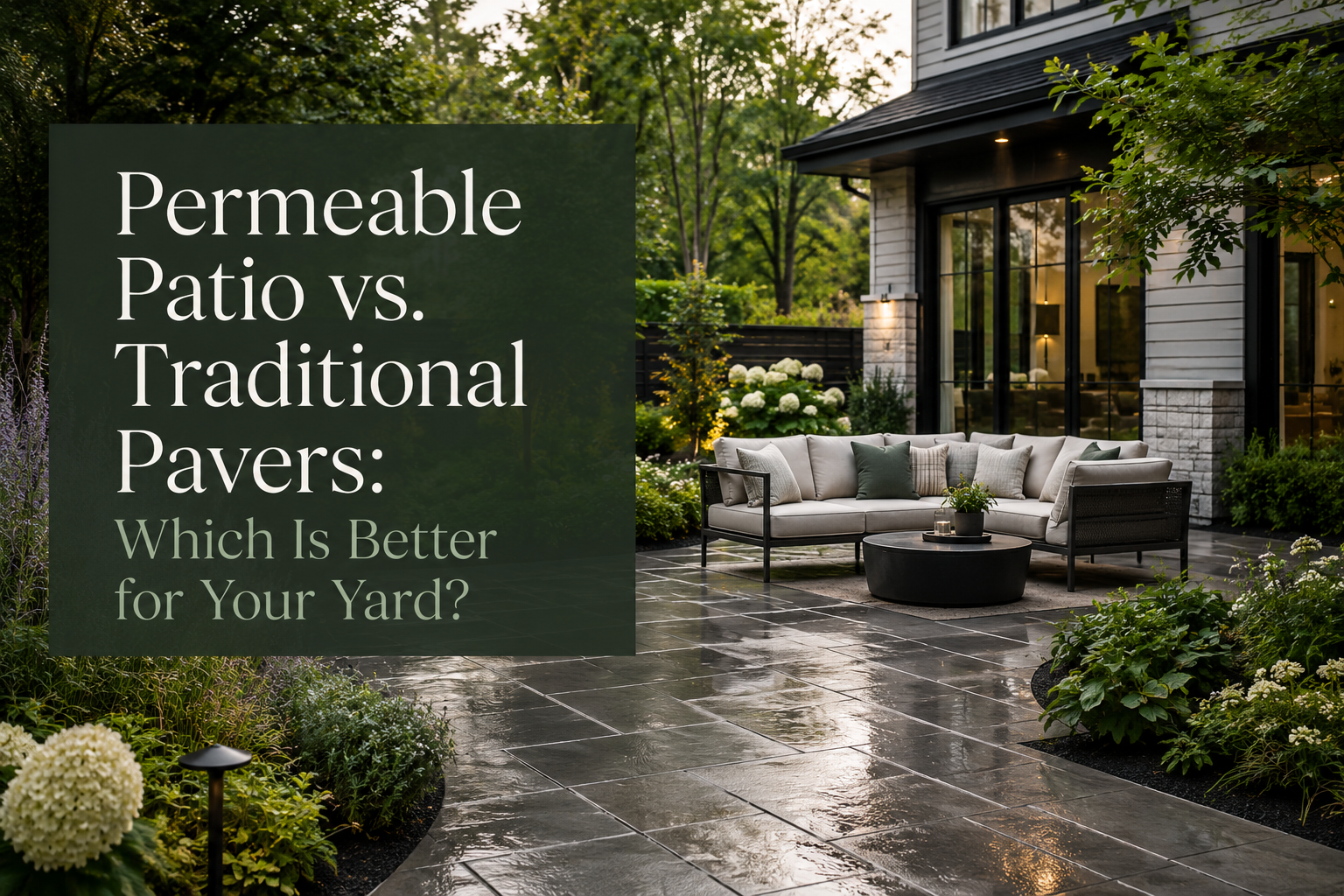
Look for drainage solutions such as grading, swales, French drains, permeable pavers, dry creek beds, rain gardens, or proper downspout extensions. The right solution depends on the yard, but the design should clearly show that water movement has been considered. A beautiful landscape can fail fast if water is not managed well.
4. Check plant choices for your climate and maintenance level
Plants should not be selected only because they look attractive in a design. They should fit the local climate, sun exposure, soil condition, water needs, and maintenance expectations. Before approving the planting plan, review each plant for:
- Mature size
- Sun or shade needs
- Water needs
- Soil preference
- Growth speed
- Seasonal interest
- Pruning needs
- Pest or disease concerns
- Local climate suitability
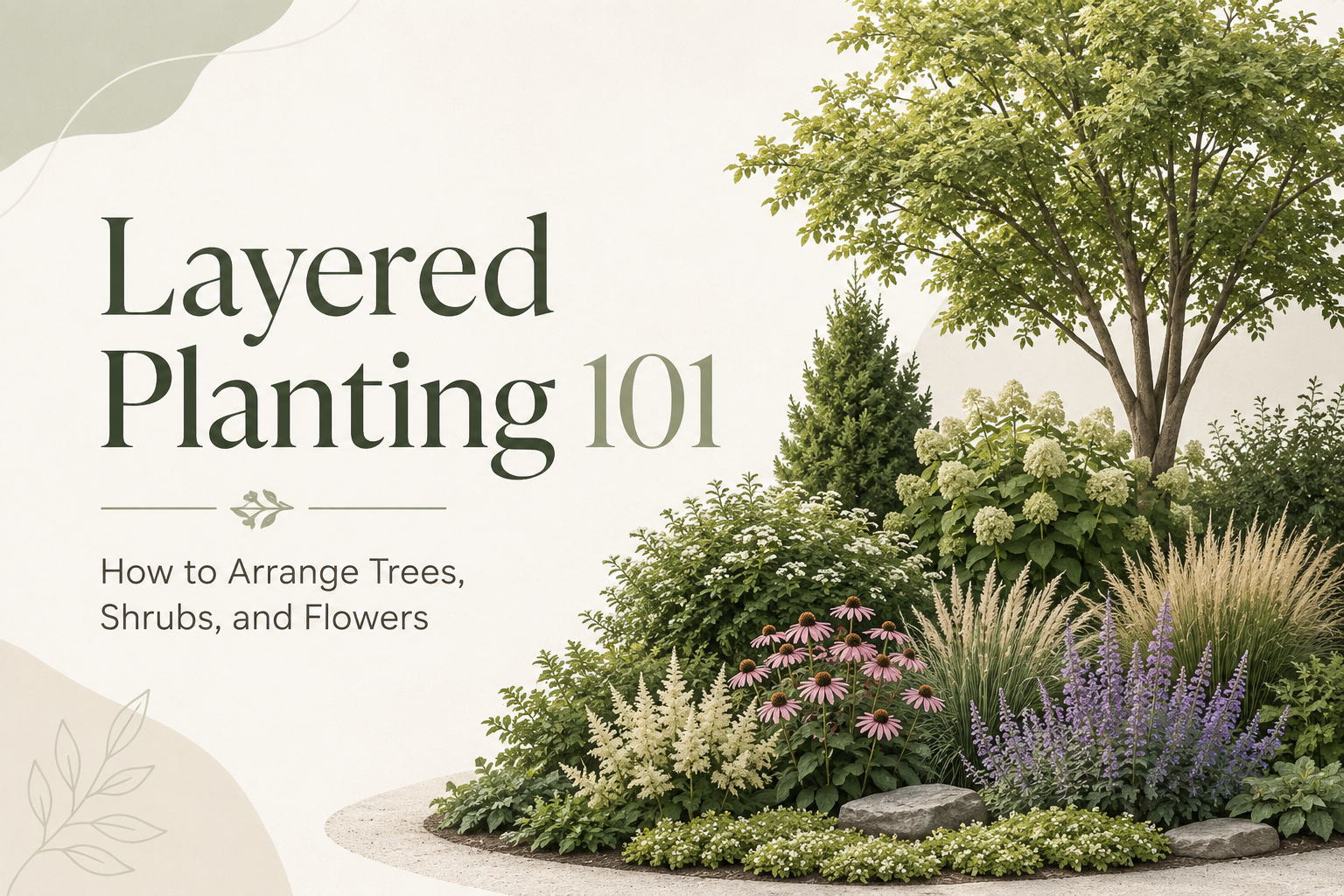
One common mistake is choosing plants that look perfect when young but become too large later. A small shrub placed close to a walkway can grow wide and block movement. A tree planted too close to the house can create root, roof, or maintenance problems in the future.
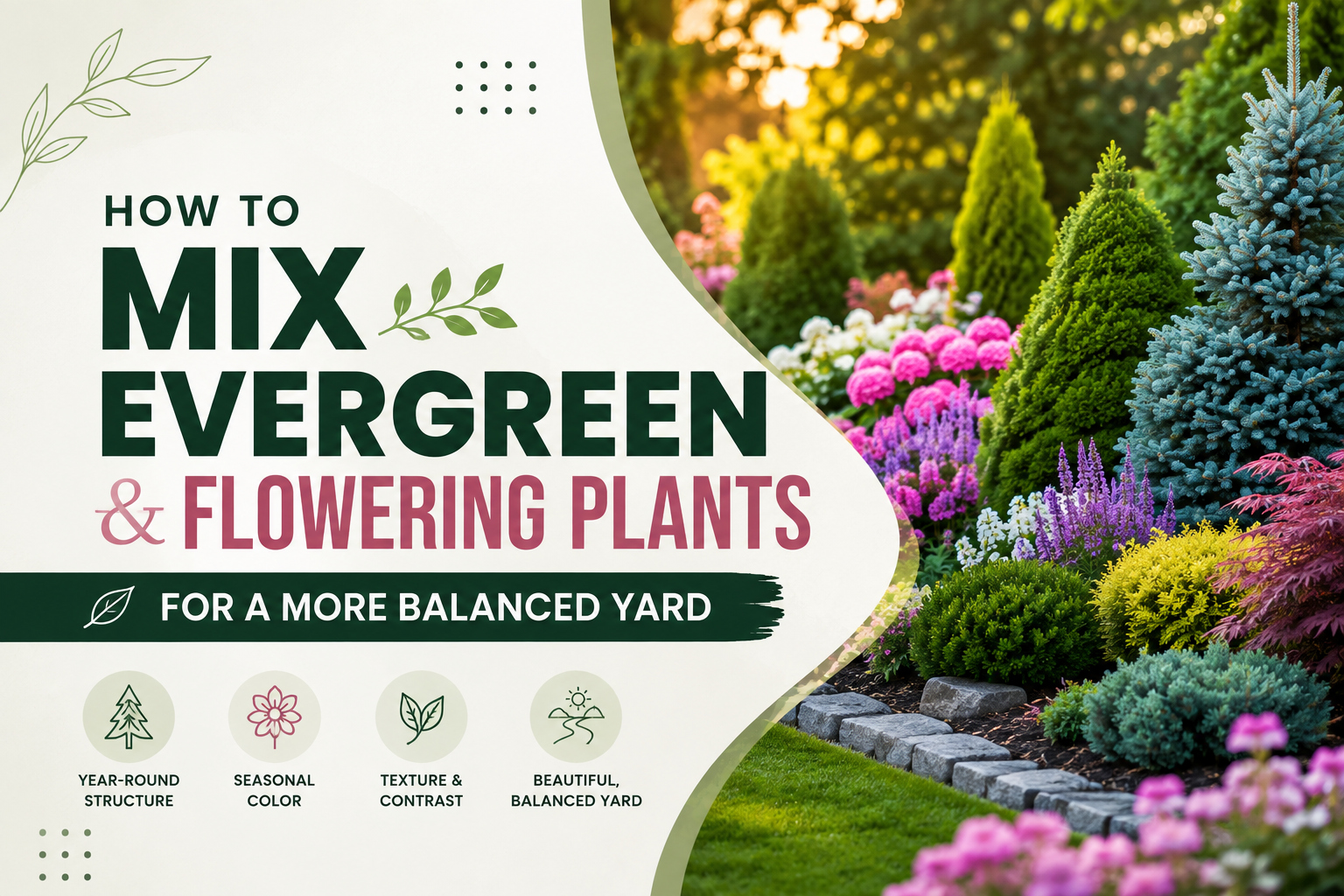
Also check if the design includes a good mix of evergreen plants, seasonal color, texture, and structure. A yard should not look good for only one season and feel empty the rest of the year. A strong plant plan balances beauty, health, and long-term care.
5. Look at the mature size of every plant
This point deserves extra attention because many landscape problems start with plant spacing.
A new landscape often looks open in the beginning because young plants are small. That can make homeowners feel the design is too empty. But plants need room to grow. If they are placed too close together, the yard may become crowded within a few years. Before approving the plan, check:
- How tall each plant will grow
- How wide each plant will spread
- Whether plants will block windows, paths, or views
- Whether roots may affect hardscape or structures
- Whether trees are too close to the home, driveway, or utility lines
A good landscape design does not only consider how the yard looks on installation day. It considers how it will look after 2, 5, and 10 years.
This is also where visual planning helps. Using a landscape design app like iScape can make it easier to preview plant placement, spacing, and layout before work begins. It gives homeowners and professionals a clearer idea of how different areas may look once the design comes together.
6. Review the hardscape materials carefully
Hardscape includes the non-living parts of the landscape, such as patios, walkways, retaining walls, edging, fire pits, outdoor kitchens, decks, driveways, and seating areas.
Before approving the plan, review the materials being used. Do not look only at color. Think about durability, safety, cost, maintenance, and how the material will perform in your climate. Check these details:
- Is the material slip-resistant?
- Will it get too hot in direct sun?
- Does it match the home’s exterior?
- Is it easy to clean?
- Can it handle foot traffic or vehicle traffic?
- Will it crack, fade, shift, or stain easily?
- Does it fit the budget?
For example, smooth stone may look elegant but may become slippery near a pool or shaded walkway. Dark surfaces may absorb heat in sunny areas. Some materials need sealing, cleaning, or repair more often than others.
The goal is not to choose the most expensive material. The goal is to choose the right material for the space and use.
7. Check if the design fits your lifestyle
A landscape plan should support how the space will be used. A design that works for one family may not work for another.
Before approving the plan, think about your daily life and outdoor habits. Ask yourself:
- Do you want a quiet seating area?
- Do you host guests often?
- Do you need space for children or pets?
- Do you want low-maintenance landscaping?
- Do you enjoy gardening?
- Do you need privacy from neighbors?
- Do you want an outdoor dining area?
- Do you need better curb appeal for resale value?
- Do you want a fire pit, water feature, or outdoor kitchen?
A yard designed for entertaining will look different from a yard designed for privacy. A family with pets may need open lawn space, durable plants, and secure fencing. A busy homeowner may need low-maintenance planting, drip irrigation, and simple bed layouts.
Approving a landscape design without checking lifestyle fit can lead to a yard that looks nice but does not serve the people who use it.
8. Review the maintenance requirements
Every landscape needs care. The key question is how much care you are willing to handle.
Before approving the design, ask what maintenance will be required weekly, monthly, and seasonally. Check for:
- Lawn mowing needs
- Pruning requirements
- Leaf cleanup
- Mulching
- Fertilizing
- Irrigation checks
- Weed control
- Plant replacement
- Hardscape cleaning
- Seasonal planting updates
Some designs look stunning but require a lot of upkeep. That may be fine for someone who loves gardening or has professional maintenance help. But for a busy homeowner, a high-maintenance design may become stressful.
If you want a low-maintenance yard, the plan should include practical choices such as native or climate-suitable plants, mulch beds, drip irrigation, fewer high-pruning shrubs, durable hardscape, and simple plant groupings. A good design should be honest about upkeep before the project starts.
9. Check the budget and installation phases
A landscape plan should match the available budget. Before approval, make sure the design is not only beautiful but also realistic to install. Ask for clear cost details on:
- Plants
- Soil preparation
- Hardscape
- Lighting
- Irrigation
- Drainage
- Labor
- Demolition or removal
- Permits
- Delivery fees
- Long-term maintenance
Also ask whether the project can be completed in phases. Phasing helps when the full design is right, but the full budget is not ready at once.
For example, the first phase may include grading, drainage, main patios, and large trees. The second phase may add lighting, extra planting, seating areas, or decorative features.
This approach helps avoid rushed decisions and budget stress. It also allows the most important parts of the design to be installed first.
The key is to approve a plan that has financial clarity. A vague design can lead to surprise costs later.
10. Confirm local rules, permits, and HOA requirements
Before approving a landscape design plan, check whether it follows local rules. This is especially important for front yards, fences, retaining walls, pools, decks, drainage changes, tree removal, and major hardscape work. Depending on the location, you may need approval from:
- Homeowners association
- City or county office
- Utility companies
- Building department
- Environmental or water management authority
HOA rules may control plant types, fence height, hardscape colors, lighting, front yard changes, and even mulch types. Local permits may be needed for retaining walls, grading, electrical work, irrigation backflow systems, or large structures.
Skipping this step can lead to fines, delays, redesigns, or removal of completed work.
A professional landscape plan should clearly account for these limits before work begins.
Bonus check: Make sure the plan is easy to understand
A landscape design plan should not feel confusing. Before approving it, make sure you understand what is included. You should be able to clearly see:
- Where plants will go
- What materials will be used
- Where paths, patios, and beds will sit
- How water will drain
- What the final layout will look like
- What is included in the project cost
- What is not included
- What will happen during each phase
If something is unclear, ask before approving the plan. It is much easier to fix confusion before installation than after materials have been ordered or construction has started.
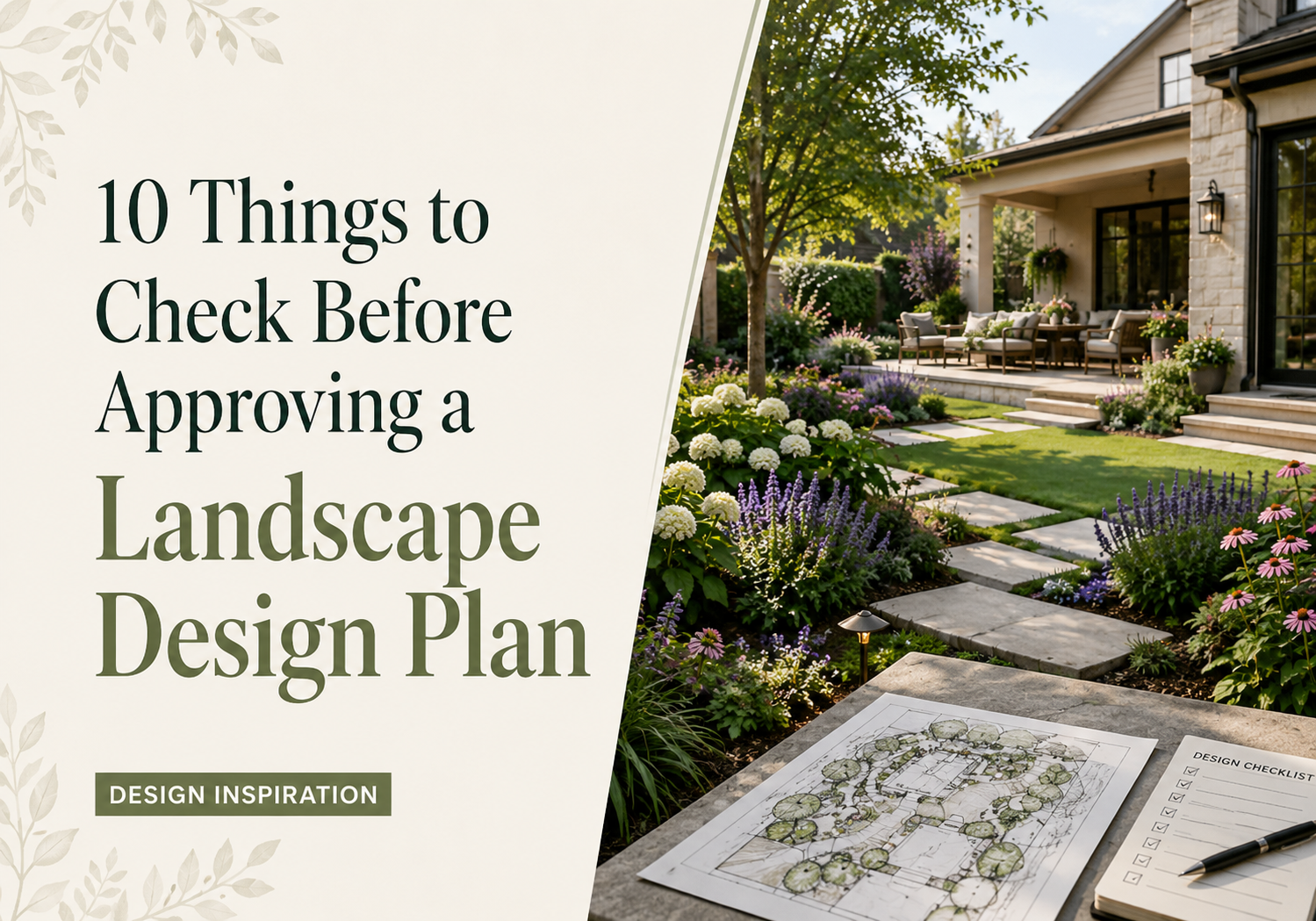
This is where visual tools can help. A 2D plan shows the layout, but a visual design app can help bring the idea closer to real life. For homeowners, it makes decisions easier. For contractors and landscape designers, it helps clients understand the plan faster and approve with more confidence.
Common mistakes to avoid before approving a landscape plan
Many landscape issues happen because the approval process moves too fast. Before you sign off, avoid these common mistakes:
- Approving based only on how the design looks
- Ignoring drainage and grading
- Choosing plants without checking mature size
- Not reviewing maintenance needs
- Forgetting local rules or HOA approval
- Underestimating hardscape costs
- Not checking walkway width and outdoor flow
- Selecting materials without thinking about weather
- Skipping lighting and irrigation planning
- Not asking how the design will age over time
A strong landscape design should look good, function well, and hold up over time.
Final thoughts
Approving a landscape design plan is a big step. Once work begins, changes can become costly, slow, and stressful. That is why careful review matters.
Before you approve the final plan, look beyond the visual style. Check the site conditions, drainage, plant choices, hardscape materials, maintenance needs, budget, local rules, and how the space will work in daily life.
The best landscape design is not just the one that looks beautiful on day one. It is the one that continues to work, grow, and support the property for years.
Before you approve your next landscape design, use iScape to visualize the layout, test ideas, and see how the plan may look in your real outdoor space. Try iScape for free and make design decisions with more confidence.