A well-designed outdoor space does not feel pieced together. It feels complete, balanced, and intentional. That sense of balance comes from how hardscape and plants are combined. Hardscape elements such as patios, walkways, and retaining walls provide structure and usability, while plants bring softness, movement, and seasonal interest. When both are planned together instead of separately, the result looks more refined and works better for everyday living. This guide takes a deeper approach to help you combine hardscape and plants in a way that feels natural, practical, and visually strong without making the design overly complex.
Understanding the role of hardscape and plants
A good landscape design always includes both built elements and natural elements in the right proportion. Too much hardscape can make the space feel cold and empty, while too many plants can make it look cluttered and unorganized. The goal is to create a balance where:
- Hardscape defines structure and usability
- Plants add softness and visual appeal
- Both elements feel connected and intentional
This balance is what makes a yard look professionally designed.
What makes a landscape feel “well-designed”
Before getting into techniques, it helps to understand what separates an average yard from a well-designed one. A strong landscape usually has:
- Clear layout and flow
- Defined spaces for use
- Smooth transitions between elements
- Balanced use of hard and soft materials
- Consistent colors and textures
- Low visual clutter
When hardscape and plants are combined correctly, all of these elements come together naturally.
Start with a functional layout
Before thinking about materials or plant types, focus on how the space should function. A patio designed for dining requires a different layout than one meant for relaxing or entertaining. Walkways should connect important areas naturally, not feel forced or awkward. Think about how people will use the space throughout the day. Consider movement, seating, access points, and comfort. When the layout is built around real use, both hardscape and planting decisions become clearer. This approach prevents common issues such as cramped seating areas, blocked pathways, or underused corners.
Use hardscape to define structure
Hardscape works best when it clearly defines zones within the yard. A patio can act as the main gathering area, while pathways guide movement and borders create separation between spaces. Instead of placing these elements randomly, they should feel connected and aligned with the shape of the home and the natural flow of the yard. A strong hardscape layout often includes a central focal area, such as a patio, supported by secondary features like walkways or small seating zones. These elements should feel stable and grounded, giving the landscape a sense of order.
Soften edges to avoid a harsh look
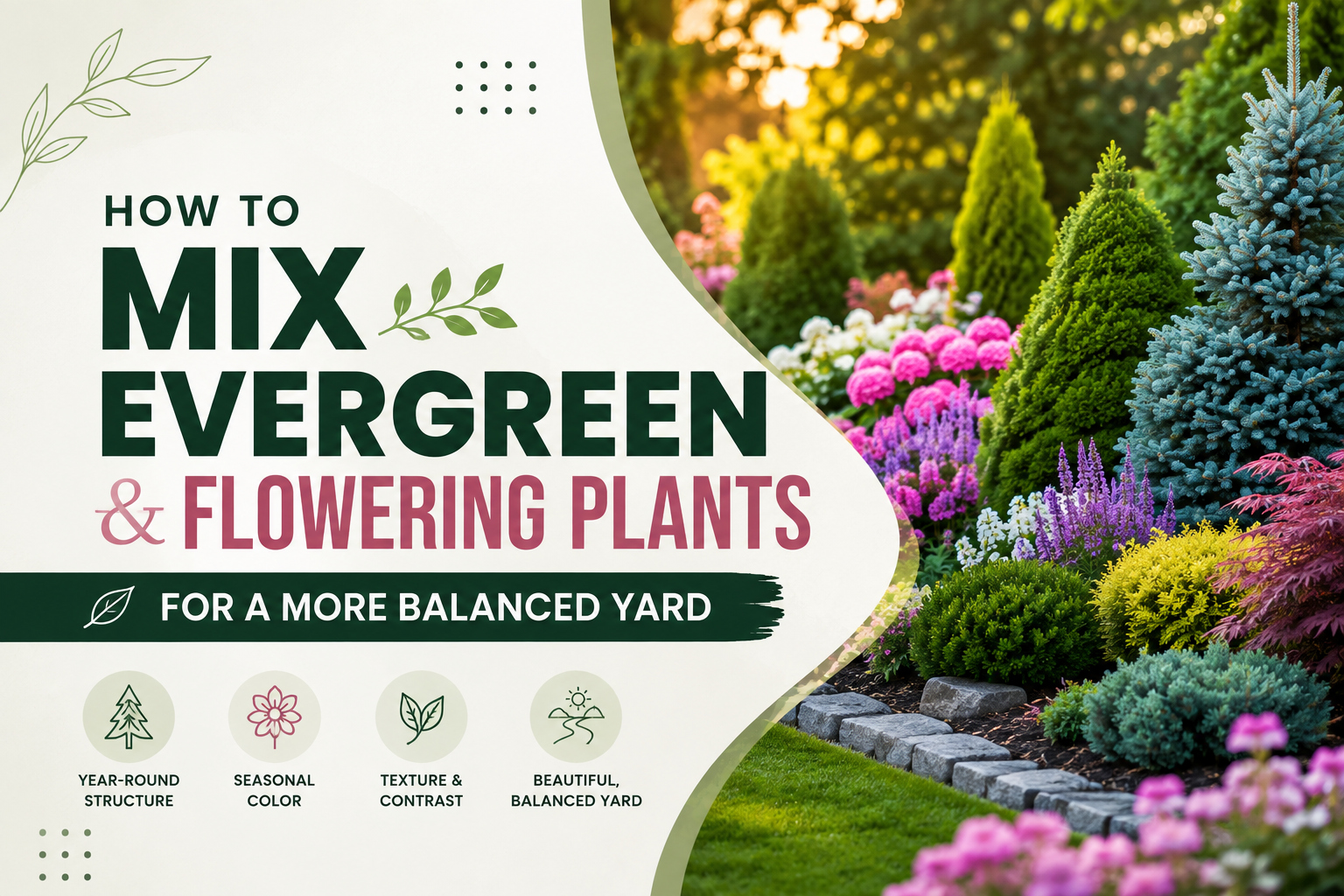
One of the most important steps in combining hardscape and plants is softening the transition between them. Straight lines and solid surfaces can appear too rigid when left exposed. Plants help break that rigidity and create a more natural transition. Instead of leaving a sharp edge between a patio and a garden bed, introduce layers of planting that gradually blend the two. Low-growing plants near the edge, followed by medium shrubs and taller elements behind them, create a smooth visual transition. This approach makes the design feel less mechanical and more integrated with nature.
Focus on transitions between materials
Transitions are often overlooked, yet they play a major role in how a design is perceived. Abrupt changes between materials can make a space feel disconnected, while gradual transitions create flow. For example, a stone patio can transition into a planting bed through a strip of gravel or mulch. A walkway can feel more natural when bordered with plants instead of ending abruptly against grass. These subtle details help the entire design feel more cohesive.
Create depth through plant layering
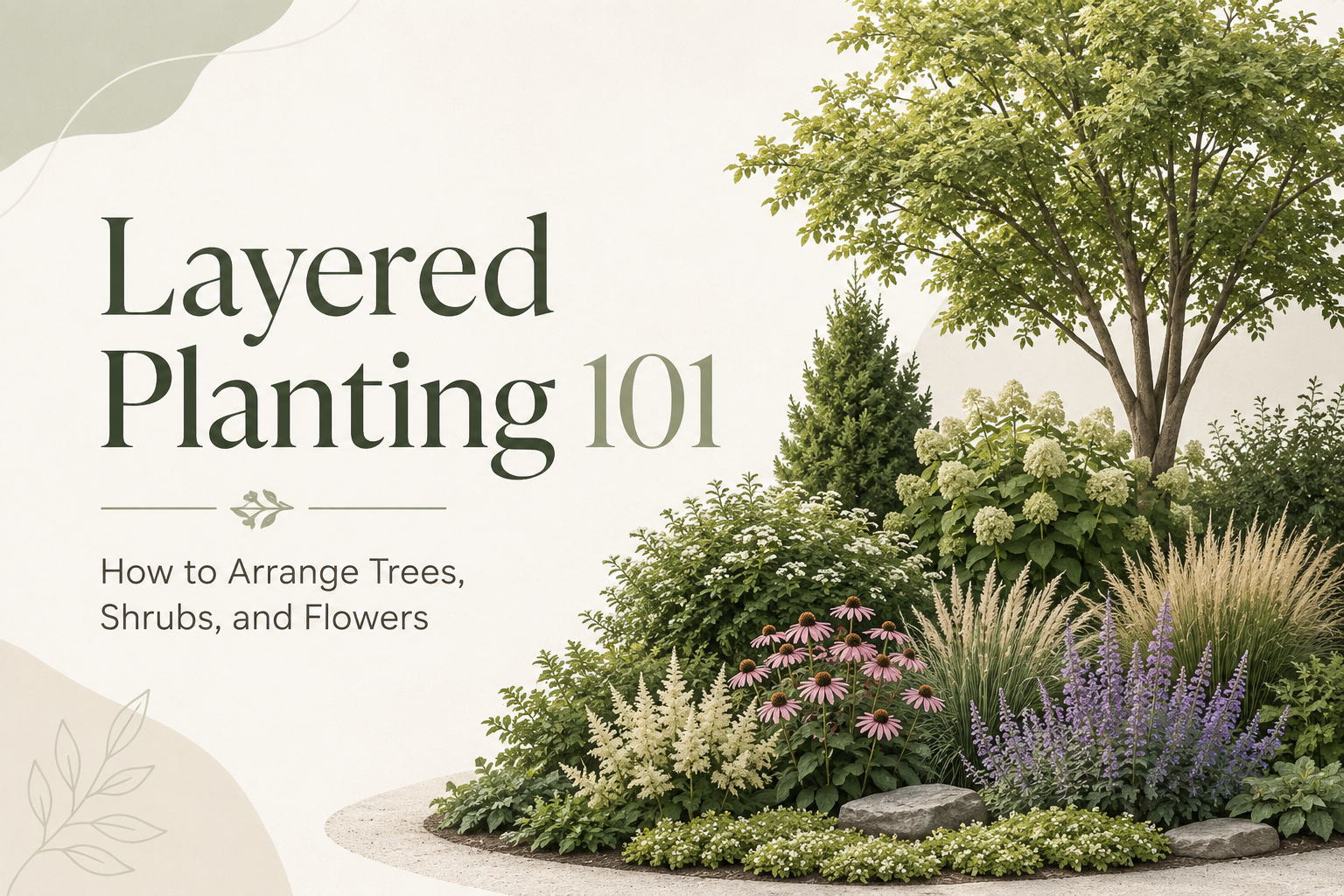
Depth is what separates a basic landscape from one that feels professionally designed. Flat planting arrangements tend to look simple and unfinished, while layered planting creates visual interest and richness. A good approach is to arrange plants in tiers, starting with low groundcovers or small flowers near hardscape edges, followed by medium-sized shrubs, and then taller plants or trees in the background. This layering not only improves appearance but also helps guide the eye through the space.
Maintain balance between open space and planting
A well-balanced landscape always includes a mix of open and planted areas. Too much hardscape can make the yard feel cold and uninviting, while too many plants can make it feel cluttered and difficult to use. Open space allows for movement and functionality, while planting areas provide softness and visual appeal. The goal is to let each element complement the other. For example, a patio should remain open enough for comfortable seating, while plants around its edges can frame the space without crowding it.
Use repetition to unify the design
Consistency is what makes a landscape feel intentional rather than random. Repeating certain plants, materials, and colors throughout the yard creates a sense of unity. Instead of using many different plant types, choose a few that work well together and repeat them in different areas. The same applies to hardscape materials. Using one or two consistent materials across patios, walkways, and borders helps tie everything together. This repetition creates rhythm and makes the design feel more polished.
Match plant style with hardscape design
The style of planting should support the style of the hardscape. A modern patio with clean lines pairs well with structured plants such as boxwood or ornamental grasses. A more natural stone layout works better with softer, flowing plants and mixed greenery. When the styles match, the entire space feels cohesive. When they clash, the design can feel disjointed even if each element looks good on its own.
Plan for growth and long-term maintenance
One of the most common mistakes is designing for how plants look at the time of planting rather than how they will grow over time. Plants that are too close together can quickly overcrowd the space, while poorly chosen varieties may require constant trimming. It is important to consider mature plant size, growth patterns, and maintenance needs. Choosing low-maintenance plants and giving them enough space ensures that the balance between hardscape and plants remains intact as the landscape matures.
Integrate lighting into the design
Lighting should be considered part of the design, not an afterthought. It enhances both hardscape and plants, making the space usable and visually appealing after sunset. Pathway lighting improves safety and guides movement, while uplighting highlights trees and architectural plants. Soft lighting around seating areas creates a warm and inviting atmosphere. When done correctly, lighting adds another layer of depth and brings the entire design together.
Use plants to solve functional problems
Plants can play a practical role beyond aesthetics. They can provide privacy, reduce noise, block unwanted views, and even improve drainage in certain areas. For example, dense shrubs can create a natural screen around a patio, while strategically placed trees can provide shade during hot months. Using plants in this way makes them an essential part of the design rather than just decorative additions.
Plan Your Design With the Right Tools
One of the smartest ways to get the balance right is to plan everything before you start building. Instead of guessing layouts or making changes later, you can use a landscape design app or garden design app to visualize your ideas in advance. Tools like iScape landscape design make this process much easier by allowing you to see how different elements will actually look in your space. Instead of relying on imagination, you can test layouts and make better decisions with more confidence. With iScape, you can:
- Test patio and walkway placement
- Visualize plant arrangements in real space
- Adjust spacing, layout, and proportions easily
- See how hardscape and plants work together before installation
This kind of planning helps you avoid costly mistakes and saves time during execution. It also ensures that your design feels balanced, functional, and well thought out before any physical work begins.
Common mistakes to avoid
Here are mistakes that often ruin the balance:
- Too much hardscape with no greenery
- Overplanting without structure
- Ignoring spacing and growth
- Using too many materials
- Poor transitions between surfaces and plants
- Not planning for drainage or sunlight
Fixing these early leads to a much better result.
Final thoughts
Combining hardscape and plants successfully is not about adding more elements. It is about creating harmony between structure and nature. A well-balanced design starts with a clear layout, uses hardscape to define space, and relies on plants to soften and enhance that structure. When each element supports the other, the result feels natural, comfortable, and complete. By focusing on balance, consistency, and thoughtful planning, you can create an outdoor space that not only looks better but also works better for everyday use. Download iScape on the App Store or Google Play Store today and start designing today. Try a free trial today at iScape!