Spring is a great time to refresh your yard, but gardening can feel confusing when you are just getting started. There are many questions beginners face. Which plants should you choose? Where should you place them? How often should you water? How do you make the yard look clean without spending too much?
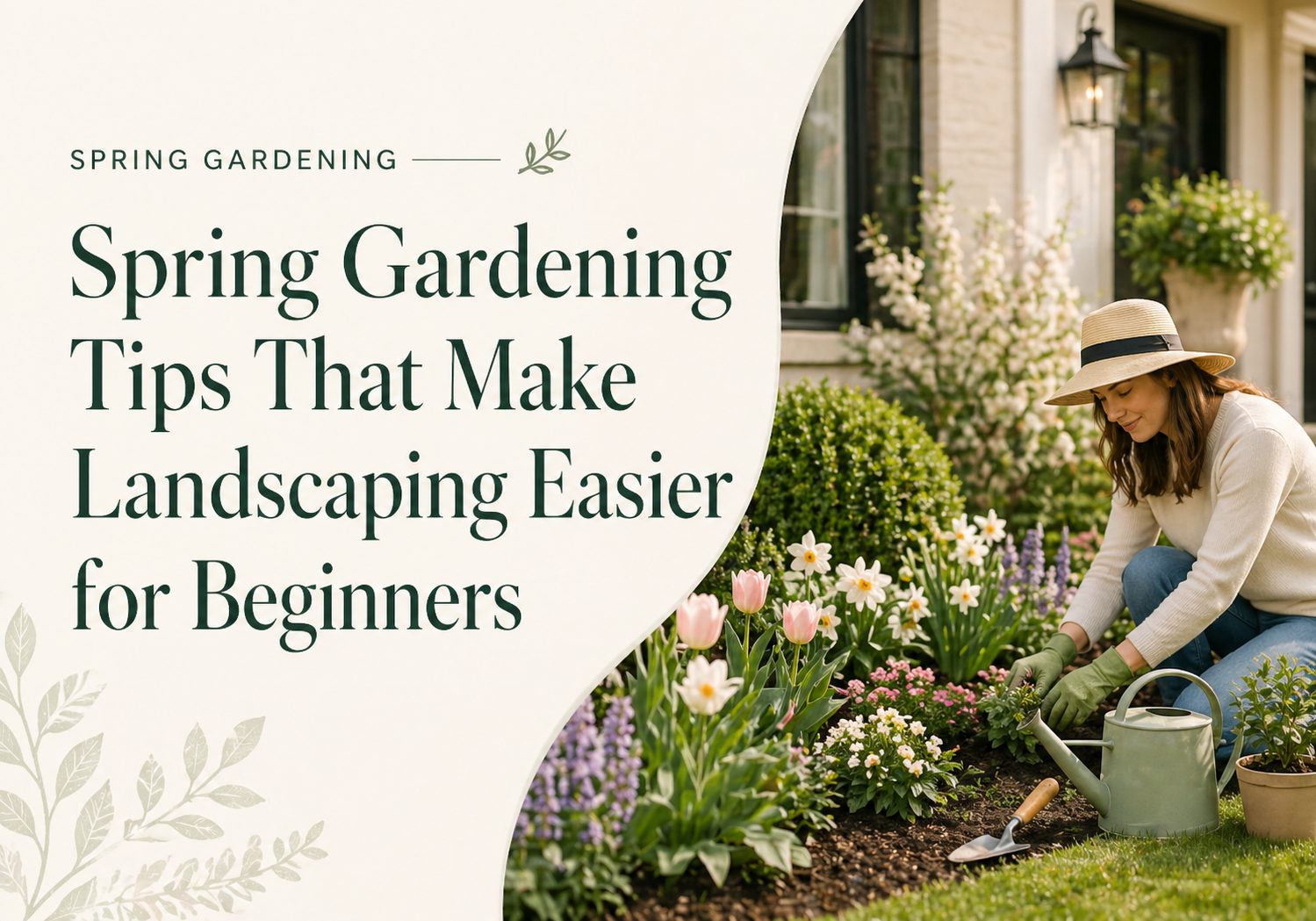
The best approach is to start with the basics. Learn how your yard works, prepare the soil, choose plants that fit the space, and build your landscape one section at a time. You do not need a full yard makeover in one season. A small, well-planned garden can make a big difference. This guide shares practical spring gardening tips that help beginners create a cleaner, healthier, and more manageable landscape.
Understand your yard before buying plants
Before you buy flowers, shrubs, mulch, or garden tools, spend some time looking at your yard. Every yard has different sunlight, shade, soil, drainage, and space. These things decide which plants will grow well. Walk around your yard at different times of the day. Notice which areas get morning sun, afternoon sun, full shade, or filtered light. A plant that needs full sun may not bloom well in a shady corner. A shade plant may burn if it gets strong afternoon sun. Also look at how water moves through the yard. Some spots may stay wet after rain. Others may dry out quickly. Wet areas need plants that can handle moisture. Dry areas need plants that can tolerate less water. This step helps you avoid one of the most common beginner mistakes: choosing plants based only on how they look at the garden center.
Start with one area, not the full yard
A complete landscape project can feel exciting, but it can also become expensive and stressful. If you are new to gardening, start with one small section. Good places to begin include a front flower bed, a walkway border, a patio corner, a mailbox area, or a few containers near the entrance. These spaces are small enough to handle but visible enough to improve the overall look of your home. Starting small also helps you learn. You will understand how often plants need water, how quickly weeds grow, and how much maintenance you can manage. Once the first section looks good, you can move to another part of the yard.
Clean the space before planting
Spring cleanup gives your garden a fresh base. Remove dead leaves, broken branches, weeds, old annual plants, and winter debris. Cut back dead or damaged growth from existing plants, but avoid heavy pruning unless you know the plant can handle it. Clean edges also matter. A flower bed with neat edges looks more organized, even before new plants are added. Trim grass along walkways, driveways, patios, and garden beds. This simple step can make the whole yard look more polished. If you already have mulch, check whether it is thin, faded, or packed down. Loosen compacted mulch and remove weeds before adding a fresh layer.
Improve the soil first
Healthy soil is the base of a strong garden. Many beginners spend most of their budget on plants, but plants will struggle if the soil is poor. Check the texture of your soil. If it feels very hard, roots may have trouble spreading. If it is too sandy, water may drain too fast. If it is sticky and heavy, water may sit around the roots for too long.
A simple way to improve most garden beds is to add compost. Compost improves soil structure, helps the ground hold moisture, and adds nutrients slowly. Loosen the top few inches of soil and mix in compost before planting. You do not need to make this complicated. Better soil gives new plants a stronger start and reduces problems later in the season.
Choose plants that match your space
The right plant in the right place will always perform better than a beautiful plant placed in the wrong conditions. Before buying any plant, check its sunlight needs, water needs, mature size, and care level. A small plant in a pot may grow much wider and taller over time. If you ignore mature size, the bed can become crowded within a season or two.
For beginners, reliable choices include marigolds, zinnias, petunias, daylilies, coneflowers, black-eyed Susans, hostas, lavender, ornamental grasses, and many native plants. These plants are popular because they are usually more forgiving and do not need constant attention. Native plants are especially useful because they are suited to local weather and soil. They also support bees, butterflies, and birds.
Use plant height to create a better layout
A garden looks more planned when plants are arranged by height. Place taller plants toward the back of a bed, medium plants in the middle, and shorter plants near the front. If the bed can be seen from all sides, place taller plants in the center and lower plants around the edge. This keeps the design balanced and prevents smaller plants from being hidden. This simple layout rule gives the garden depth. It also helps the bed look full without feeling messy.
Leave enough space between plants
New plants often look small when you first place them in the ground. Because of this, many beginners plant them too close together. The bed may look full at first, but crowding creates problems later. Plants need space for roots, airflow, and future growth. When they are packed too tightly, they compete for water and nutrients. Crowded plants may also become more prone to disease.
Always check the plant label for mature size. If a plant is expected to grow two feet wide, give it room to reach that size. If the bed looks empty in the beginning, use annual flowers to fill the gaps for the season. Annuals give quick color without creating long-term crowding.
Add mulch after planting
Mulch is one of the best tools for beginners because it reduces maintenance and improves the look of garden beds.
A good layer of mulch helps hold soil moisture, limits weed growth, protects roots, and gives the bed a finished appearance. Apply about two to three inches around plants, but keep mulch away from stems and trunks.
Do not pile mulch like a mound around plants or trees. Too much mulch near the base can trap moisture and cause rot. Use shredded bark, wood chips, pine straw, leaf mulch, or composted mulch depending on the look you want and what works well in your area.
Water deeply instead of lightly
Watering can be confusing for new gardeners. A quick daily sprinkle is not always helpful because it only wets the top layer of soil. Plants need moisture deeper down where the roots are growing. Water deeply when the soil feels dry. This encourages roots to grow down into the ground, making plants stronger during warm weather. New plants need more attention during the first few weeks because their roots are still settling in. Once established, many plants need less frequent watering. Morning is usually the best time to water. It gives plants moisture before the heat of the day and allows leaves to dry before evening.
Group plants with similar needs
A garden is much simpler to care for when plants with similar needs are placed together. For example, lavender and ornamental grasses usually prefer sunny, drier areas. Hostas and ferns prefer cooler, shaded spaces. If you mix plants with opposite needs, one group may suffer. Group plants by sunlight, water needs, soil preference, and maintenance level. This helps you water correctly and keeps the garden healthier. It also saves time because you are not trying to care for every plant in a different way.
Do not depend only on flowers
Flowers bring color, but they should not be the only part of your landscape. Many flowers bloom for a short time. Once they fade, the garden can look empty if there is no structure. Add plants that provide shape, texture, or greenery even when they are not blooming. Small shrubs, evergreen plants, ornamental grasses, ground covers, and foliage plants can help the yard look good for more of the year. A strong beginner garden usually includes a mix of flowers, shrubs, foliage, mulch, and open space. This creates a more complete look.
Use containers for flexible gardening
Containers are a great choice if you are unsure where to start. They work well near doors, patios, steps, balconies, and empty corners. Pots allow you to test colors, plant combinations, and placement without changing the whole yard. They are also useful if your soil is poor or if you have limited garden space.
Always choose containers with drainage holes. Without drainage, water can collect at the bottom and damage the roots. Use potting mix instead of garden soil because potting mix drains better in pots. You can grow herbs, seasonal flowers, small shrubs, and decorative plants in containers.
Plan before you dig
Many beginner landscaping mistakes happen because there is no clear plan. Plants are placed randomly, beds become crowded, or the final result does not match what the homeowner imagined. Before digging, decide what you want the space to do. Do you want more color near the entrance? More privacy near the patio? A cleaner walkway border? A low-maintenance flower bed?
This is where a landscape design app like iScape can help. You can test plant placement, flower beds, walkways, shrubs, and hardscape ideas visually before buying materials. It helps you see how your yard could look and reduces guesswork. For beginners, this is useful because you can compare design ideas before spending money on plants, mulch, stone, edging, or outdoor features.
Keep a simple spring routine
A garden stays in better shape when you care for it in small steps. You do not need to spend hours outside every day. Check soil moisture a few times a week. Pull weeds while they are small. Remove dead flowers when needed. Watch for yellow leaves, pests, or signs of stress. Refresh mulch if it becomes thin. Trim broken or dead growth when you see it. Small weekly tasks prevent bigger problems. They also help you understand how your plants respond to weather, watering, and sunlight.
Avoid common beginner mistakes
Spring gardening becomes more manageable when you know what to avoid.
Do not plant too early if there is still a risk of frost. Do not buy plants only because they look pretty at the store. Do not use too much fertilizer. Do not water without checking the soil first. Do not plant too close together. Do not start five projects at the same time. A simple and thoughtful garden will usually look better than a crowded garden with too many plants and no clear plan.
Build your landscape in stages
You do not need to finish the whole yard in one season. A good landscape can grow over time.
Start with cleanup and soil improvement. Then add the main plants that give structure. After that, bring in flowers for color. Later, you can add edging, paths, lighting, seating, or hardscape features. This approach helps you control your budget and make better choices. It also gives you time to learn what works in your yard.
Final thoughts
Spring gardening becomes much more manageable when you start with a clear plan. Understand your yard, prepare the soil, choose the right plants, leave enough spacing, and care for the garden in small steps. For beginners, the goal is not to create a perfect landscape in one weekend. The goal is to build a yard that looks clean, grows well, and fits your lifestyle.
Before buying plants or starting a project, you can use iScape to plan your layout visually. It helps you test ideas, compare designs, and avoid costly mistakes before you begin planting. Start creating a yard plan you can actually see, adjust, and build with confidence. Download iScape on the App Store or Google Play Store today and start designing. Try a free trial today at iScape!
FAQs
What should a beginner plant first in spring?
Start with easy plants such as marigolds, zinnias, petunias, daylilies, hostas, lavender, or native plants. Choose plants based on your yard’s sunlight and soil conditions.
When should I start spring gardening?
You can start cleanup early in spring, but wait to plant tender flowers and vegetables until the risk of frost has passed in your area.
How often should I water new spring plants?
New plants usually need regular watering for the first few weeks. Check the soil first. If the top inch feels dry, water deeply.
How do I make my garden look full without too many plants?
Use layers. Place taller plants in the back, medium plants in the middle, and low plants in the front. Add mulch and a few annual flowers to fill gaps.
Is mulch necessary for spring gardening?
Mulch is very helpful. It keeps soil moisture, reduces weeds, protects roots, and gives garden beds a clean, finished look.