Spring is when most gardens start to feel alive again, but the best plant choices depend on timing as much as beauty. A plant that thrives in coastal California may struggle in Minnesota, and a flower that looks great in April can stall out if it goes into cold soil too early. That is why the smartest spring garden plans start with your USDA hardiness zone, your last spring frost date, and the amount of sun your planting area gets.
If your goal is a garden that looks fresh, full, and colorful from spring into summer, the easiest approach is to combine early cool-season flowers with warm-season bloomers and a few dependable perennials. That mix gives you color right away, keeps beds from looking empty later, and makes the garden feel layered instead of temporary.
Before You Plant Anything, Check These Three Things
The first thing to know is that hardiness zone and planting date are not the same thing. The USDA Plant Hardiness Zone Map tells you how cold your winters get on average, which helps with perennial survival. Your last spring frost date helps you decide when it is safe to plant tender annuals and warm-season flowers outdoors. Both matter, but they solve different problems.
Second, pay attention to soil temperature and not just the calendar. Many tender annuals do poorly when planted into cold spring soil, even if garden centers are already full of flowers. It is best to wait until frost danger has passed and the soil has warmed before setting out tender annuals such as zinnias, marigolds, salvia, begonias, vinca, and impatiens.
Third, match the plant to the site. Most flowering annuals need a good amount of sun to bloom well, while shade plants such as impatiens perform better with part shade or full shade. Good drainage also matters because many spring losses happen from wet, cold soil rather than lack of fertilizer.
A Quick Note About Spring Bulbs
Many people think of tulips, daffodils, crocus, and hyacinths as classic spring flowers, and they are. But most spring-blooming bulbs are planted in fall, not spring, because they need time and cold conditions to establish before blooming. So if you want instant spring color this year, focus on annuals, perennials, and tender bulbs planted at the right time rather than waiting on tulips to solve the whole season.
Best Cool-Season Flowers for Early Spring Color
Pansies
Pansies are one of the best early spring choices because they handle chilly weather well and can even tolerate frost. They perform best in the mild temperature range that makes many other flowers hesitate, which is why they are such a reliable option for porch pots, front beds, and entry borders in early spring. If you want fast color before summer flowers go in, pansies are hard to beat.
Snapdragons
Snapdragons are another strong cool-season choice. They bring vertical shape to beds, work well in mixed borders, and tolerate the cooler part of spring better than heat-loving flowers. They are especially useful if you want a garden that looks structured and not just colorful, because their upright flower spikes add height between mounding plants.
Sweet Alyssum and Dianthus
If you want a softer look, sweet alyssum and dianthus are great companions for pansies and snapdragons. They handle cool spring weather, fit neatly along edges, and help fill gaps where larger plants still need time to grow in. Alyssum is especially useful in borders and containers where you want a low, spreading layer of bloom.
Want your spring garden to look balanced and colorful without the guesswork? Use iScape to visualize ideas on your own property and plan with more confidence before you start buying plants.
Download iScape on the App Store or Google Play Store today and start designing today!
Best Warm-Season Flowers to Plant After Frost
Petunias
Once the danger of frost has passed, petunias become one of the most dependable choices for long-lasting garden color. They work in beds, hanging baskets, window boxes, and containers, and they fit almost every garden style, from cottage-inspired plantings to cleaner, more modern layouts. Petunias also respond well to regular care, which helps keep them blooming for a long stretch.
Marigolds
Marigolds are easy to grow, bright, and dependable in sunny gardens once the weather warms. They are one of the classic warm-season annuals and are especially good if you want bold gold, yellow, or orange color that stands out from a distance. They also fit well in low-maintenance planting plans because they establish quickly and handle heat better than many spring flowers.
Zinnias
Zinnias are a great pick if you want a colorful garden that keeps getting stronger as spring turns into summer. They are popular because they grow fast, flower heavily, and bring strong color to sunny beds and cutting gardens. They are one of the easiest ways to make a new garden look lively without a lot of fuss.
Best Plants for Shade and Part Shade
Impatiens
If your garden gets filtered light, morning sun, or mostly shade, impatiens are still one of the best spring choices for reliable color. Standard impatiens do best in part shade to full shade, while New Guinea types can take more light. The key is not to rush planting. They should go outdoors only after soils have warmed, because they do not enjoy chilly spring conditions.
Coral Bells
Coral bells bring a different kind of beauty to spring gardens because they add colorful foliage as well as flowers. Depending on the variety, you can get purple, red, silver, lime, or variegated leaves, which makes them useful even when nearby bloomers are between cycles. In many gardens, they do best in part sun or part shade with well-drained soil.
Best Perennials for Lasting Spring-to-Summer Interest
Creeping Phlox
Creeping phlox is one of the best perennials for a true spring show. It forms a low carpet of color in early spring and works especially well on slopes, along walls, near paths, and at the front of beds. If you want that classic spring look with sheets of pink, lavender, rose, or white, this is one of the strongest choices for sunny spots with well-drained soil.
Coreopsis
Coreopsis is a smart pick for gardeners who want bright color without a high-maintenance routine. It handles well-drained soil, performs well in full sun, and has good drought tolerance once established. That makes it useful in sunny borders where you want cheerful yellow blooms and a plant that does not need constant attention.
Black-Eyed Susan
Black-eyed Susan is another dependable perennial for a colorful garden, especially if you want something easy to grow that can handle summer heat after getting established in spring. It generally does best in full sun to part sun, tolerates a range of soils as long as they are not soggy, and offers that strong yellow-and-dark-center look that brightens beds from summer into fall.
A Simple Planting Strategy That Works in Most Gardens
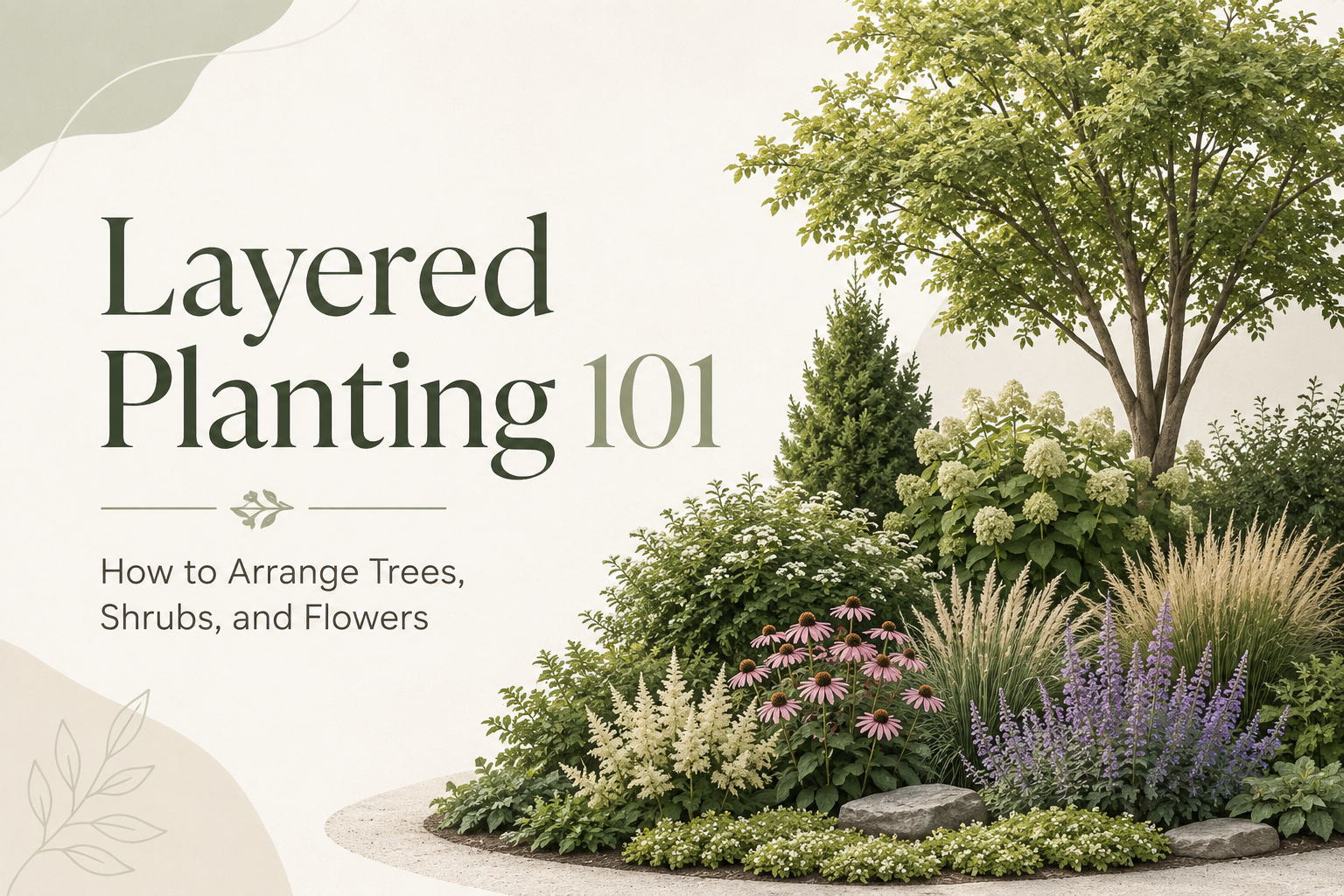
A practical spring garden often looks best when you plant in waves. Start with cool-season flowers such as pansies, snapdragons, alyssum, and dianthus for immediate spring color. After your local frost risk has passed and the soil has warmed, add warm-season flowers such as petunias, marigolds, zinnias, salvia, and impatiens. Then anchor the whole garden with a few perennials such as creeping phlox, coral bells, coreopsis, and black-eyed Susan so the bed has structure beyond one season.
That approach works because it follows how spring really behaves in many regions. Early spring is cool and changeable, late spring is warmer but still unpredictable in some places, and summer arrives faster than many new gardeners expect. When your plant choices match that rhythm, the garden looks fuller and performs better.
How iScape Can Help You Plan a Spring Garden
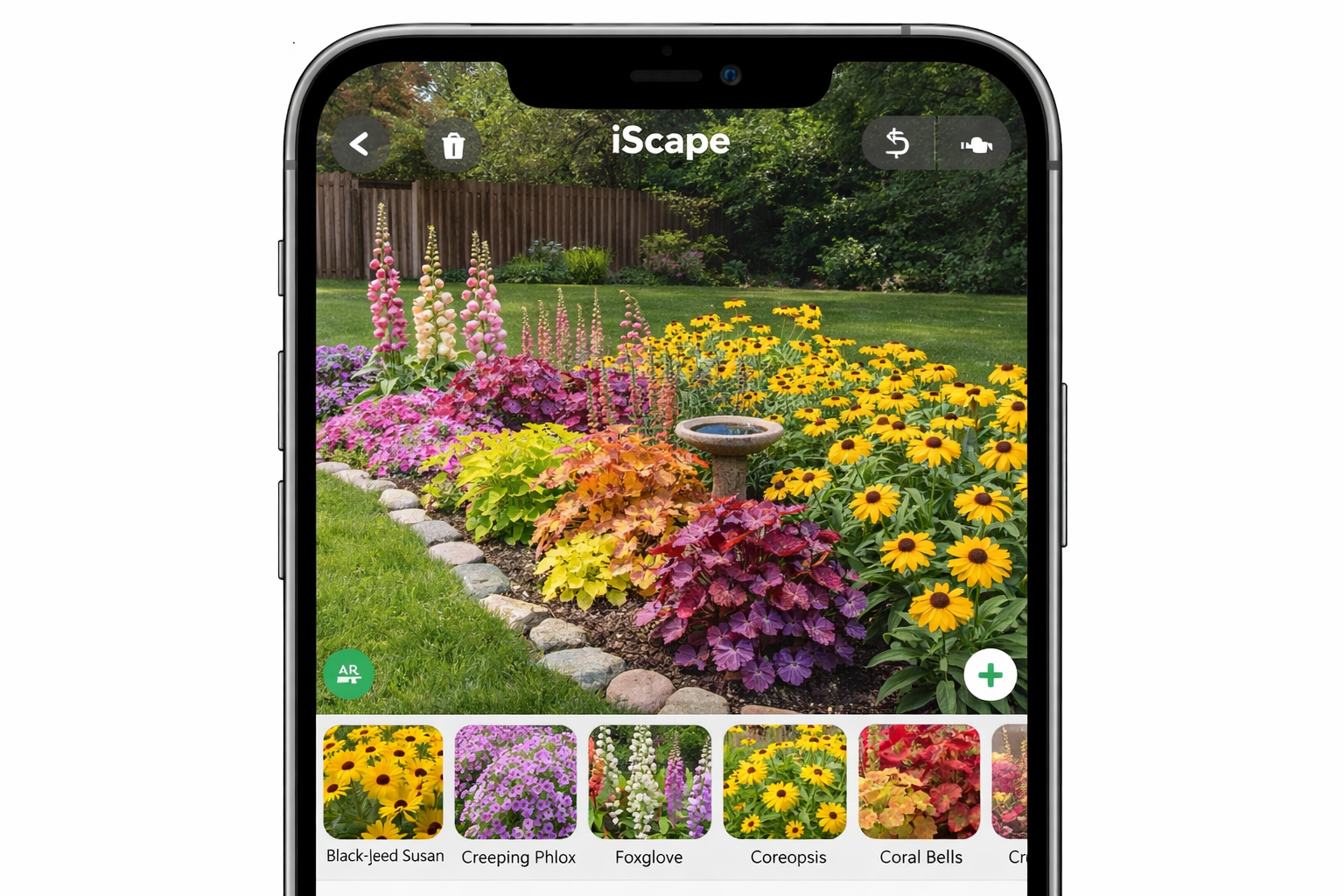
If you are not sure which spring plants will look best together, iScape can make the planning process easier. The app lets users visualize outdoor ideas on their own property before planting, which is especially helpful when you are trying to combine flower color, plant height, and bed layout in a way that feels balanced. iScape also offers access to plant and hardscape libraries, and its paid plans include features such as image uploads and proposal tools.
For a spring garden, that means you can test how bright annuals, flowering perennials, edging plants, and focal shrubs may look together before spending money at the garden center. Instead of guessing whether your garden will feel too crowded, too flat, or too uneven in color, you can build a clearer visual plan first and make better decisions for your yard.
Download iScape on the App Store or Google Play Store today and start designing today!
Final Thoughts
The best plants to grow in spring are not just the prettiest ones at the garden center. They are the ones that fit your zone, your frost timing, your sunlight, and the kind of upkeep you can realistically manage. A mix of pansies, snapdragons, petunias, marigolds, zinnias, salvia, impatiens, creeping phlox, coral bells, coreopsis, and black-eyed Susan gives you a strong balance of fresh spring color and season-long interest.
If you build the garden in layers and plant at the right time, spring does not have to be a short burst of color. It can be the start of a garden that stays lively for months.
Planning a fresh spring garden is easier when you can see the layout before you plant. Try iScape to explore color combinations, test plant placement, and create a garden that feels more polished from the beginning.
Download iScape on the App Store or Google Play Store today and start designing today!