Traditional Landscape Planning vs Visual Design Apps: What Gets Approved Faster?
January 13, 2026

Getting a landscape project approved can feel harder than designing it. Many homeowners assume approvals are delayed because the idea is “too big,” but most delays happen for simpler reasons: the submission is unclear, missing details, or reviewers cannot easily visualize what will change. When reviewers cannot picture the outcome, they ask questions, request revisions, or deny the request until you provide better documentation.
In 2026, the fastest approvals usually go to the homeowner who submits the clearest package, not the homeowner with the most expensive plan. That is where visual design apps can make a real difference, especially for HOA and committee style approvals, and also for contractor alignment before permits.
This article explains what typically gets approved faster and how to combine traditional planning with visual tools like iScape for the best results.
What “Approval” Actually Means in Landscape Projects
Landscape approvals generally fall into two buckets, and the faster approach depends on which one you are dealing with.
1) HOA or Architectural Review Committee approval
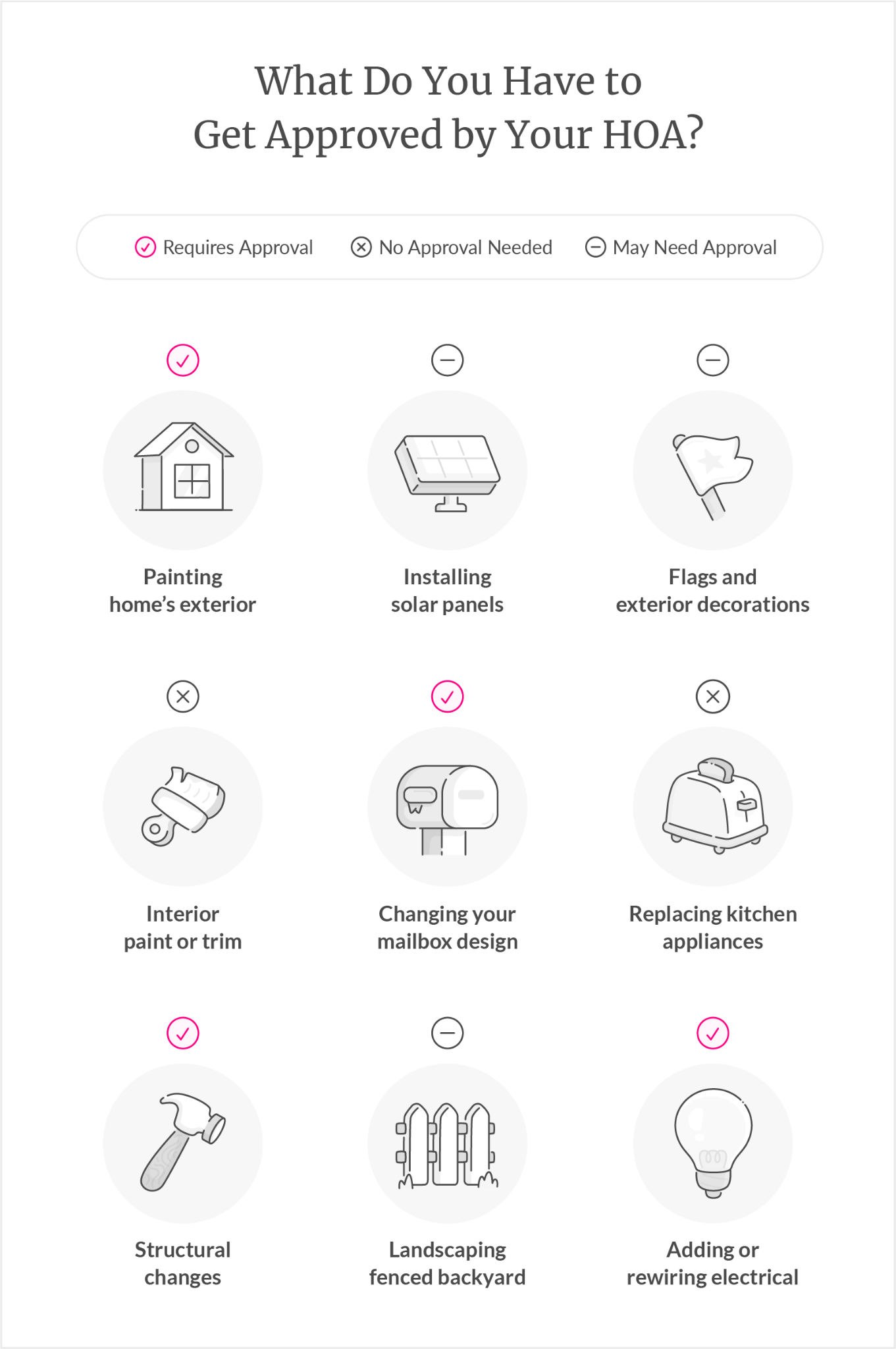
This is common in planned communities. You submit a request for changes like hardscaping, fences, trees, lighting, or front yard redesign. These reviews tend to focus on appearance, community guidelines, materials, and visibility from the street. Many HOAs request drawings or renderings plus supporting documents such as surveys and material details.
2) City or county permit review
Not every landscape project needs a permit, but some do, especially when grading, drainage, retaining walls, irrigation, or larger site work is involved. Local requirements can be technical and may ask for plan sets, site plans, and related documents rather than simple visuals.
Because these two processes evaluate different things, the method that gets approved faster also differs.
Traditional Landscape Planning: Where It Wins and Where It Slows Down
Traditional landscape planning usually means measured sketches, site plans, notes, and sometimes professional drawings. This approach can be very effective for technical compliance because it captures dimensions, property boundaries, and construction details.
Why traditional planning can get approved faster
Traditional plans often perform well for permits and compliance reviews because they speak the reviewer’s language. If the city needs clear measurements, drainage direction, setbacks, or sheet formats, a properly prepared plan can move smoothly.
Why it can also slow approval
Traditional plans can still get stuck, especially with HOAs and non technical reviewers, because line drawings do not always communicate the final look. When reviewers cannot visualize how the project affects curb appeal or neighborhood consistency, they ask for clarifications, alternate angles, or revisions. Incomplete submissions are also a common reason for denial or delay.
In short, traditional planning is strong for technical accuracy, but it is not always the fastest way to secure visual buy in.
Visual Design Apps: Why They Often Get Approved Faster
Visual design apps reduce approval friction because they make your plan obvious at a glance. When reviewers can see what you are proposing, they spend less time guessing, fewer questions come back to you, and the decision process becomes easier.
That advantage is well documented in broader approval workflows where 3D and visual renderings help stakeholders understand the impact of a design quickly, which reduces common roadblocks.
Where visual apps typically speed things up the most
Visual apps tend to accelerate HOA and committee approvals because these approvals are largely visual. When you can show “before and after” clearly, it reduces back and forth.
Visuals also help in contractor approvals and budgeting because crews can interpret the intent, and you can confirm the scope before anyone breaks ground.
Where visual apps alone are not enough
If a city permit requires technical plan sheets, grading and drainage information, or formal documentation, app visuals usually help but do not replace a compliant plan set. Permit reviewers often need measurements, references, and standardized documentation.
So, visual apps are often the fastest path to yes for HOA-style approvals, but they work best when paired with basic technical details when needed.
Why iScape Can Help You Get Approved Faster
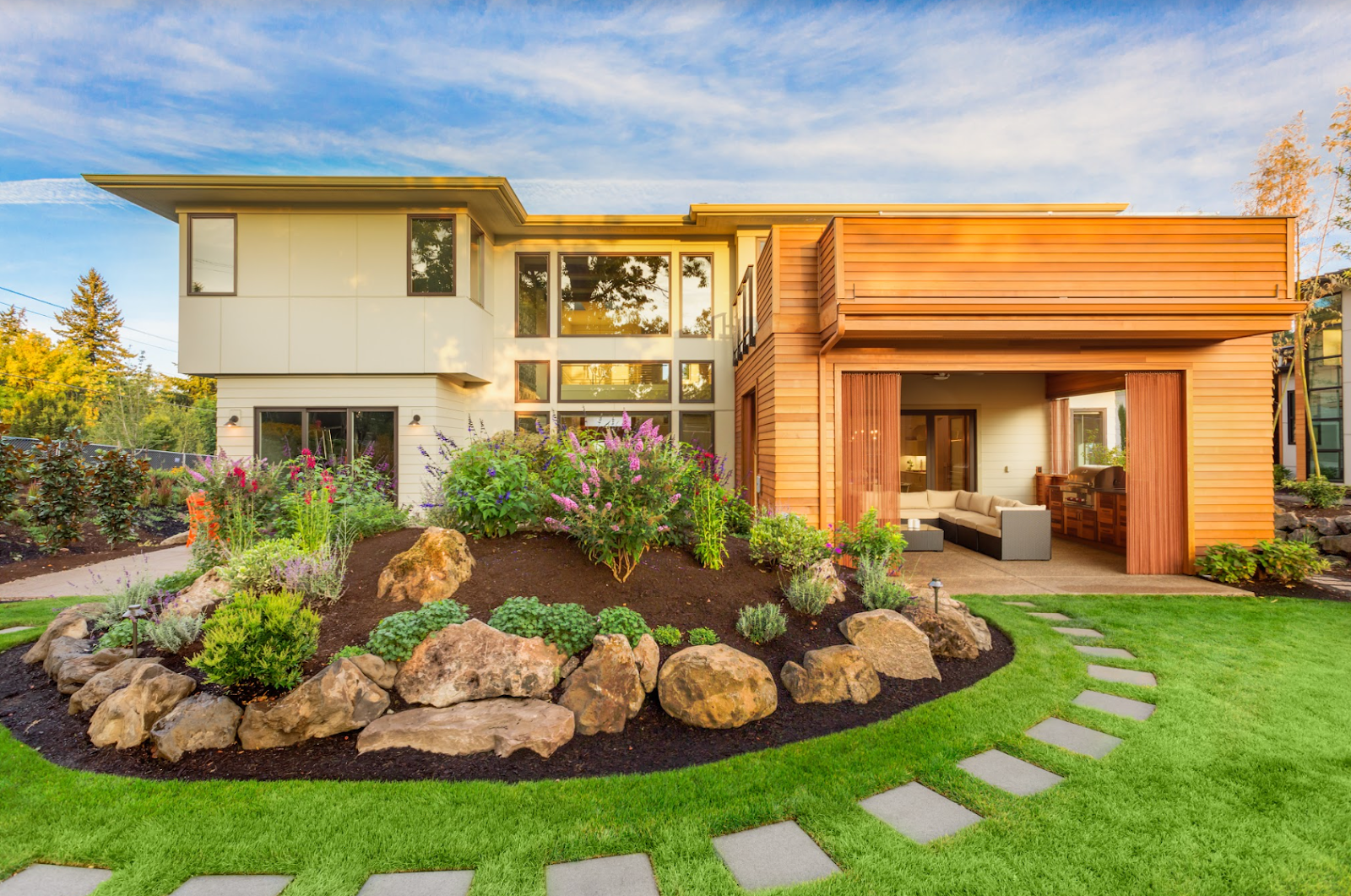
If you want visuals that feel real rather than conceptual, iScape is one of the most practical tools for homeowners because it lets you design using photos of your actual yard and visualize the outcome before building. iScape positions itself as a mobile landscaping visualization tool and highlights that it helps users visualize projects before spending time and money.
What makes iScape especially useful for approvals is that it is built around clarity and communication. When you can show reviewers a realistic view of the final result, it reduces ambiguity.
Helpful iScape features for approval packages include
- Photo-based design that shows changes in the context of your real property
- Augmented reality mode that overlays elements in a scaled, real-world view, which can help confirm fit and placement
- Shareable visuals that make it easier to align with contractors or HOA reviewers before work starts
If your approval is getting delayed because the reviewer “cannot picture it,” iScape style visuals are often the missing piece. Download iScape on the App Store or Google Play Store today and start designing your front yard now!
What Actually Gets Approved Faster in Real Life
Here is the practical answer.
HOA and Architectural Review Committees
Visual submissions usually get approved faster because the review is visual by nature and because many HOAs ask for drawings or renderings along with other documentation.
The fastest HOA approvals usually come from a package that includes
- A clear before and after visual or rendering
- Property survey markings and dimensions where required
- Material notes and photos of finishes
- Simple written scope describing exactly what changes
City permits and technical approvals
Traditional plans often get approved faster when permits are involved because the review needs measurements and compliance details. Visuals help, but they rarely replace the required documents.
The fastest permit approvals usually come from
- Accurate site plan and measurements
- Grading and drainage documentation if applicable
- Clear plant and irrigation details if required by the jurisdiction
The real winner
For most homeowners, the fastest path is a hybrid approach: use visual apps for clarity and buy in, then support the visuals with basic measurements and required documentation.
A Simple Approval Strategy That Reduces Delays
If you want approvals without endless revisions, build your submission like a reviewer would want to read it.
- Start with one page that shows the final visual clearly
Use a photo-based design or rendering that makes the project instantly understandable. Tools like iScape are strong here because they let you design on real yard photos. - Add a second page with key measurements and notes
Include property line distances, wall heights, fence lengths, and any setback-relevant details. If your HOA asks for a survey marked with measurements, include it. - Attach materials and product references
Include paver type, wall finish, lighting style, and plant list. Reviewers often reject incomplete applications, so completeness matters as much as design quality. - Keep your written scope short but specific
State what you are removing, what you are adding, and where it will be located. Clarity reduces follow-up questions.
Common Reasons Landscaping Requests Get Delayed
Most delays are predictable, which means they are avoidable. Approvals slow down when
- The submission is incomplete or missing required documentation
- The reviewer cannot visualize the final look, so they request more detail
- Measurements or property references are unclear, especially in HOA requests that require surveys and dimensions
- The design creates perceived conflicts with community guidelines or aesthetics
Visual design apps reduce the visualization problem, while traditional plans reduce the technical uncertainty. Combining both removes the top causes of delay.
Final Takeaway
If your “approval” is an HOA or architectural committee decision, visual design apps usually get approved faster because they reduce confusion and make the final result easy to understand. If your “approval” involves city permits or technical requirements, traditional planning often moves faster because it matches formal documentation standards. In both cases, the fastest and smoothest route for most homeowners is a hybrid approach that pairs a clear visual with the required measurements and supporting documents.
If you want your landscape plan approved faster, clarity is the key.
Download iScape on the App Store or Google Play Store to visualize your landscape on your actual yard photo and submit with confidence before you build anything.