Top 10 Front Yard Landscaping Ideas That Actually Increase Home Value
July 10, 2026
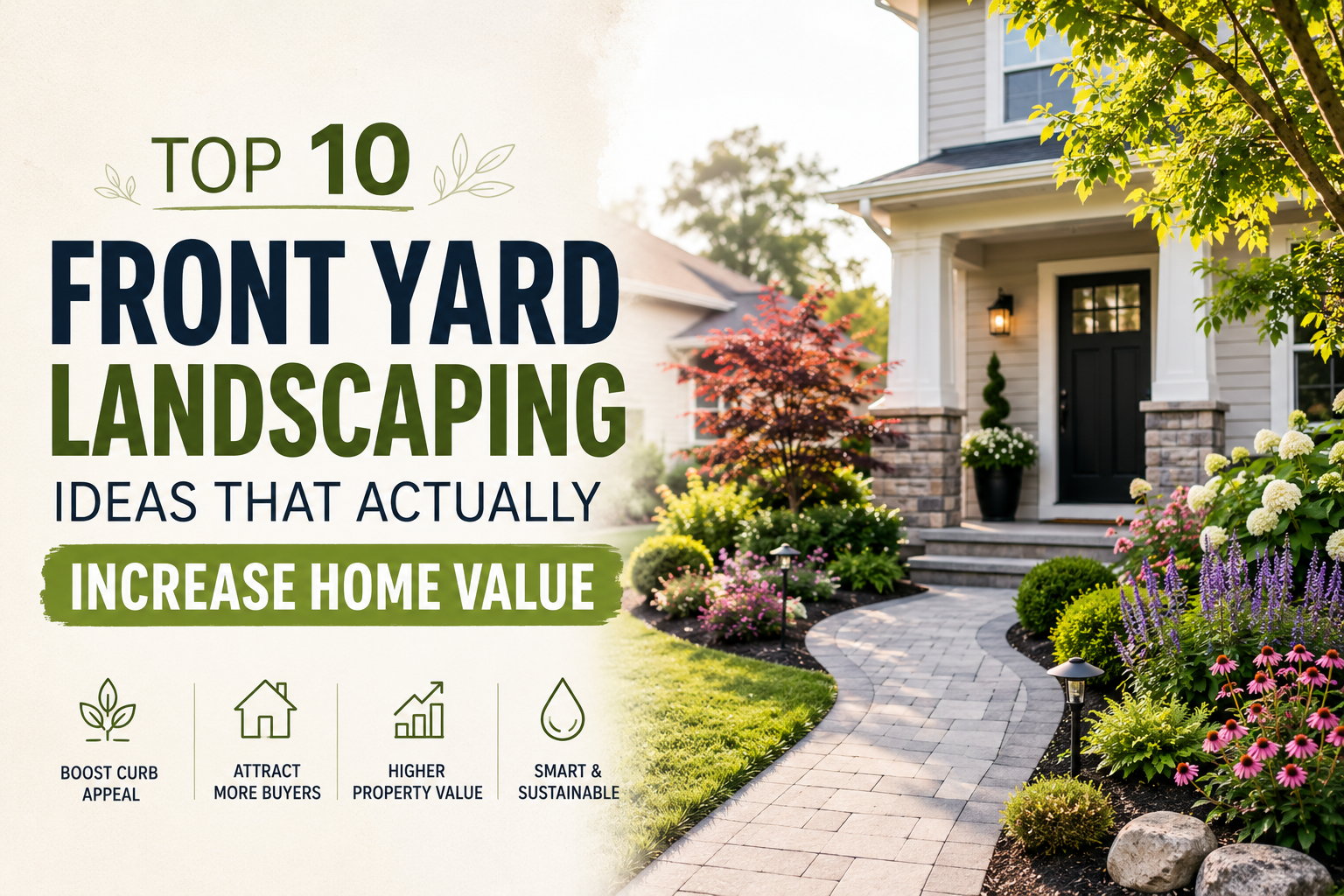
Your front yard is one of the first things potential buyers notice. Before they see the kitchen, bedrooms, or renovations inside, they have already formed an opinion based on the lawn, walkway, plants, driveway, and entrance.
A well-planned front yard can make a home appear more attractive, established, and properly maintained. According to the National Association of REALTORS® outdoor features report, 97% of real estate professionals believe curb appeal is important for attracting buyers, while 92% have recommended improving curb appeal before listing a property.
Research published by Virginia Tech also found that a well-designed landscape could increase a home’s perceived value by approximately 5.5% to 11.4%. These figures do not guarantee a specific appraisal increase, but they show how strongly landscaping can affect buyer perception.
The best front yard landscaping ideas are not necessarily the most expensive. Improvements that make the property look healthy, functional, welcoming, and easy to maintain usually provide the strongest value.
1. Repair and Improve the Lawn
A healthy lawn provides a clean background for the rest of the landscape. Patchy grass, visible weeds, bare soil, or damaged edges can make the entire property look neglected. Before replacing the lawn, identify why it is struggling. Common causes include:
- Compacted soil
- Poor irrigation coverage
- Excessive shade
- Incorrect mowing height
- Drainage problems
- Heavy foot traffic
- Grass varieties unsuitable for the climate
Many lawns can be restored through aeration, overseeding, weed removal, soil improvement, and better watering. Replacing the entire lawn should normally be considered only when the existing grass is severely damaged or unsuitable for the location. Where grass repeatedly fails because of deep shade, drought, or heavy traffic, replace that section with mulch, ground cover, ornamental grasses, or a wider planting bed.
Homeowners working with a limited budget can use these practical tips for planning a yard makeover without overspending. The guide explains how to prioritize visible problems and improve existing landscape elements before paying for major replacements.
Why It Can Increase Home Value
A healthy lawn suggests that the property has received regular maintenance. Buyers are less likely to assume they will need to spend money repairing the yard immediately after moving in.
2. Create a Clear Walkway to the Front Door
The front walkway should guide visitors naturally from the driveway or street to the main entrance. When the route is narrow, cracked, overgrown, unstable, or difficult to identify, the property can feel less inviting.
Useful walkway improvements include:
- Repairing cracks and uneven surfaces
- Widening an undersized path
- Replacing unstable stepping stones
- Trimming plants that block movement
- Adding a simple border
- Improving the connection between the driveway and entrance
- Installing lighting near steps and level changes
Choose materials that complement the architecture. Brick may suit a traditional home, while simple concrete slabs or large-format pavers may look better beside a modern property. Avoid combining too many unrelated colors and materials. A simple, consistent walkway usually creates a more polished appearance.
Why It Can Increase Home Value
A clear and attractive walkway improves safety, strengthens the entrance, and creates a better visual connection between the street and the house.
3. Use Layered Foundation Planting
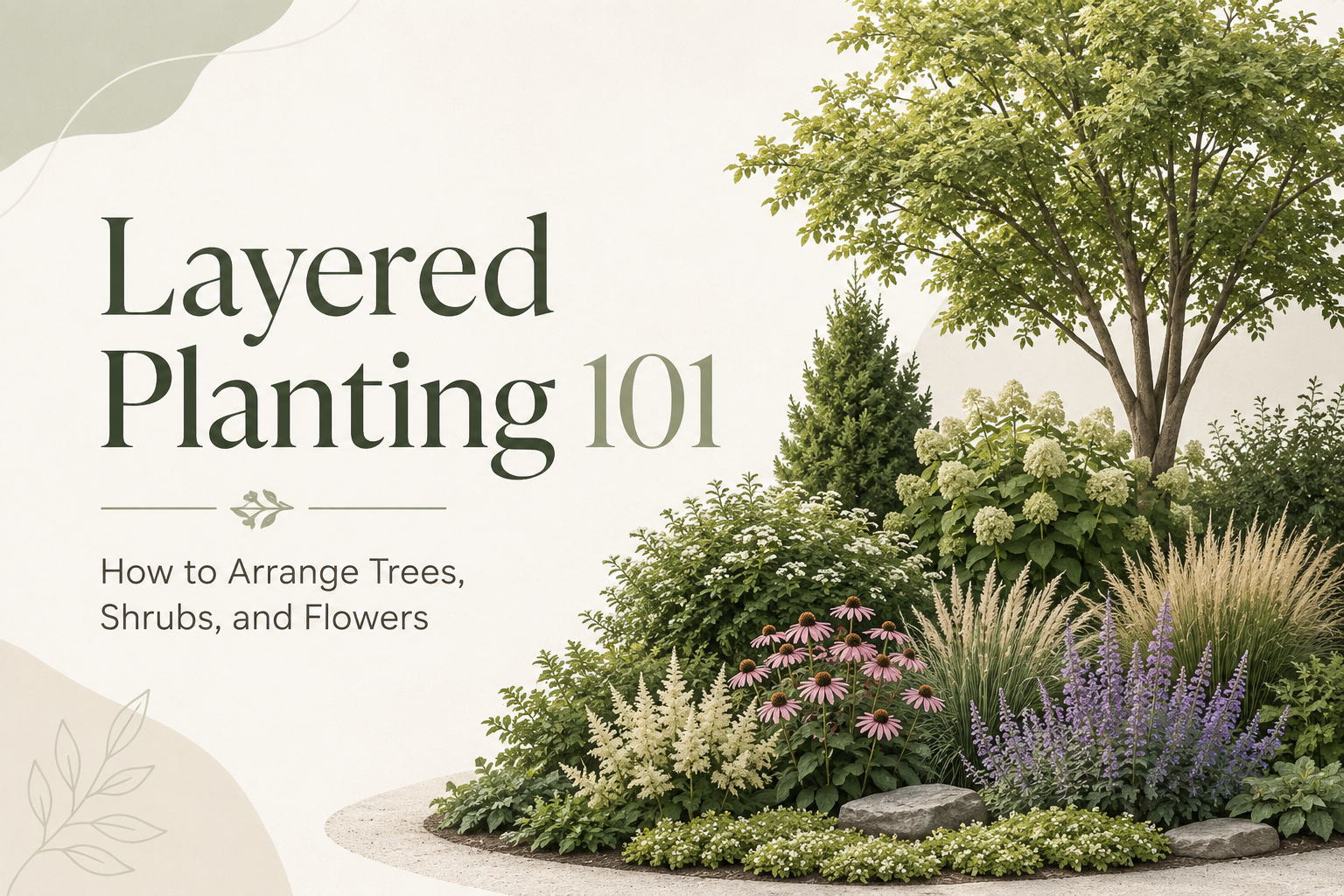
Foundation planting should soften the base of the house and connect the building with the surrounding yard. It should not hide windows, cover vents, trap moisture, or create a solid wall of shrubs. A balanced foundation bed may include:
- Taller shrubs or ornamental trees near appropriate corners
- Medium-sized shrubs through the middle
- Lower perennials and ground covers near the front
- Open space around windows, meters, vents, and walkways
Consider the mature size of every plant. A shrub that looks small at the garden center may eventually grow wide enough to cover windows or block a path. The depth of the planting bed should also match the scale of the house. A large two-story property may need deeper beds and larger plant groupings, while oversized shrubs can overwhelm a smaller home.
Before buying plants, review these 10 things to check before selecting plants for your yard. It covers sunlight, climate, mature size, soil conditions, water requirements, maintenance, and long-term placement.
Why It Can Increase Home Value
Layered planting adds depth and structure, helping a basic front yard look more established and professionally designed.
4. Add One Well-Placed Tree
A carefully selected tree can become one of the most valuable visual features in the front yard. It can provide shade, height, seasonal color, privacy, and a sense of maturity. However, placement is critical. Before choosing a tree, consider:
- Mature height and canopy width
- Root growth
- Distance from the foundation
- Proximity to driveways and walkways
- Overhead power lines
- Soil and drainage conditions
- Sunlight reaching the home
- Local climate
Do not select a tree based only on how it looks in a nursery container. Consider how large it may become over the next 10 to 30 years. A large tree planted too close to the house may eventually interfere with the roof, pavement, underground utilities, or windows. A properly placed tree can frame the property without hiding it. Healthy mature trees should not be removed without a clear reason. If an existing tree appears diseased, unstable, or dangerously close to the building, have it inspected by a qualified arborist.
Why It Can Increase Home Value
A healthy tree can make a newer property look established while adding shade, visual balance, and long-term landscape structure.
5. Design the Yard for Every Season
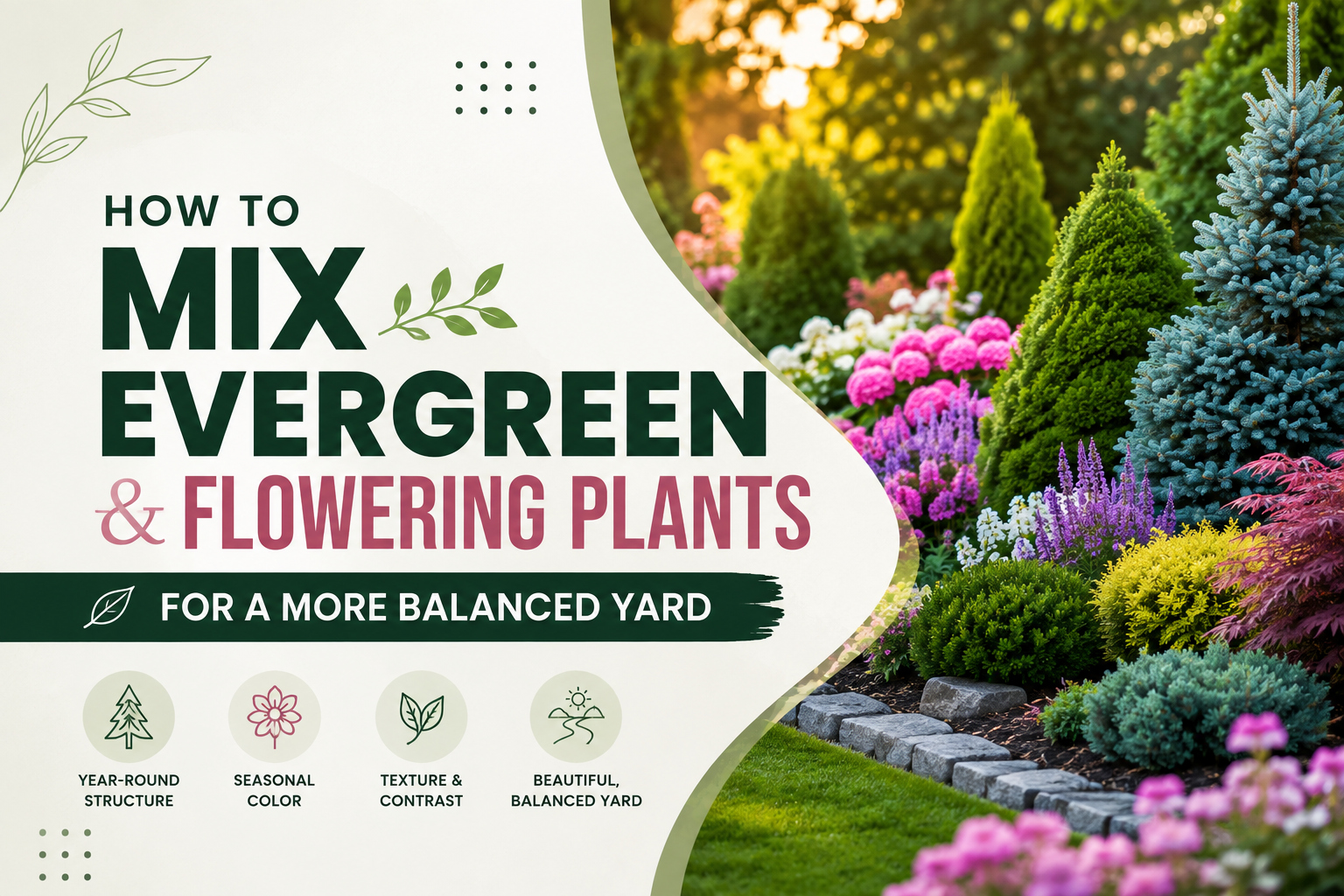
A front yard should not look attractive for only a few weeks in spring. A stronger landscape includes plants that provide structure, texture, or color throughout the year. A four-season planting plan may include:
- Evergreen shrubs for permanent structure
- Spring bulbs and flowering trees
- Summer perennials
- Ornamental grasses for late-season texture
- Shrubs with autumn foliage or berries
- Plants with attractive bark or seed heads during winter
Not every plant needs to flower. Foliage color, branching form, leaf texture, and plant shape can keep the yard visually interesting between flowering periods. Start with permanent elements such as trees, shrubs, walkways, bed lines, and evergreen plants. Add seasonal flowers near high-visibility locations such as the front door, mailbox, porch, or walkway. Repeating a limited selection of reliable plants usually looks more coordinated than planting many unrelated varieties.
Why It Can Increase Home Value
A yard with year-round structure looks complete during more seasons, which matters when a home is listed outside the main spring or summer flowering period.
6. Choose Low-Maintenance Plants
A highly detailed garden may attract attention, but it can also concern buyers who see future watering, pruning, fertilizing, and replacement costs. The most marketable landscapes usually look attractive without appearing difficult to manage. Before choosing plants, consider:
- Daily sunlight
- Soil texture
- Drainage
- Local temperature ranges
- Available planting space
- Mature plant size
- Water availability
- Pruning requirements
- Resistance to common pests
Native and regionally adapted plants may require less intervention once established, but native does not automatically mean maintenance-free. Every plant must still match the available sunlight, soil, moisture, and space.
Plants with similar water needs should be grouped together. This prevents drought-tolerant plants from being overwatered simply because moisture-loving varieties were installed in the same irrigation zone.
Why It Can Increase Home Value
Low-maintenance landscaping can appeal to buyers who want a beautiful outdoor space without taking on a demanding gardening routine.
7. Create Clean Bed Edges and Refresh the Mulch
Clear bed lines are one of the simplest ways to make an ordinary yard look more intentional. When grass spreads into planting beds and borders become uneven, the yard can appear neglected even when the plants are healthy. Clean edging creates separation between the lawn, driveway, walkway, and garden beds. Popular edging options include:
- A natural cut trench
- Metal edging for modern properties
- Brick or stone for traditional homes
- Concrete edging where durability is important
Choose one main edging material rather than combining several unrelated styles. Mulch can visually unify planting areas while helping reduce weeds and retain soil moisture. Apply it evenly, but avoid piling it against tree trunks, shrub stems, siding, or foundation vents. Natural mulch colors generally blend with plants and architecture more effectively than brightly dyed materials.
Why It Can Increase Home Value
Defined bed lines and fresh mulch make an established landscape look recently maintained without requiring a large financial investment.
8. Install Subtle Landscape Lighting
Front yard lighting can improve curb appeal after sunset while making walkways, entrances, address numbers, and steps easier to see. Useful lighting locations include:
- Near the front entrance
- Along important sections of the walkway
- Beside steps or level changes
- Under or near one specimen tree
- Around the house number
- Near the garage or driveway
Avoid placing lights around every plant. Too many fixtures can create glare, increase maintenance, disturb neighbors, and make the property look overly commercial. Use soft, warm lighting to highlight important features. Safety and navigation should come before decorative effects.
Why It Can Increase Home Value
Good lighting makes the exterior look polished during evening viewings while improving visibility and perceived safety.
9. Improve the Driveway, Mailbox, and Street Edge
The part of the property closest to the street often forms the buyer’s first impression. This includes the driveway, mailbox, curb, lawn edge, visible utility equipment, and nearby planting beds. Stand across the street and evaluate the property as a buyer would. Look for neglected features that draw attention away from the house.
Potential improvements include:
- Cleaning the driveway
- Repairing visible cracks
- Removing weeds from joints
- Defining the driveway border
- Repainting or replacing the mailbox
- Creating a small mailbox planting bed
- Repairing bare grass near the curb
- Screening utility equipment without blocking access
- Cutting back plants near driveway exits
Plants beside a driveway should tolerate reflected heat, occasional foot traffic, vehicle movement, and road salt where relevant. Avoid thorny plants, brittle branches, or shrubs that grow into car doors. Keep plants low near driveway exits and street corners so they do not obstruct visibility.
Why It Can Increase Home Value
A clean street-facing edge makes the entire property look better maintained, even when the landscape design is relatively simple.
10. Turn Drainage Problems Into Attractive Features
Standing water, muddy walkways, erosion, dying plants, or moisture moving toward the foundation can quickly weaken buyer confidence.
Drainage problems should be corrected before spending money on decorative landscaping. Depending on the property, possible solutions include:
- Correcting the slope near the house
- Redirecting downspouts
- Improving compacted soil
- Installing permeable paving
- Creating a shallow swale
- Adding a rain garden
- Replacing waterlogged grass with moisture-tolerant plants
- Directing water away from walkways
The U.S. Environmental Protection Agency’s stormwater guidance recommends practices such as redirecting downspouts, planting trees, reducing impervious surfaces, installing permeable pavement, and creating rain gardens to manage residential runoff.
A rain garden is a shallow planted area that temporarily collects water and allows it to enter the soil gradually. When planned correctly, it can help manage runoff while looking like an intentional garden bed. For recurring flooding, major grading changes, or foundation drainage concerns, have the property assessed by an experienced landscape or drainage professional.
Why It Can Increase Home Value
Effective drainage protects lawns, plants, walkways, and foundations while reducing buyer concerns about water damage and ongoing repair costs.
Which Landscaping Improvements Should Come First?
Homeowners do not need to complete every project at the same time. The work should be prioritized according to safety, function, appearance, and long-term value.
- Correct Existing Problems First: Address standing water, unsafe walkways, unhealthy trees, dead plants, damaged lawn areas, and overgrown shrubs before adding decorative features.
- Clean and Define the Yard: Mow the lawn, remove weeds, clean hardscape, edge planting beds, prune plants, and refresh mulch.
- Strengthen the Entrance
- Improve the route to the front door, make the house number visible, update lighting, and create a clear focal point near the entrance.
- Add Long-Term Structure: Invest in well-placed trees, shrubs, durable walkways, and clearly defined planting beds.
- Finish With Seasonal Details: Add flowers, containers, and smaller decorative features after the permanent structure has been completed.
Large projects can be divided into stages. These landscaping-in-phases tips explain how to sequence drainage, hardscape, planting, irrigation, and finishing work without losing the overall design.
Front Yard Landscaping Mistakes That Can Reduce Value
Not every landscape improvement produces a positive return. Some choices may create maintenance concerns or make the property less attractive to buyers. Avoid the following:
- Planting large trees too close to the house
- Blocking windows with shrubs
- Installing invasive plants
- Creating narrow or unstable walkways
- Ignoring mature plant size
- Combining too many materials
- Filling the yard with high-maintenance annuals
- Removing healthy mature trees unnecessarily
- Using excessive decorative gravel
- Blocking visibility near the driveway
- Ignoring irrigation and drainage problems
- Following temporary trends for permanent features
Personal style can still be introduced through containers, flowers, furniture, and removable decorations. Permanent landscape features should generally remain functional, balanced, and adaptable.
Visualize Your Front Yard Before Spending Money
Create a complete front yard plan before purchasing plants, removing established features, or installing walkways. This helps you understand how the lawn, entrance, driveway, beds, trees, and hardscape will work together.
The iScape landscape design app for homeowners allows users to visualize outdoor ideas on their property before committing time and money. Homeowners can test different plants, walkways, bed shapes, lawn sizes, and focal points before installation.
You can also follow this front yard curb appeal design guide to learn how to build the basic structure, add plants, test hardscape elements, and improve the entrance using iScape. Visual planning can help identify common problems, such as:
- A tree that overwhelms the house
- Shrubs that block windows
- Planting beds that are too narrow
- A walkway that does not connect naturally
- Too many competing colors
- Poor spacing between mature plants
- An unbalanced entrance
Homeowners can also try multiple yard ideas using a landscape design app before choosing the final layout.
Final Thoughts
The front yard landscaping ideas most likely to increase home value are not always luxury upgrades. They are the improvements that make the property look healthy, established, functional, safe, and easy to maintain.
Start by repairing the lawn, addressing drainage, removing dead plants, pruning overgrown shrubs, and fixing damaged walkways. Then improve the entrance, create stronger planting structure, add restrained lighting, and finish with seasonal color.
A successful front yard should do more than look attractive in listing photographs. It should help buyers see a property that has been thoughtfully designed, consistently maintained, and prepared for long-term use.