Stop Mosquito Zones Before They Start: Water Control & Planting That Actually Works
December 10, 2025
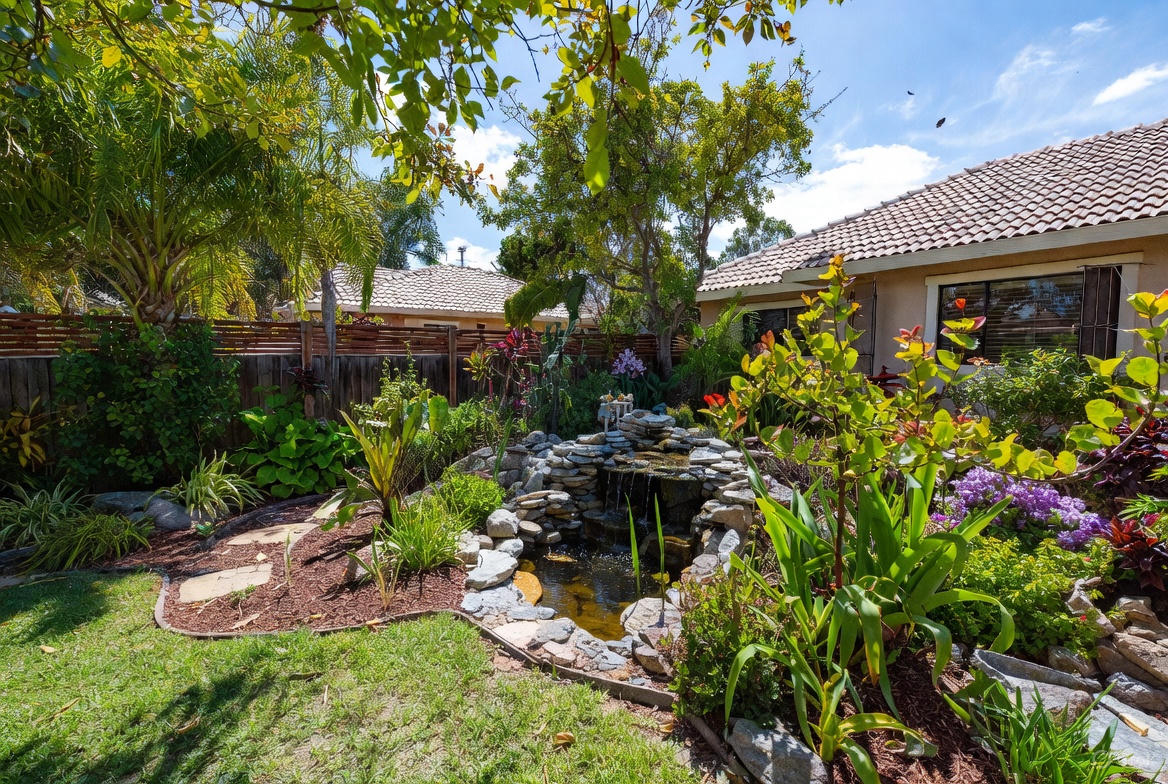
Mosquito problems rarely begin in the air. They begin in water that sits still for just a few days. If you remove the places where mosquitoes can breed and make a few smart changes to planting and irrigation, you shrink the population before it ever hatches. This guide walks you through a practical yard audit, shows exactly how to fix common water traps, recommends plants and habitats that support natural predators, and explains small layout choices that keep air moving and patios usable through the season.
Start With What Mosquitoes Need
Most nuisance species lay eggs in shallow, stagnant water. The life cycle from egg to biting adult can be as fast as seven to ten days in warm weather. That means a bottle cap, a clogged gutter, or a saucer under a pot can produce a surprising number of adults in a week. Control works when you shorten or break that cycle. Eliminate standing water, keep unavoidable water moving, and make the yard less attractive with airflow, light, and plant spacing that dries surfaces after irrigation.
Do A 20-Minute Water Audit After A Rain Or Sprinkler Run
Walk the property with a bucket and a small hand trowel. Tip and drain everything that can hold water for more than two or three days. Focus on these hotspots:
- Gutters and downspouts: clean debris, reattach loose elbows, and add screens at outlets.
- Low lawn pockets and compacted soil: note any areas where water lingers longer than a day.
- Irrigation boxes and valve pits: pump out water and raise them slightly with clean gravel.
- Planter saucers and decorative pots: drill extra drain holes, switch to pot feet, or remove saucers entirely.
- Toys, tarps, and tools: store under cover so they do not collect water.
- Birdbaths: keep them, but commit to a regular schedule so they remain safe for birds and useless for larvae.
- French drains and dry wells: check for collapsed sections or silt that prevents flow.
Fix The Sources, Not Just The Symptoms
- Grade and soil structure
Shallow basins and hardpan are breeding invitations. If puddles persist, topdress the area with one to two inches of compost, then core aerate and re-seed or re-mulch. For stubborn low spots, regrade to a gentle fall, roughly one to two percent away from the house, and tie them into a swale or a dry creek that leads to a safe soak-in area. In planting beds, add organic matter so soil holds moisture without ponding at the surface. - Downspouts and roof runoff
Splash blocks are not enough if the ground is flat. Extend downspouts with solid pipe to a gravel sump, a rain garden, or a buried drain that exits daylight on a slope. Where soil seals after big storms, install a simple dry well filled with angular rock and wrapped in landscape fabric so it drains within 24–48 hours. - Irrigation settings that reduce puddles
Over-watering creates perfect nursery conditions. Group plants by water need so you do not soak a drought-tough bed to keep a thirsty corner alive. Switch spray heads near patios to drip lines in beds, set shorter but more frequent cycles during heat, and water at dawn so foliage dries quickly. Check for low heads that weep after shutoff and repair them so they do not leave small, daily puddles. - Containers, saucers, and decorative water
Containers are notorious for breeding because the saucer hides the water. Use pot feet or risers so pots drain freely. If you like the look of a saucer, fill it with coarse gravel and keep the water line below the top of the stones so mosquitoes cannot access it. For birdbaths and small fountains, either dump and refill every two to three days or add a small solar bubbler so the surface never goes still long enough for larvae to mature.
When You Cannot Drain, Disrupt the Life Cycle
Rain barrels, ornamental ponds, and stock tanks can be managed safely. Keep screens tight on barrel inlets, float a small recirculating pump to stir the surface, or add mosquito dunks that release a bacterial larvicide targeted to mosquito larvae and safe for pets and wildlife when used as directed. In ponds, keep water moving with a small pump, add a few native mosquito fish where permitted, and maintain plant balance so you have shade but not heavy mats that trap stagnant pockets.
Planting That Supports Natural Control
- Choose plants for structure first, scent second
Scented plants such as lemon balm, lavender, rosemary, and catmint can make a seating edge more pleasant, but they will not “repel” mosquitoes across a yard. Their real value comes when you pair them with layout that supports air movement and with habitat that invites predators. Space perennials so air can flow between clumps, keep mulch at a moderate depth so the surface dries between waterings, and avoid dense, ground-touching skirts on large shrubs near seating areas. - Invite predators by design
Bats, dragonflies, swallows, and certain native fish eat mosquitoes and other small insects. You cannot purchase a guaranteed army, but you can make the yard comfortable for them. Keep a shallow, well-maintained birdbath with fresh water. Plant layered natives that host the insects dragonflies and birds feed on, such as asters, goldenrod, native grasses, and small flowering shrubs. Avoid broad-spectrum pesticides that remove beneficial insects along with pests, because that often leads to a rebound of mosquitoes with fewer predators to hold them in check.
Airflow, Light, And Layout Choices That Matter
Let Breezes Reach People
Mosquitoes struggle to land in moving air. Keep at least one side of a patio open to prevailing winds. Use trellises and screens sparingly so they do not create dead-air pockets. Trim hedge faces a little higher off the ground so air can pass under. Where wind routinely funnels between buildings, keep that corridor free of dense planting and avoid objects that collect rain.
Light The Scene Without Drawing Insects To The Table
Warm-colored LED path and step lights attract fewer insects than bright white or blue-heavy lamps. Aim fixtures across ground planes or plant forms rather than directly at seating. If you use string lights, choose warm tones and install them away from the main dining or lounge area so any attracted insects cluster where you are not sitting.
Maintenance Habits That Keep The Upper Hand
- Create a standing-water routine
Every three days in warm weather, walk the yard for one minute and flip anything that could hold water. This habit does more than any spray treatment. Keep a small hook near the birdbath to lift and dump, and make it part of the same routine you use to water pots. - Edge care and lawn height
Well-defined edges let you spot puddles. Keep lawn a touch taller during heat to shade soil and reduce evaporation stress, but avoid creating thatch mats that trap water. Where turf meets hardscape, consider a narrow strip of gravel or decomposed granite so runoff spreads and sinks rather than pooling. - Products that help without backfiring
Biological larvicides in standing water and small fans around seating are the two interventions that consistently help without harming the yard. Foggers and broad-spectrum insecticides knock down insects briefly, but they also remove pollinators and beneficial predators, which can worsen the problem later. Reserve chemical approaches for severe outbreaks and choose targeted products used precisely according to label. - Design once, fix many spots
If you like to plan visually, take a front or backyard photo and sketch the drainage path you want rain to follow. You can also open the image in iScape, drop in a shallow swale, a dry creek with angular rock, or a small rain garden, then place plants that tolerate brief inundation. Seeing the curve and depth against your actual patio or lawn helps you size features correctly and buy the right amount of rock, soil mix, and plants the first time.
Download iScape on the App Store or Google Play Store today and start designing your front yard now!
A Simple Mosquito-Proofing Checklist
• Tip and drain all containers, saucers, toys, and tarps after rain.
• Clean gutters and extend downspouts to a soak-in area that drains within 24–48 hours.
• Convert overspray to drip in beds and water at dawn so leaves dry quickly.
• Regrade shallow basins or add a swale, dry creek, or rain garden where puddles persist.
• Keep birdbaths and small fountains moving or change water every two to three days.
• Use larvicide dunks in unavoidable standing water, following label directions.
• Space plants for airflow and trim dense skirts near seating areas.
• Choose warm-tone LED lighting and position it away from tables.
• Add layered native plantings and avoid broad-spectrum pesticides so predators thrive.
• Walk the property every few days in warm weather and remove any new water traps.
The Bottom Line
Mosquito control that actually works is mostly a water management exercise, supported by planting and layout that favor airflow and natural predators. If every puddle drains within a day or two, if irrigation puts water only where roots need it, and if seating areas enjoy a little breeze and warm-tone light, you will notice fewer mosquitoes before the season even begins. Plan the fixes, install them once, and then keep to a quick routine after storms or sprinkler cycles. The result is a yard that feels comfortable at dusk, a garden that stays healthy, and a summer that belongs to you rather than to the bugs.
Download iScape on the App Store or Google Play Store today and start designing your front yard now!