How Top Landscape Designers Cut Revisions Without Compromising Quality
January 19, 2026

Revisions are one of the most expensive and time-consuming parts of any landscape project. They slow timelines, increase costs, and often frustrate both homeowners and designers. Yet top landscape designers consistently deliver high-quality results with fewer revisions, even on complex residential projects. The difference is not talent alone. It is process, clarity, and a smarter use of visualization.
In 2026, the best designers understand that quality is protected not by endless refinement, but by making better decisions earlier. This article examines how experienced landscape professionals minimize revision cycles while maintaining thoughtful, durable, and visually strong designs.
Why Excessive Revisions Happen in Landscape Projects
Most revisions are not caused by poor creativity. They happen because decisions are made too late or based on an incomplete understanding. Common causes include unclear goals, weak visualization, overlooked site constraints, and misalignment between budget and expectations.
When homeowners approve a design they cannot fully picture, they often realize problems only after construction begins. At that point, changes are disruptive and expensive. Top designers focus on eliminating uncertainty early, when changes are still easy and inexpensive.
Strong Designers Start With a Locked Design Brief
Experienced designers invest more time upfront than average designers. Before drawing anything, they work with the homeowner to define priorities clearly. This includes how the space will be used, who will use it, and what problems the landscape must solve.
A strong brief typically clarifies
- Primary uses such as entertaining, privacy, play, or low maintenance
- Non-negotiables such as setbacks, HOA rules, or access paths
- Maintenance expectations over the next five to ten years
- Budget range and flexibility
- Timeline and phasing needs
By locking these elements early, designers prevent mid-project direction changes that trigger major redesigns.
Site Accuracy Is Non Negotiable for Fewer Revisions
High performing designers treat site data as a foundation, not an afterthought. Many revisions happen because something fundamental was missed, such as slope, drainage, sun exposure, or access points.
Top designers verify
- Accurate dimensions and boundaries
- Existing grades and drainage flow
- Utility locations and tree protection zones
- Sun and shade patterns throughout the day
- Local or Homeowners Association requirements
Design quality improves when it responds to real site conditions instead of assumptions.
Visualization Is the Biggest Revision Reducer
One of the clearest patterns among top designers is how they communicate ideas. They do not rely solely on technical drawings or verbal explanations. They use visuals that make the outcome obvious.
Most homeowners are not trained to read plans. When approval is based on imagination, revisions are inevitable. When approval is based on clear visuals, confidence increases and second guessing drops.
Effective visualization typically includes
- Before and after comparisons
- Scaled placement of hardscape and planting
- Clear indication of heights, spacing, and proportions
- Simple views that explain the entire layout at a glance
This is where modern visual design tools have changed the workflow.
How iScape Fits Into Professional Workflows
Many designers and homeowners now use tools like iScape to reduce early confusion and speed up alignment.
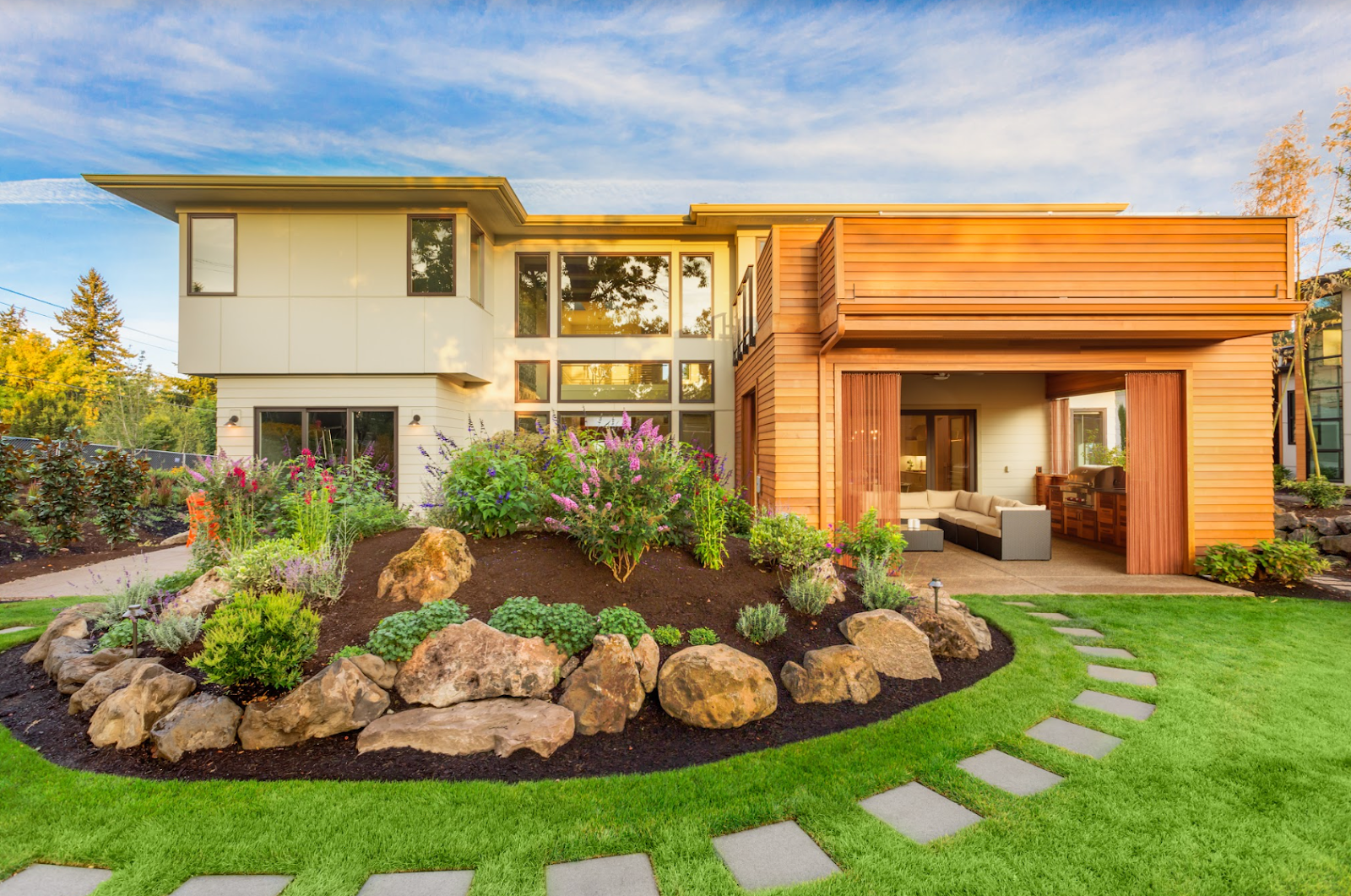
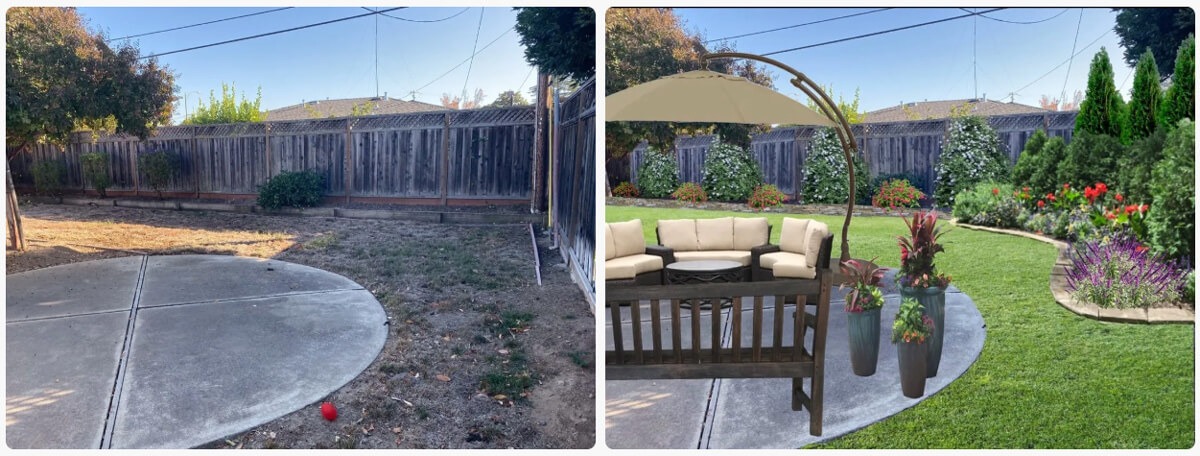
iScape allows users to design directly on photos of their actual yard, which removes abstraction. Instead of guessing how a patio or planting bed might look, homeowners see it placed in real context and scale.
Designers use iScape style visualization to
- Test layout ideas quickly before finalizing plans
- Show homeowners how changes affect flow and space
- Compare options without redrawing entire plans
- Reduce emotional revisions later in the process
While formal drawings may still be required for permits, early photo based visualization dramatically reduces concept level revisions. Download iScape on the App Store or Google Play Store today and start designing your front yard now!
Top Designers Approve in Stages, Not All at Once
Another key strategy is staged decision making. Designers who ask homeowners to approve everything in one step invite confusion and reversals. Instead, they break the project into logical phases.
A common staged approach includes
- Stage one focuses on layout and circulation
- Stage two confirms hardscape and structural elements
- Stage three finalizes planting and lighting concepts
- Stage four locks materials and finishes
Each stage is approved before moving forward. This approach prevents small late changes from cascading into full redesigns.
Fewer Options Lead to Faster Decisions
Contrary to popular belief, offering too many options increases revisions. Top designers limit choices and make each option meaningful.
Instead of presenting many similar layouts, they present two or three clear directions, each tied to specific priorities such as entertainment, privacy, or low maintenance. This clarity helps homeowners give decisive feedback and reduces back and forth.
Budget Alignment Protects Design Quality
Many revisions happen when budget discussions are postponed. When a homeowner approves a design without understanding cost implications, revisions become inevitable once pricing appears.
Experienced designers integrate budget awareness early. They explain cost drivers, suggest alternatives, and discuss phasing strategies. This prevents emotional attachment to features that cannot be built and protects design integrity.
Feedback Is Structured, Not Random
Top designers control how feedback is collected. They avoid scattered comments across texts, emails, and calls. Instead, they guide feedback through defined review points.
Clear review systems reduce revisions by
- Preventing conflicting feedback
- Keeping decisions documented
- Establishing clear sign off moments
- Distinguishing revisions from new scope requests
This structure keeps projects moving forward without sacrificing thoughtfulness.
The Core Concept Is Protected
Great designers revise details, not direction. When feedback arrives, they identify the underlying concern rather than redesigning everything.
For example, a request to move a plant may actually reflect a privacy concern. Solving the real issue without breaking the core layout preserves design quality while satisfying the homeowner.
What Homeowners Can Learn From This Approach
Even homeowners designing their own landscapes can apply these principles.
Clear priorities, early visualization, staged decisions, and realistic budgets reduce mistakes dramatically. Tools like iScape help homeowners see problems early, when changes are easy and affordable.
Final Thoughts
Top landscape designers do not cut corners by rushing or compromising quality. They cut revisions by improving clarity, alignment, and visualization early in the process. Fewer revisions usually mean a better design experience, lower costs, and a smoother build.
If you want a landscape that feels intentional rather than reactive, the goal is not fewer ideas. It is better to make decisions earlier.
If you want to reduce revisions on your next landscape project, start by seeing your design clearly before construction begins. Download iScape on the App Store or Google Play Store today and start designing your front yard now!