.jpg)
A Garden Renovation is one of the easiest ways to improve how your home looks and feels, but it is also one of the easiest projects to get wrong. Many homeowners end up redoing parts of their garden within a year or two, not because they chose bad materials, but because the original design did not account for growth, movement, drainage, or daily use.
Most costly garden re-do’s come from avoidable garden design mistakes made during the planning stage. The smartest approach is to slow down, understand basic design principles, and use planning tools, including free landscaping apps for homeowners, to visualize decisions before committing money and labor.
This guide explains where garden projects go wrong, how to avoid expensive fixes, and the best practices to design garden layouts that last.
Why garden re-do’s cost more than expected
Garden re-do’s are expensive because they often involve undoing completed work. Removing established plants, lifting pavers, fixing drainage, or rebuilding structures costs far more than planning correctly the first time.
The most common reasons re-do’s become necessary include:
- Plants that outgrow their space and damage structures
- Hardscapes features that were installed without the correct size or slope
- Poor circulation makes the garden uncomfortable to use
- Ignoring long-term maintenance needs
Landscape design research consistently emphasizes that early planning, site analysis, and functional zoning reduce long-term costs more than any material choice.
The most common garden design mistakes that lead to re-do’s
1. Designing for how the garden looks today, not how it will grow
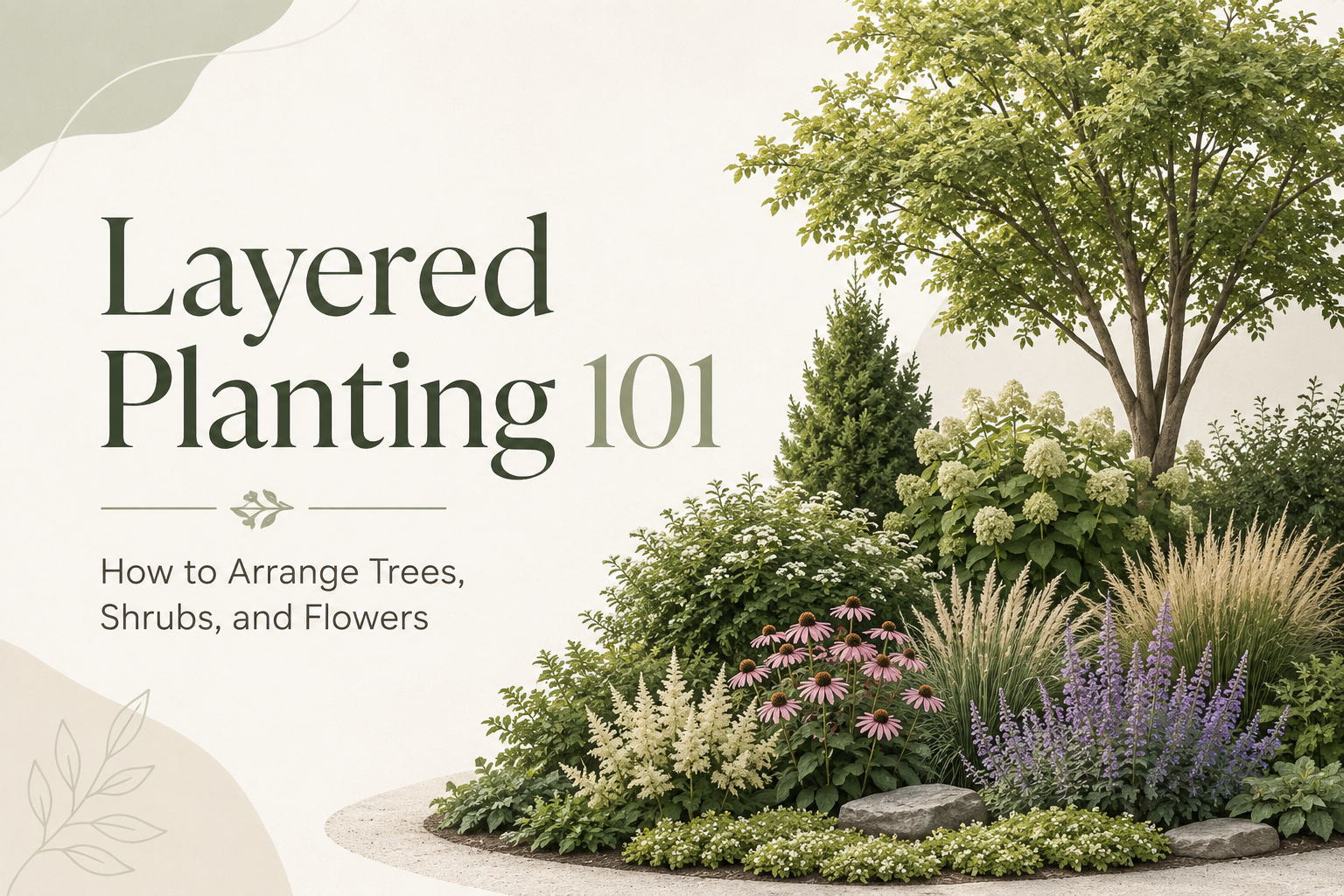
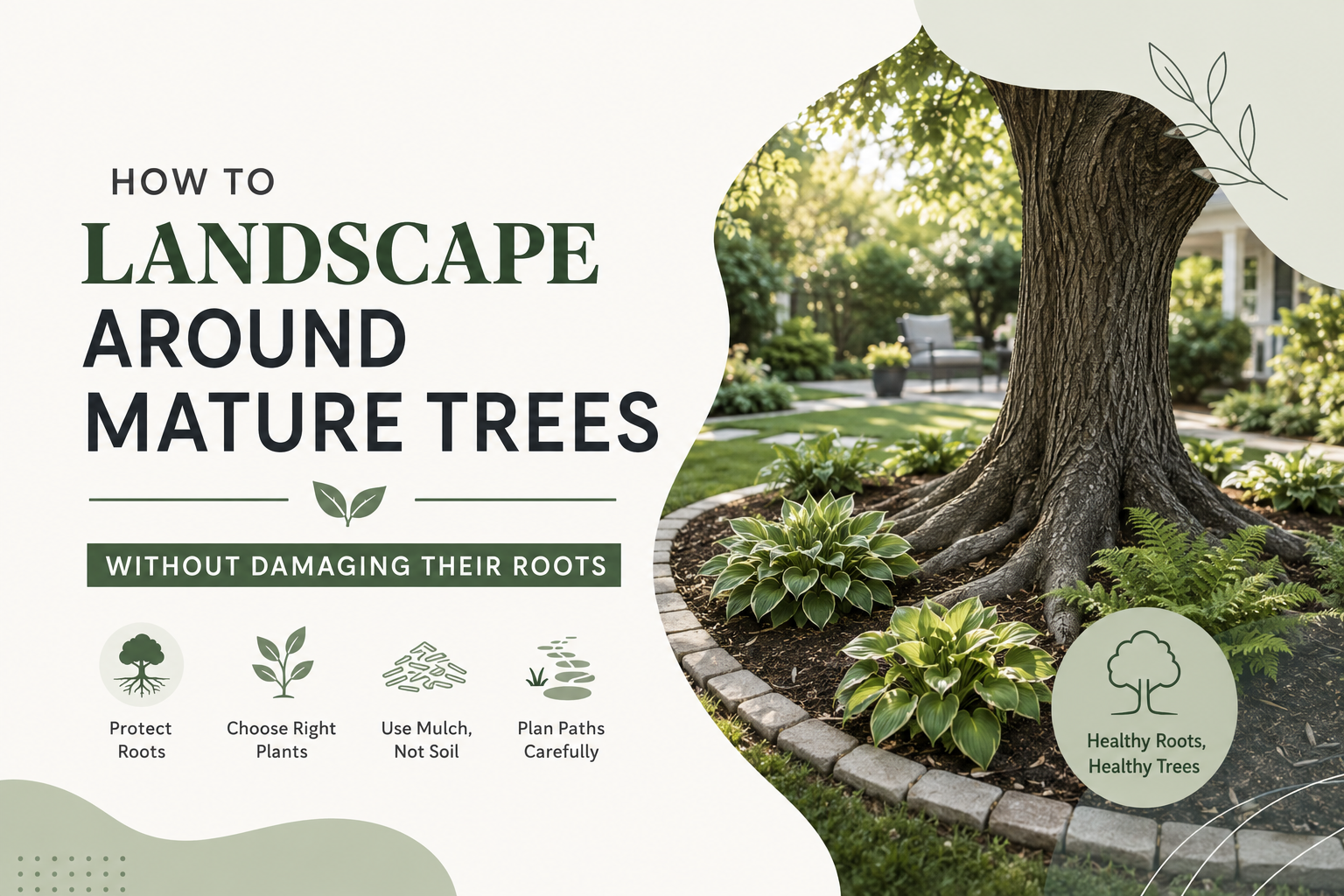
New plants look small and manageable, which leads many homeowners to plant too closely. Over time, shrubs overlap, trees shade out lawns, and roots interfere with foundations or paths.
This mistake leads to constant pruning, unhealthy plants, and eventually removal. A garden designed with mature plant size in mind stays balanced and needs far less corrective work.
2. Installing hardscape before understanding how the space is used
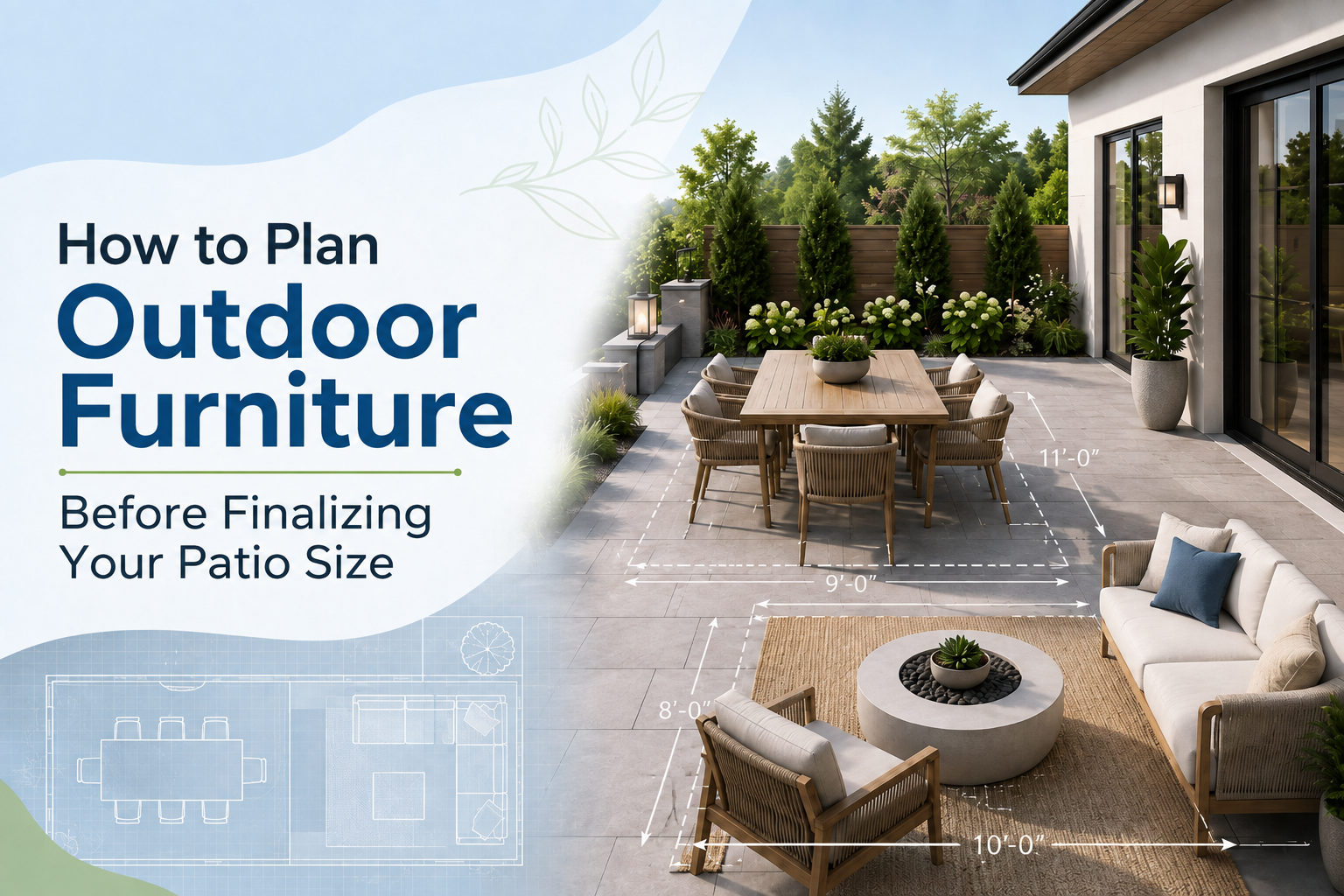
Patios and paths are often built based on available space rather than actual usage. Common issues include patios that are too small for furniture, walkways that do not connect key areas, or seating areas placed where sun or wind makes them uncomfortable.
Because hardscape is difficult and costly to change, these errors usually require partial or full reconstruction.
3. Ignoring drainage and slope during design
Water movement is invisible until it becomes a problem. Flat patios, incorrectly sloped paths, or poorly placed planting beds can cause pooling water or direct runoff toward the home.
Drainage problems are among the most expensive garden issues to fix later because they often require lifting surfaces and rebuilding base layers.
4. Creating a garden without defined zones
When a garden has no zones, it feels cluttered and inefficient. Furniture, plants, and features compete for space instead of working together.
Zoning allows you to clearly separate areas for entry, seating, planting, play, and service access. This improves both appearance and functionality while preventing future redesigns.
How far should shrubs be from the house?
Incorrect shrub spacing is one of the most common and expensive planting mistakes. Shrubs placed too close to the house trap moisture, block airflow, and create maintenance and pest problems.
Use these practical spacing guidelines:
- Air gap rule: Always leave a minimum of 12 to 18 inches between the shrub and the wall for airflow and access.
- Mature width rule: Plant shrubs so that at full size, they do not touch the house. A simple method is to plant them at least half of their mature width away from the structure.
- Size based spacing:
- Small shrubs: about 2 feet from the house
- Medium shrubs: 3 feet from the house
- Large shrubs: 4 to 5 feet from the house
- Maintenance consideration: Avoid planting directly under windows, vents, or siding joints, where access is needed for repairs.
Following these guidelines prevents moisture issues, reduces pruning, and avoids the need to remove plants later.
Best Practices To Design Garden Layouts That Last
Start with site analysis, not decoration
Before choosing plants or features, study the site. Identify sun exposure, shade patterns, slopes, low points, and access areas. This information determines what will thrive and where hardscape should be placed.
A well-designed garden responds to the site instead of forcing ideas onto it.
Place hardscape first, then layer planting
Paths, patios, and structural elements form the framework of the garden. Once these are correctly placed, plants can be used to soften edges, define spaces, and add seasonal interest. This approach prevents conflicts between roots, paving, and drainage systems.
Design circulation like an indoor floor plan
Think of your garden as a series of outdoor rooms. Paths should follow natural movement patterns, seating areas should allow easy entry and exit, and service areas should remain accessible without crossing social spaces. Good circulation reduces clutter and improves daily usability.
Repeat materials and simplify choices
Using too many materials makes a garden look disjointed. Limiting your design to a few repeated materials creates visual harmony and simplifies future repairs or expansions. Consistency also helps the garden age gracefully over time.
How free landscaping apps for homeowners help avoid mistakes
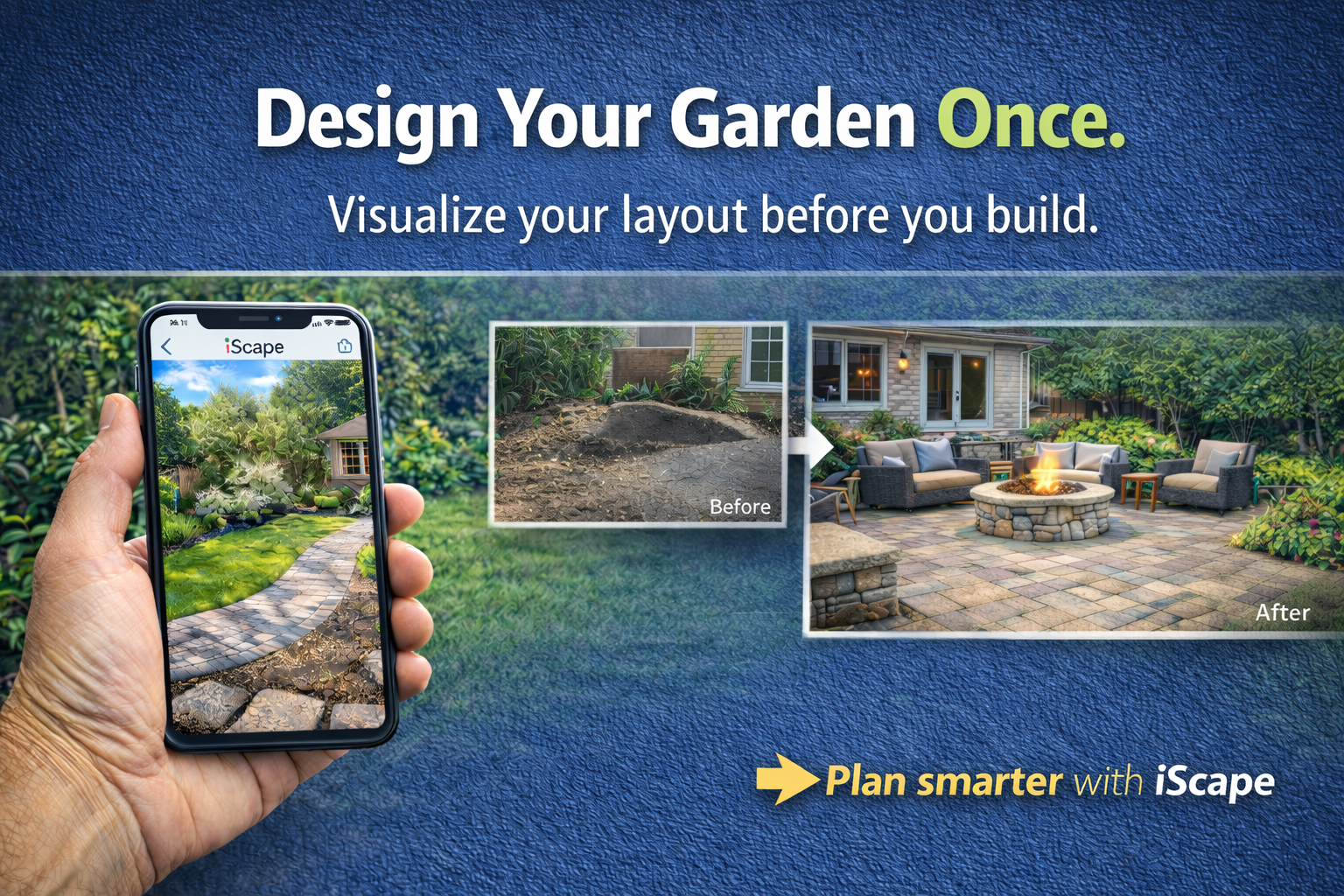
Visual planning tools reduce errors by letting you test ideas before committing to them. Even basic free landscaping apps for homeowners allow you to:
- See scale and spacing more accurately
- Identify overcrowding early
- Test layout options quickly
- Share plans with family or contractors
Apps like iScape are designed for homeowners who want to visualize their outdoor space using photos or AR, making it easier to catch design issues before installation.
A simple checklist to prevent costly garden re-do’s
Before starting any garden project, ask:
- Have I planned for mature plant size?
- Does water flow away from the house?
- Is my patio large enough for real use?
- Are walkways logical and comfortable?
- Can the garden be maintained easily long-term?
If the answer to any is no, redesigning now will save money later.
Final thoughts
Most garden re-do’s are not caused by poor materials or bad intentions. They happen because design decisions were made without enough information. By avoiding common garden design mistakes, following spacing and layout best practices, and using planning tools wisely, you can create a garden that looks good, works well, and does not need rebuilding.
If you are planning a Garden Renovation, design first and build once. Visualize your layout, spacing, and features before you spend money.