Hardscape Design 101: Choosing Materials for Walkways, Retaining Walls, and Patios
July 14, 2026
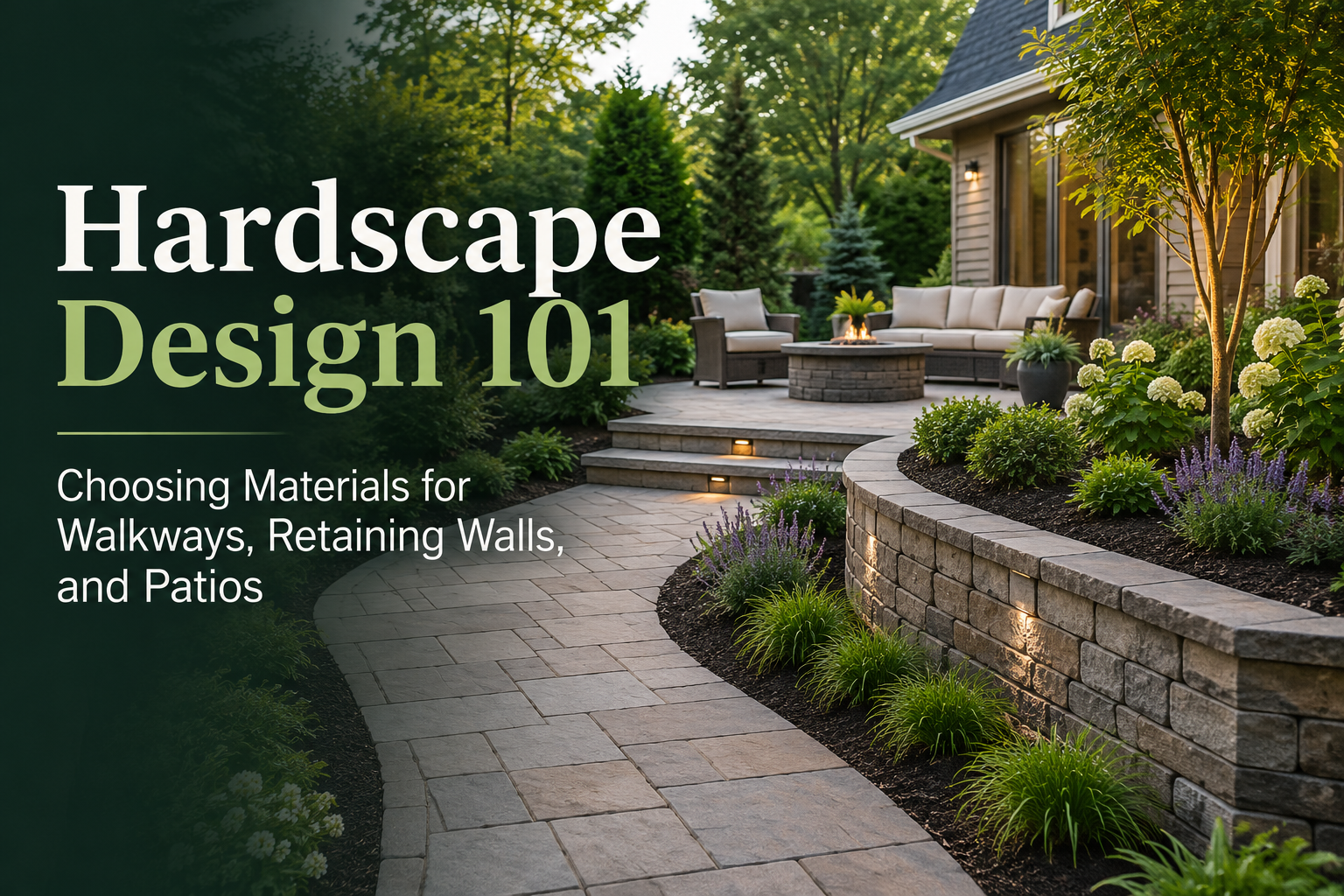
Hardscape forms the permanent structure of an outdoor space. Walkways guide movement, patios create areas for dining and relaxation, and retaining walls help manage slopes while adding usable space to the yard. Because these features are costly to replace, material selection should involve more than choosing a color or texture. A patio may look attractive but become uncomfortably hot in direct sun. A gravel walkway may suit a garden but feel unstable near the main entrance. A retaining wall may match the house but fail if drainage and base preparation are ignored. The right material should suit the purpose of the area, local climate, drainage, maintenance expectations, architectural style, and long-term budget. Before purchasing materials, homeowners can use iScape to plan hardscape features and compare different layouts before construction begins.
Start With Function
Before choosing concrete, brick, stone, gravel, or pavers, define what the space must do. A main walkway should provide a firm, comfortable route to the house. A garden path may only need to support occasional foot traffic. A patio must hold furniture, grills, planters, and people without feeling crowded. A retaining wall must resist soil pressure and allow water to drain safely. Consider how frequently the area will be used, whether wheelchairs or strollers will cross it, how water moves through the site, how much maintenance is realistic, and whether the material complements the house. Drainage should also be reviewed before adding paved areas. If the yard already has puddles, erosion, or water moving toward the house, read this guide on planning a yard that drains better without ruining the look.
Best Materials for Walkways
Concrete
Concrete creates a firm, continuous surface and works well for main entrances, side-yard access, and frequently used paths. It can be broom-finished, stained, stamped, scored, or finished with exposed aggregate. Concrete is stable and easy to maintain, but it can crack because of soil movement, roots, freeze-thaw cycles, or poor base preparation.
Concrete Pavers
Concrete pavers come in many sizes, colors, shapes, and textures. They can create straight, curved, traditional, or contemporary walkways. Pavers offer more design flexibility than poured concrete, and individual units can often be lifted and replaced. Performance depends on excavation, compaction, bedding, joints, and edge restraint.
Brick
Brick creates a warm, established appearance that suits historic, colonial, cottage, and traditional homes. It can be installed in running bond, herringbone, or basketweave patterns. Use exterior paving bricks rather than wall bricks. Some products may absorb moisture, become slippery, or deteriorate in harsh climates.
Natural Stone
Flagstone, limestone, sandstone, granite, and slate create a premium, natural appearance. Stone works especially well in rustic, woodland, cottage, and high-end landscapes. For a main walkway, choose flatter stone with consistent thickness and a textured surface. Irregular stone is better suited to informal paths.
Gravel and Stepping Stones
Gravel is affordable, flexible, and permeable. It works well for informal paths and secondary routes. Angular gravel usually stays in place better than rounded stone, but edging is needed to prevent spreading. Loose gravel can be difficult for wheelchairs, strollers, walkers, and rolling equipment. Stepping stones use less hardscape, but they should be large, stable, and spaced according to a natural walking rhythm.
Best Materials for Retaining Walls
Retaining walls should be selected for structural performance first. Wall height, soil type, slope, drainage, nearby buildings, and additional weight above the wall can all affect the design.
Segmental Concrete Blocks
Segmental retaining-wall blocks are modular concrete units designed to stack or interlock. They can create straight, curved, or terraced walls and coordinate well with concrete-paver patios and walkways. Taller walls may require buried base courses, drainage stone, geogrid reinforcement, and engineering. The Concrete Masonry and Hardscapes Association provides technical information on these systems.
Natural Stone
Natural stone walls blend easily with planting and suit rustic, farmhouse, woodland, and premium gardens. They may be dry-stacked or built with mortar. Stone walls require skilled installation and may cost more than manufactured blocks, but the result has a timeless character.
Poured Concrete
Poured concrete creates a strong, continuous wall with a clean architectural appearance. It works well for modern homes, narrow spaces, and straight structural walls. The surface may be textured, stained, board-formed, or faced with stone. Proper footing, reinforcement, drainage, and curing are essential.
Timber and Gabions
Timber walls create a warm, informal look and may cost less initially. However, wood usually has a shorter service life in contact with wet soil and may eventually rot, split, or warp. Gabion walls use stone-filled wire cages. They drain well but require more width and may not suit every home.
Why Drainage Matters
Water collecting behind a retaining wall increases pressure and can cause leaning, bulging, or failure. Depending on the system, drainage may include aggregate, filter fabric, perforated pipe, outlets, and proper grading. Permit or engineering requirements may apply based on wall height, slope, soil, and nearby structures. Check local regulations before construction.
Best Materials for Patios
Concrete
Concrete is practical for large patios and simple layouts. It creates a stable surface for dining tables, seating, grills, and planters. Decorative options include stamping, staining, scoring, and exposed aggregate. Concrete may crack or stain, and repairs can remain noticeable. Base preparation, drainage slope, control joints, reinforcement, and curing influence long-term performance.
Pavers
Pavers are among the most versatile patio materials. They work well for curved patios, decorative borders, fire pit areas, dining zones, and integrated walkways. Individual units can be reset if settlement occurs, but even premium pavers can fail over unstable soil or a poorly compacted base.
Natural Stone
Natural stone creates a high-end patio with unique color and texture. It suits traditional, Mediterranean, rustic, and garden-focused designs. For furniture areas, choose relatively flat stone with stable joints. Very irregular pieces can cause tables and chairs to wobble. Dark stone may become hot in direct sunlight, while pale stone may create glare.
Brick, Porcelain, and Gravel
Brick patios create an intimate courtyard appearance. Use exterior paving bricks rated for the climate. Exterior porcelain pavers can imitate stone, concrete, or wood while offering consistent dimensions. Only slip-resistant products rated for outdoor use should be selected. Gravel patios are useful for informal seating or fire pit areas. They drain well and can follow organic shapes, but furniture may feel unstable and edging is necessary.
Consider Permeable Hardscape
Permeable materials can help reduce runoff in drainage-prone areas. Options include permeable interlocking pavers, pervious concrete, gravel grids, and pavers with aggregate-filled joints. The U.S. Environmental Protection Agency explains that permeable pavement allows rainwater to pass through the surface into underlying gravel and soil layers. These systems still need proper design and maintenance because sediment can clog the openings.
Match Materials to Climate and Style
In freeze-thaw regions, select products rated for repeated freezing and ensure the base drains properly. In hot climates, dark materials may become uncomfortable underfoot. Wet areas need textured, slip-resistant surfaces. Coastal landscapes require materials and fasteners suited to salt and moisture exposure. Limit the yard to one primary material and one or two supporting materials. Repeating the same paver family, wall stone, edging, or undertone creates a more cohesive result. Hardscape should also be balanced with plants. Trees, shrubs, grasses, and groundcovers soften edges and provide shade. Read more about combining hardscape and plants in one design.
Look Beyond the Surface Material
The visible surface is only one part of a successful hardscape project. What sits beneath the material often determines whether the finished area remains stable. A walkway or patio may require excavated soil, compacted aggregate, bedding material, edge restraints, joint material, drainage layers, and an appropriate slope. Retaining walls may also require buried base courses, reinforcement, drainage stone, and filter fabric. Premium materials cannot compensate for an unstable foundation. Sinking pavers, spreading edges, cracked concrete, standing water, and leaning walls are often caused by inadequate preparation rather than the surface material. Ask contractors to explain how the base will be constructed, how deep it will be, where water will go, and which installation standards will be followed.
Compare Long-Term Cost
The material with the lowest purchase price may not be the least expensive over the life of the project. The total cost can include:
- Excavation and soil removal
- Aggregate and base preparation
- Drainage improvements
- Material delivery
- Cutting and installation
- Edging or wall caps
- Sealing and cleaning
- Repairs and replacement
Concrete may be economical for a large patio, but repairs can remain visible. Pavers may cost more initially but allow individual sections to be lifted and reset. Natural stone may require skilled labor but provide a distinctive appearance and long service life. For larger projects, homeowners can also consider planning landscaping in phases without losing the final look.
Avoid Common Hardscape Mistakes
Common mistakes include choosing materials only for appearance, ignoring drainage, using indoor products outdoors, underestimating base preparation, and mixing too many unrelated colors and textures. Also consider mature tree roots, future utility access, surface heat, traction, maintenance, and replacement availability.
Frequently Asked Questions
Are pavers better than concrete?
Pavers offer more design flexibility and allow individual repairs. Concrete creates a continuous, stable surface and may suit simpler layouts. The right choice depends on soil movement, budget, appearance, and maintenance expectations.
What is the most affordable patio material?
Gravel and basic concrete are often lower-cost options, but excavation, drainage, access, and base preparation can significantly affect the final price.
Does every retaining wall need drainage?
Most functional retaining walls need a method for relieving water pressure. The exact system depends on the wall type, soil, slope, height, and site conditions.
Can different hardscape materials be combined?
Yes. The strongest combinations repeat similar undertones, shapes, or textures. Use clear borders or planting strips where materials change.
What is the best low-maintenance walkway material?
Concrete and properly installed concrete pavers are common low-maintenance choices. However, concrete may crack, while paver joints can collect sediment and occasionally need attention.
Should hardscape materials be sealed?
Some concrete, brick, pavers, and natural stone may benefit from sealing, but not every product requires it. Follow the manufacturer’s instructions because an unsuitable sealer may alter the color, trap moisture, or reduce traction.
Final Thoughts
The best hardscape material is not simply the least expensive or most attractive option. It is the material that supports how the space will be used, performs well in the local climate, manages water correctly, and remains practical to maintain. Define the function of each walkway, patio, and retaining wall first. Then compare durability, safety, installation requirements, drainage, maintenance, and long-term cost. Finally, visualize the full layout before construction so the hardscape and planting work together as one connected outdoor design.