Dog-Friendly Landscaping Ideas That Keep Your Yard Beautiful and Practical
July 17, 2026
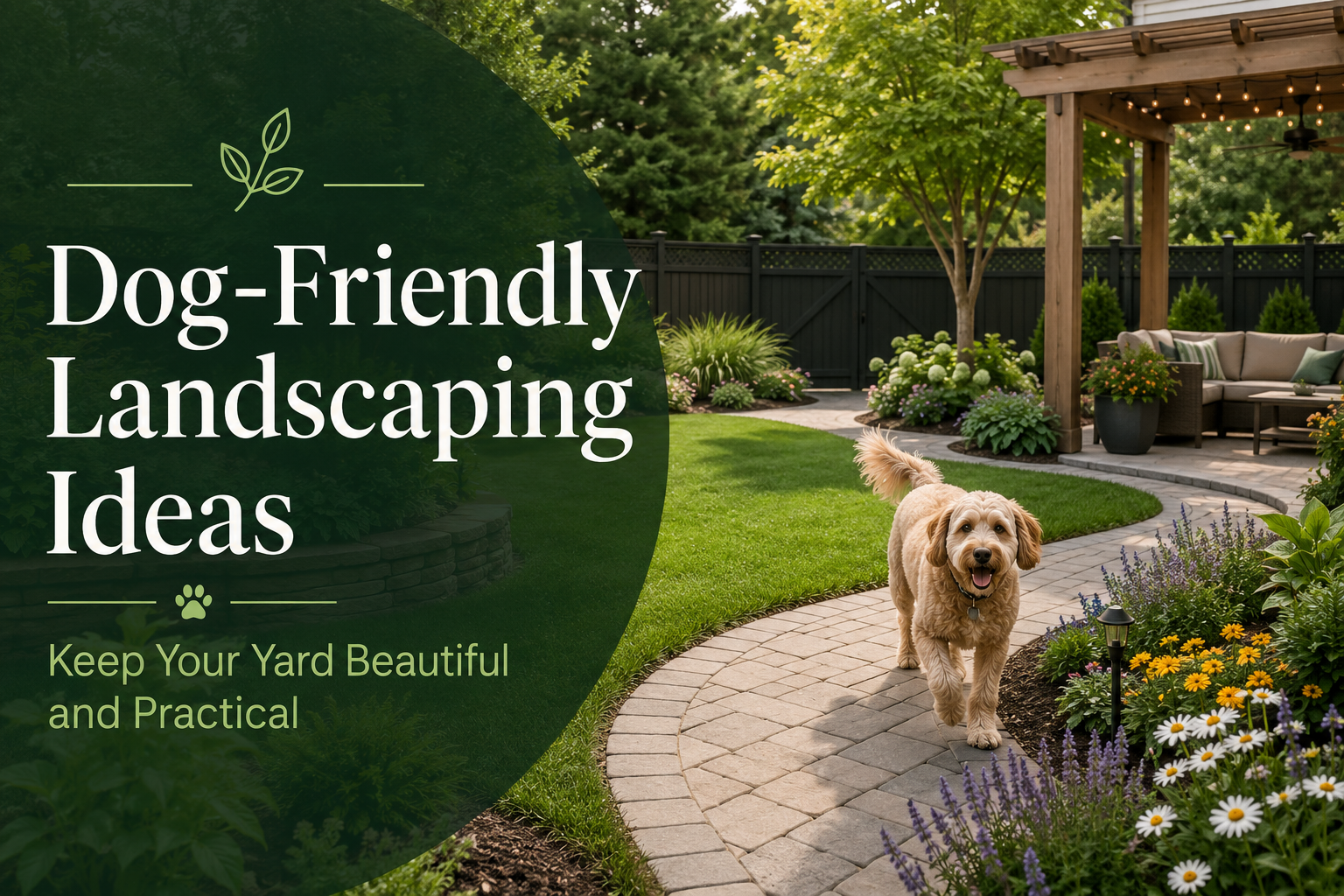
A dog-friendly yard does not have to look like a worn-out play area. With the right layout, plants, surfaces, and maintenance plan, a landscape can remain attractive while giving a dog room to move, rest, explore, and play safely. The American Veterinary Medical Association reports that 42.6% of U.S. households own dogs, representing about 56.3 million households, with an average of 1.6 dogs in each dog-owning home. The most successful approach is not to fight normal dog behavior. It is to observe how the dog already uses the yard and design around those habits. A practical design also lowers maintenance because wear is concentrated in planned areas instead of spreading across lawns, beds, and corners that were never built to handle repeated daily dog activity safely.
Study Your Dog’s Yard Habits First
Spend several days watching where your dog runs, rests, sniffs, digs, urinates, and watches the street. A dog that patrols the fence will probably continue using the same route after new beds are installed. A dog that lies beside the back door may need a shaded resting spot there. A puppy that cuts across a garden corner will likely damage any delicate plants placed directly in that path. Mark the main routes, sunny areas, shaded areas, wet spots, gates, and favorite viewing points. Use these observations to divide the yard into practical zones:
- An open play area
- A durable running route
- A toilet area
- A shaded resting space
- Protected planting beds
- A secure entry or gate zone
Homeowners can also use iScape to test pathways, privacy features, and plant placement before changing the yard.
Create a Clear Running Route
Many dogs repeatedly run along fences, around patios, or between the door and gate. Blocking these routes with plants rarely stops the behavior. Instead, turn the route into an intentional path. Use compacted decomposed granite, smooth pavers, pet-safe artificial turf, or durable groundcover. Avoid sharp gravel that can irritate paws. Dark paving can also become dangerously hot in strong sun, so test the surface with your hand before allowing the dog to use it during hot weather. A curved route can look like part of the landscape rather than a bare strip. Border it with sturdy shrubs, ornamental grasses, or raised beds to keep the design organized.
Choose Plants by Scientific Name
“Pet-friendly” labels at garden centers are not always detailed enough. Different plants may share the same common name, while varieties within one group can have different risk levels. The ASPCA maintains a searchable list of plants reported as toxic or non-toxic to dogs. It also warns that eating any plant material can still cause vomiting or stomach upset, even when the plant is listed as non-toxic. Common landscape plants that require caution include sago palm, daffodil, cyclamen, castor bean, philodendron, privet, and certain geraniums. The ASPCA dog-specific database lists these and other plants by both common and scientific names.
Possible dog-safer choices include African daisy, alyssum, alumroot, camellia, magnolia, roses, snapdragons, sunflowers, and zinnias. However, always confirm the exact species before buying. Roses may be non-toxic, but their thorns can still injure eyes, noses, or paws. Plant safety should be checked together with sunlight, soil, water needs, mature size, and climate. The iScape guide to choosing plants for sun, shade, soil, and space can help narrow the options.
Protect Planting Beds Without Making Them Look Fortified
A low barrier is often enough to discourage a dog from stepping into a bed. Decorative metal edging, short fencing, dense border plants, or a raised bed can create a clear boundary without making the yard feel closed. Raised beds are especially useful for vegetables, herbs, and delicate flowers. They improve visibility, reduce accidental trampling, and keep fertilizers or soil amendments farther from curious noses.
Place tougher plants along the front edge and more delicate plants farther back. Avoid positioning thorny shrubs beside narrow paths or high-energy play areas. Mulch also needs careful selection. Large natural wood chips are usually more practical than sharp stone, but dogs that chew mulch may swallow pieces. Cocoa mulch should be avoided because it contains substances related to chocolate that can be harmful to dogs. Supervise dogs that eat non-food materials and ask a veterinarian about repeated chewing or swallowing.
Build a Designated Toilet Area
Dog urine contains nitrogen and salts. Small amounts may act like fertilizer, but repeated use of one lawn area can create dark green rings, yellow patches, or dead grass. Instead of trying to repair the entire lawn repeatedly, create a toilet zone in a quiet, easy-to-clean corner. Suitable surfaces may include pea gravel, artificial turf designed for pets, mulch, or a small patch of resilient grass.
The area should drain well and be reachable in wet weather. Add a vertical marker, such as a post or large stone, if the dog prefers to mark upright objects. Training the dog to use the area consistently may take time, praise, and rewards. Rinse heavily used spots with water and remove solid waste promptly. This improves cleanliness, limits odor, and reduces damage to surrounding plants.
Select Lawn Grass for Real Use
No grass is completely dog-proof. The best choice depends on climate, sunlight, soil, irrigation, and the number and size of dogs. Warm-season grasses such as Bermuda grass and zoysia can handle traffic well in suitable climates, while tall fescue is often chosen in cooler regions for its relatively deep roots and wear tolerance. Local extension services can recommend grasses that perform best in the area.
Keep the lawn large enough for play but not so large that every damaged section becomes a major maintenance problem. A smaller central lawn surrounded by paths, planting beds, and hardscape can be more practical than wall-to-wall grass. Overseeding worn spots, aerating compacted soil, mowing at the correct height, and rotating play areas can improve recovery.
Provide Shade, Water, and a Comfortable Resting Area
Dogs need relief from direct sun, particularly in hot climates. Trees provide attractive long-term shade, but a pergola, shade sail, covered patio, or weather-resistant dog shelter can help while trees mature. Place resting areas where air can circulate and the dog can still see the home or yard. Many dogs ignore isolated shelters because they prefer staying near people.
Provide clean drinking water in a stable container that cannot tip easily. Avoid leaving stagnant water in buckets, planters, or poorly drained areas. Shade also protects the landscape. When planning trees, consider mature canopy size, roots, falling fruit, and whether the species is safe for dogs.
Use Paw-Friendly Hardscape
Hardscape reduces mud and creates durable routes, but the material must be comfortable underfoot. Smooth concrete, textured pavers, and natural stone with even joints can work well. Avoid jagged rock, loose metal edging, splintering wood, and surfaces that become slippery when wet. Balance hardscape with planting so the yard does not become hot or sterile. The iScape article on combining hardscape and plants in one design explains how paths, patios, and greenery can work together.
Improve Drainage and Reduce Mud
Dogs quickly turn poorly drained ground into mud. Correct the water problem rather than covering it with more mulch. Redirect downspouts, loosen compacted soil, repair low spots, and use appropriate grading. In some yards, a French drain, dry creek bed, rain garden, or permeable path may help move or absorb water. Keep high-traffic routes away from constantly wet soil. A durable path between the house, gate, and toilet area can prevent muddy paws during rain.
Secure the Yard Carefully
Inspect fences from a dog’s eye level. Look for gaps beneath panels, loose boards, climbable objects, sharp wire, and gates that do not latch reliably. Dogs that dig near fences may need buried mesh, a concrete mowing strip, or heavy pavers along the boundary. Dogs that react to people or animals outside may benefit from solid fence sections or layered planting that limits the view. Do not place benches, storage boxes, or raised planters beside a fence if they could become climbing platforms.
Reduce Chemical Risks
A beautiful lawn is not worth unsafe exposure. Use fertilizers, herbicides, insecticides, and slug controls only as directed, and keep pets away for the period stated on the product label. The U.S. Environmental Protection Agency recommends landscape practices that reduce pesticide and nutrient risks to people, pets, wildlife, and waterways. Try non-chemical controls first, including hand weeding, mowing, improved soil health, pest-resistant plants, and targeted treatment rather than routine spraying.
Final Thoughts
A dog-friendly landscape works best when it accepts the dog as a user of the space. Plan around natural running routes, provide a toilet zone, choose verified safe plants, protect beds, improve drainage, and create shade. The goal is not a yard the dog cannot touch. It is a yard where pet activity has been anticipated. When paths, play areas, planting, lawn, and hardscape each have a clear purpose, the landscape can remain practical, safe, and visually polished for both people and pets.