.jpg)
An in depth, practical guide to choosing the right tool for planning and visualizing your outdoor space
Designing a yard is no longer limited to rough sketches or hiring a professional at the very beginning. In 2026, landscape design tools will give homeowners the ability to plan layouts, test ideas, understand spacing, and visualize outcomes before spending money on materials or labor. The best tools focus on realism, usability, and decision-making rather than decoration alone.
This guide explains the most effective landscape design tools for homeowners, how they work, and which type of homeowner benefits most from each one.
Why Landscape Design Tools Matter for Homeowners in 2026
Modern landscaping decisions involve more than choosing plants. Homeowners must consider drainage, spacing, sunlight, long-term maintenance, and how hardscapes elements interact with living elements. Design tools help by turning abstract ideas into clear visuals.
Key benefits include
• Visualizing changes before construction begins
• Avoiding spacing and scale mistakes
• Planning plant growth over time
• Testing multiple layouts without physical work
• Communicating ideas clearly with contractors
In 2026, the most valuable tools are those that help homeowners think structurally and practically rather than focusing only on appearance.
iScape
Best overall landscape design tool for homeowners
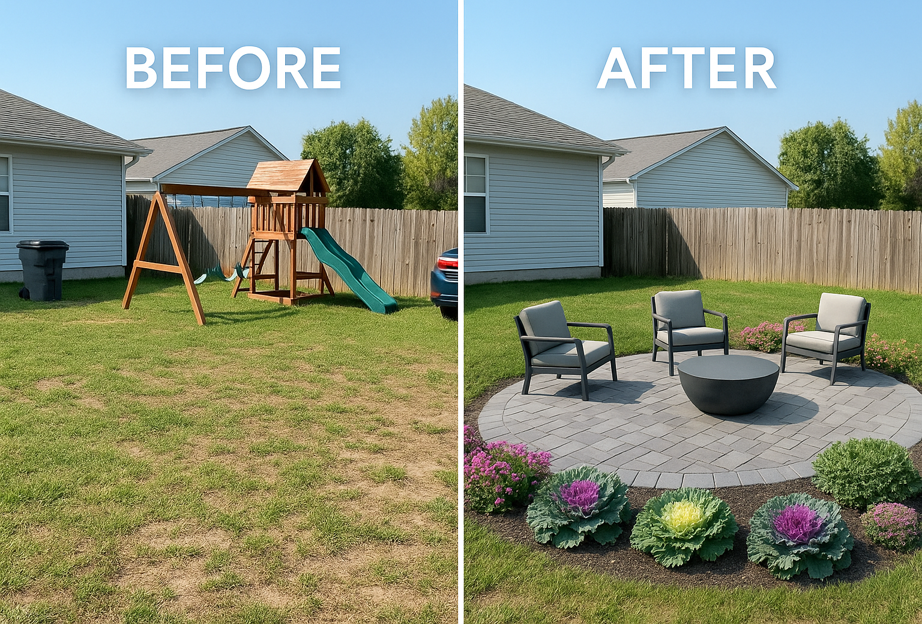
iScape is built specifically for homeowners who want accurate, real world planning without learning professional software. It allows users to design directly on top of photos of their own yard, which removes guesswork and improves decision making.
What makes iScape stand out in 2026 is its focus on scale and realism. Designs are not abstract diagrams. They are built to reflect how the space will actually look and function.
Key capabilities
• Design directly on real photos of your yard
• Real scale placement for plants and hardscape elements
• Large catalog of trees, plants, pavers, walls, and outdoor features
• Easy revision and comparison of multiple layout options
• Useful for both DIY projects and contractor discussions
Best for homeowners who want to visualize changes accurately before committing to materials or labor.
Planner 5D
Best for beginners and budget conscious homeowners
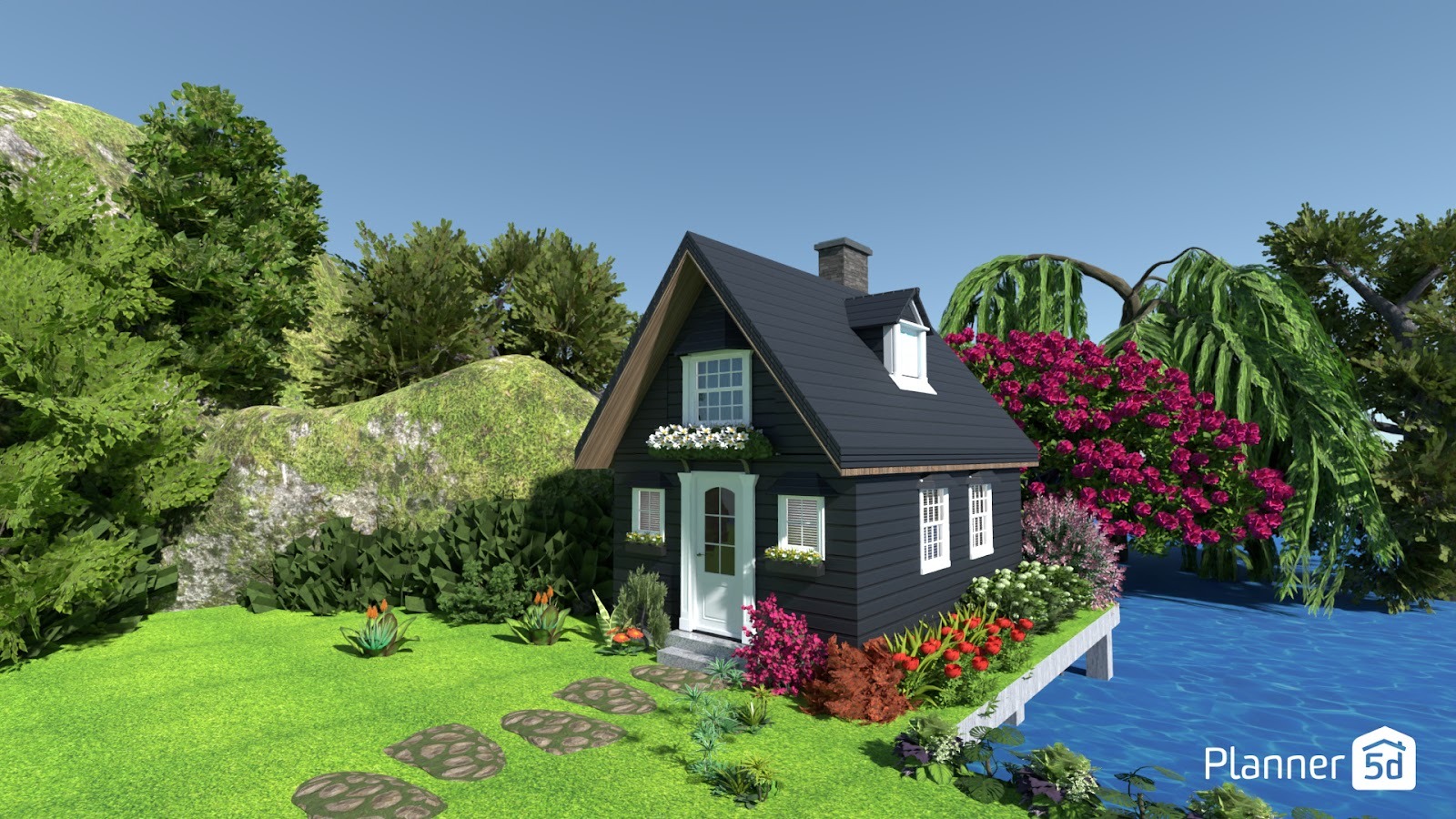
Planner 5D is known for its simple interface and accessibility. While it is not exclusively a landscape tool, its outdoor design features are strong enough for basic yard planning and layout testing.
In 2026, Planner 5D continues to appeal to homeowners who want a low cost entry point into 3D planning without advanced technical requirements.
Strengths
• Simple drag and drop design system
• Free version suitable for basic layouts
• 3D visualization helps understand spatial relationships
• Useful for combining indoor and outdoor planning
Limitations
• Less plant specific detail compared to dedicated landscape tools
• Scale accuracy depends on user input
Best for homeowners who are early in the planning phase and want to experiment with layouts and ideas.
Realtime Landscaping Pro
Best for detailed and structured landscape planning
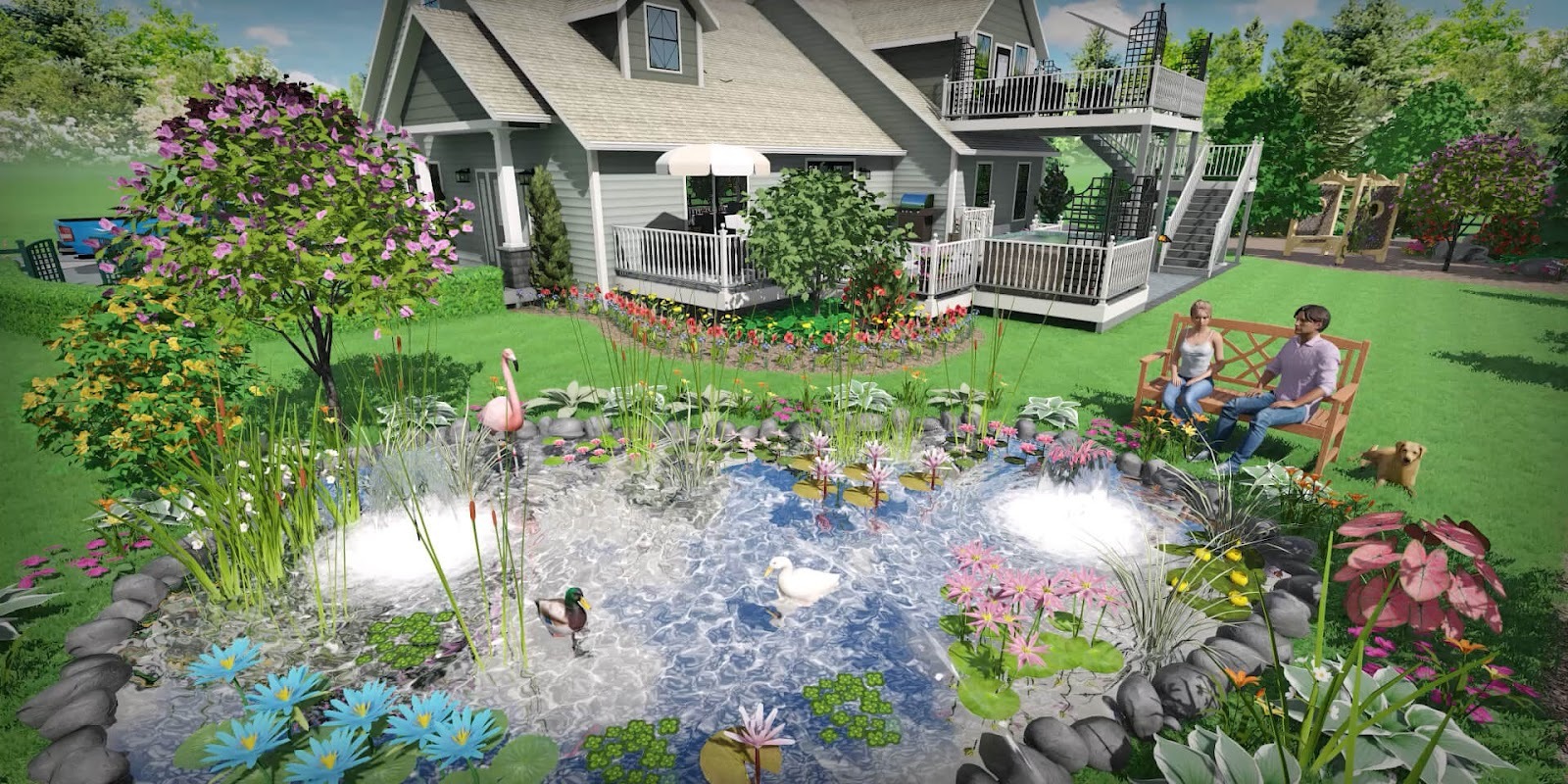
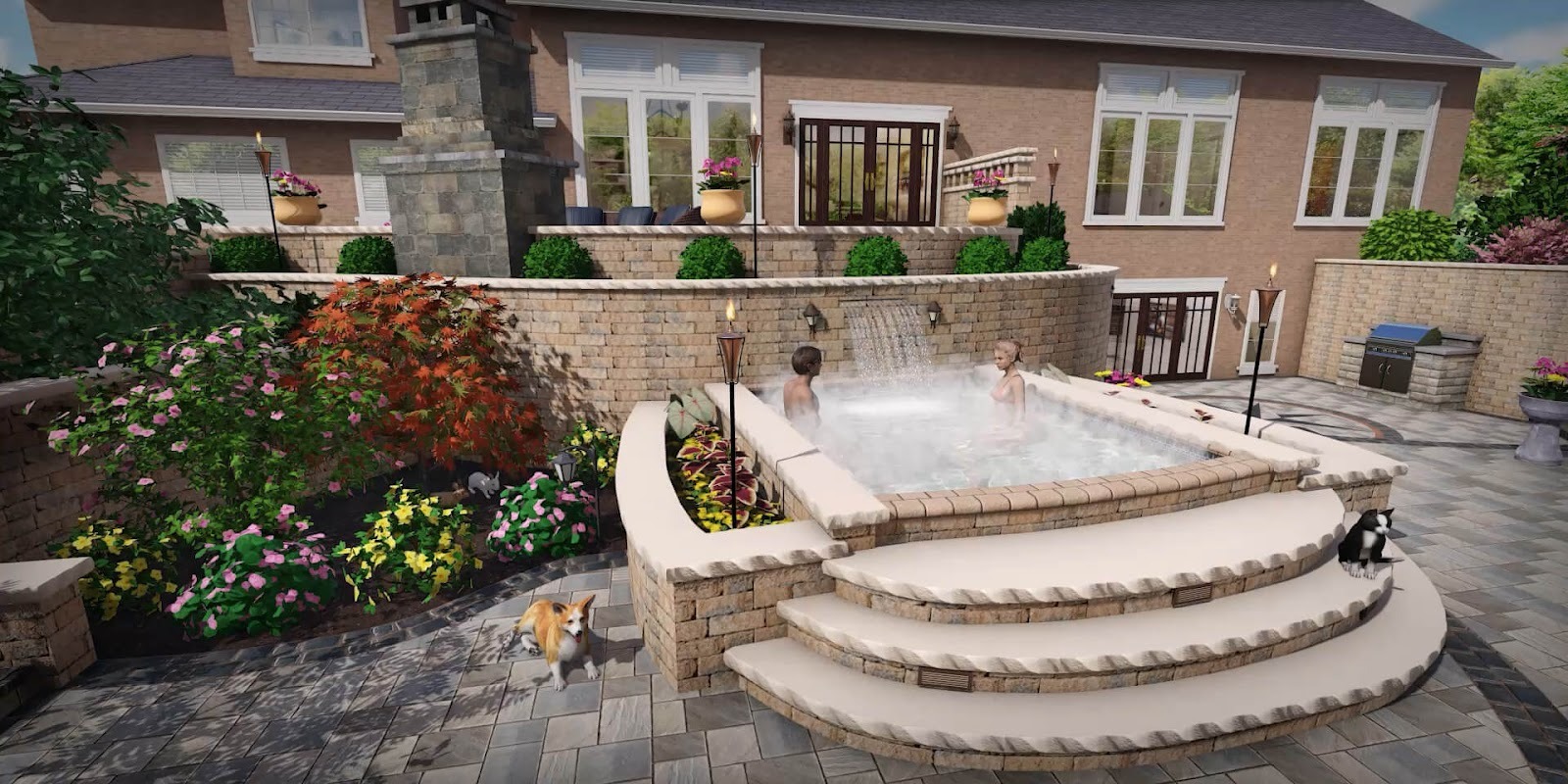
Realtime Landscaping Pro is a desktop based tool focused entirely on outdoor environments. It is more structured than mobile apps and offers deeper control over terrain, planting, and hardscape elements.
This tool is particularly useful for homeowners who want to think long term and consider how their landscape will evolve over years rather than seasons.
Core features
• Advanced terrain shaping and grading tools
• Large plant database with growth behavior
• Realistic lighting and seasonal simulation
• Strong support for patios, retaining walls, and paths
Best for homeowners managing larger yards or complex layouts who want more control without moving into professional level CAD software.
SketchUp
Best for custom and precise 3D landscape modeling
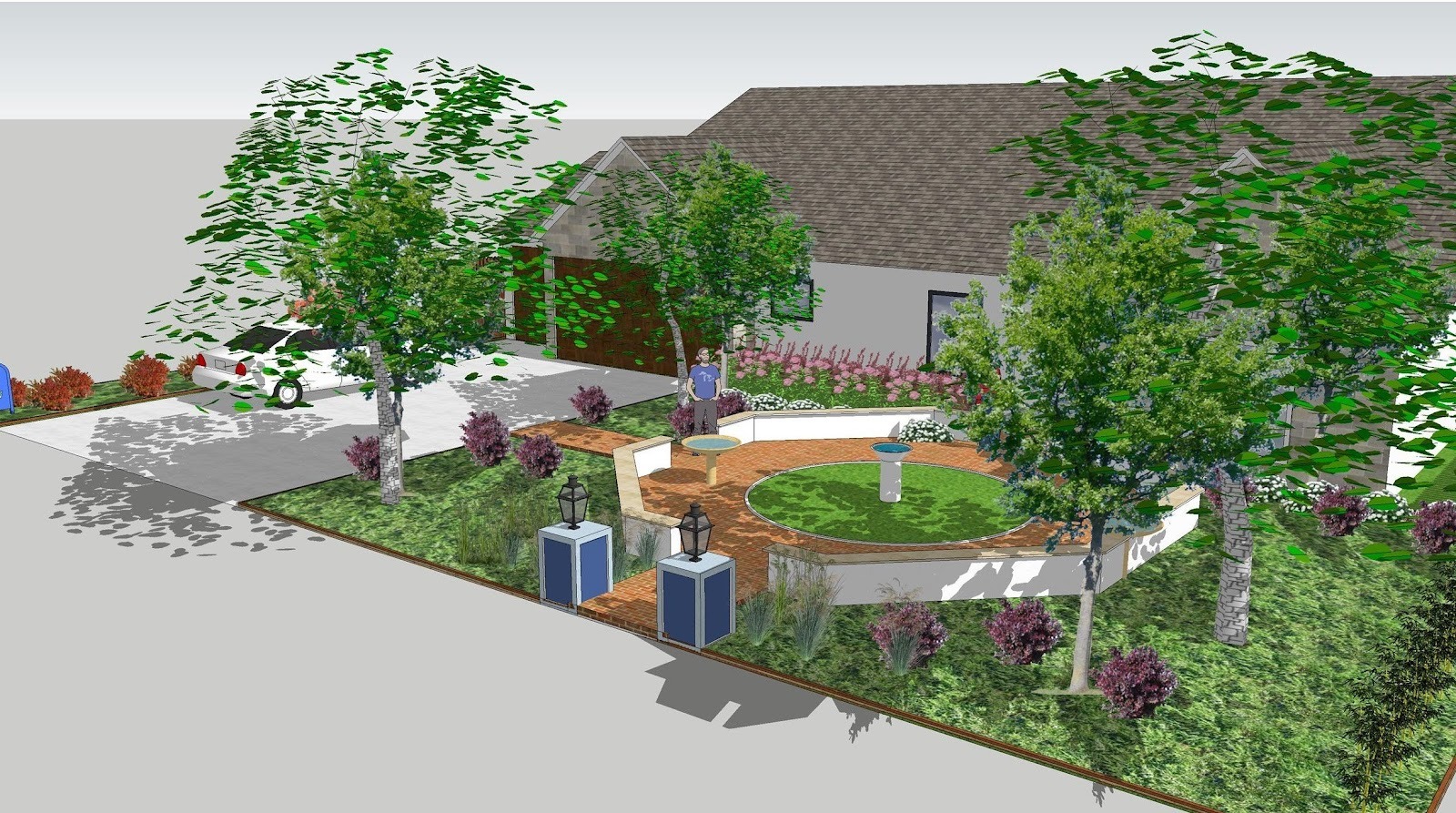
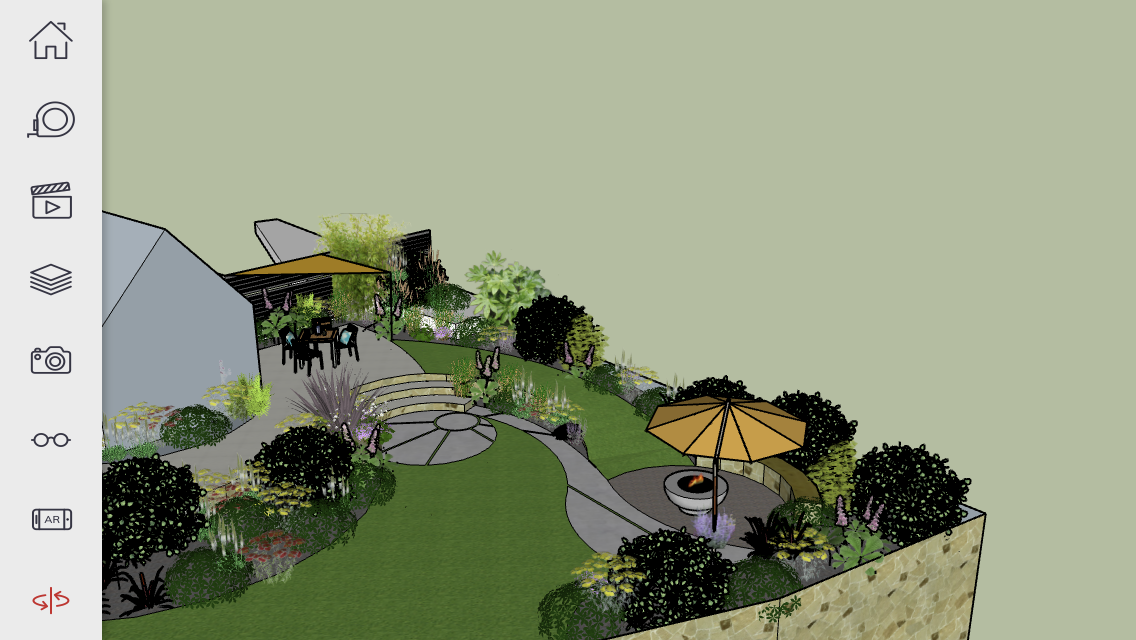
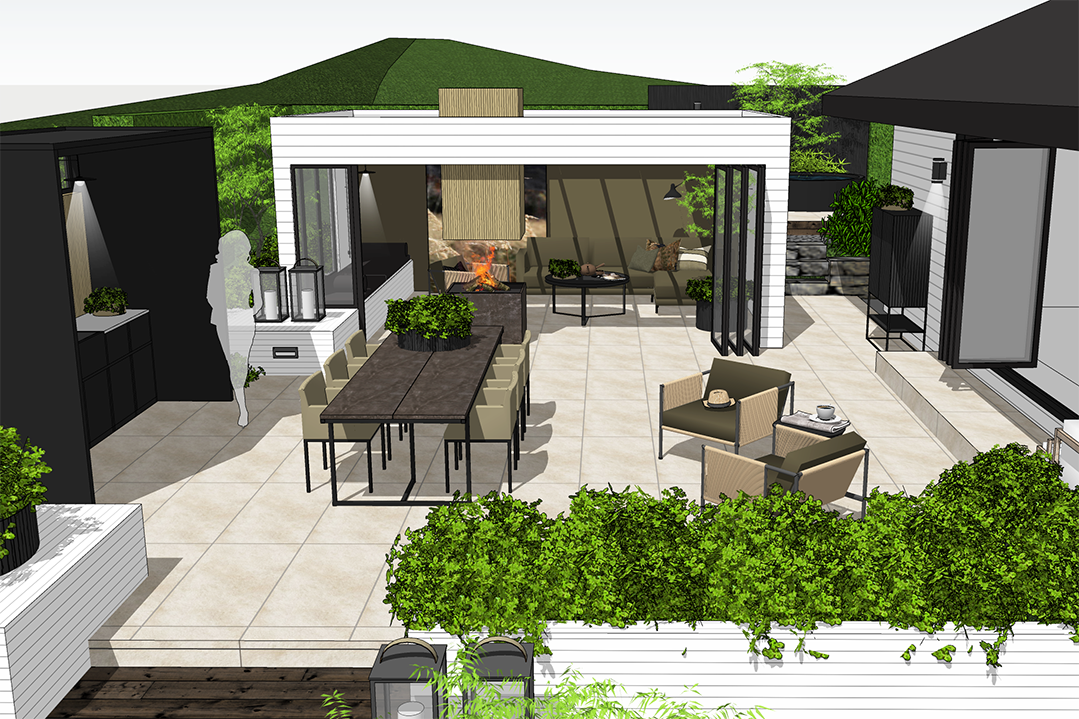
SketchUp is not a landscape only tool, but it remains one of the most powerful options for homeowners who want full control over form and structure. In 2026, it is commonly used by advanced DIY users and those working closely with designers or builders.
SketchUp allows exact measurements, custom shapes, and highly detailed models, but it requires more learning effort.
Advantages
• Full 3D control over every element
• Accurate measurements and proportions
• Large library of community created models
• Strong compatibility with professional workflows
Challenges
• Steeper learning curve
• Requires time investment to use effectively
Best for homeowners who enjoy detailed planning and want complete creative control.
AI Based Landscape Visualization Tools
Best for fast inspiration and early concept exploration
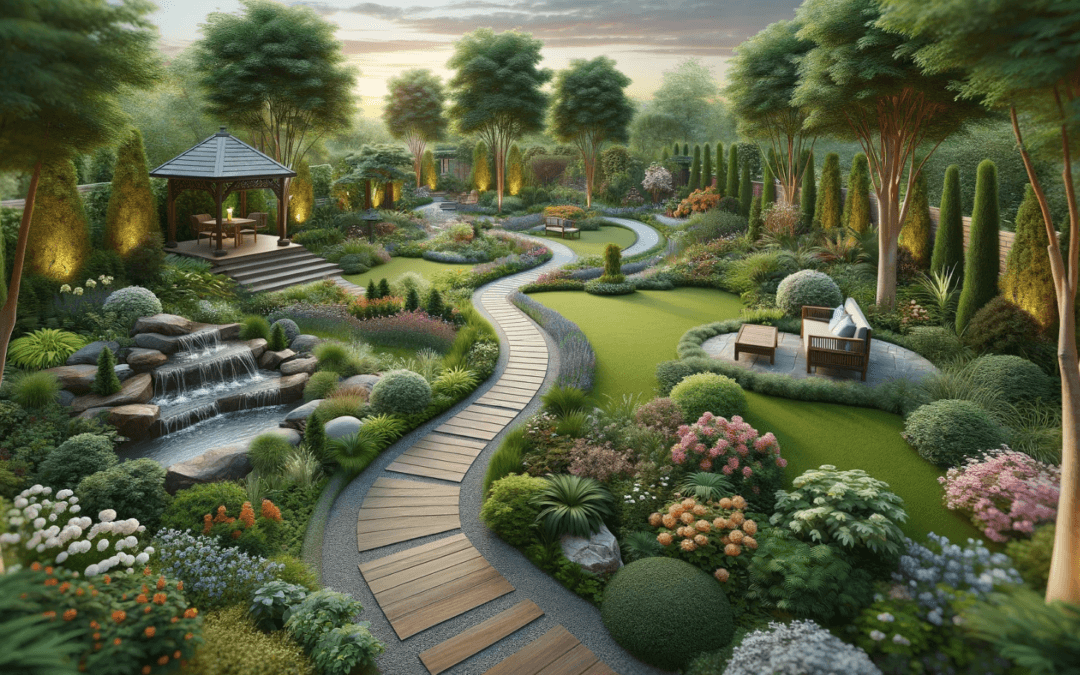
AI driven landscape tools have grown rapidly by 2026. These platforms focus on generating design ideas from photos or rough inputs rather than precise construction plans.
They are not replacements for structured design tools, but they are valuable for inspiration and early direction.
What AI tools do well
• Generate multiple design styles quickly
• Help homeowners visualize possibilities they had not considered
• Reduce decision fatigue during early planning
What they do not replace
• Accurate measurements
• Long term planning and growth modeling
• Construction ready layouts
Best used as a first step before moving to tools like iScape or Realtime Landscaping Pro.
How to Choose the Right Landscape Design Tool
Choosing the right tool depends on how you plan to use it rather than how many features it offers.
Consider these factors
• Do you want realistic visualization or conceptual ideas
• Are scale and spacing important for your project
• Will you share designs with a contractor
• How comfortable are you learning new software
Quick guidance
• For realistic planning on your actual yard choose iScape
• For basic experimentation choose Planner 5D
• For detailed long term planning choose Realtime Landscaping Pro
• For full creative control choose SketchUp
• For inspiration and idea generation use AI tools first
Final Thoughts
The best landscape design tools in 2026 focus on clarity, realism, and smarter decision making. Homeowners no longer need to guess how a project will turn out. With the right tool, you can see problems early, test alternatives, and plan outdoor spaces that function well across seasons and years.
Using design software before building is no longer optional for serious homeowners. It is one of the most effective ways to save money, avoid mistakes, and create outdoor spaces that truly work.