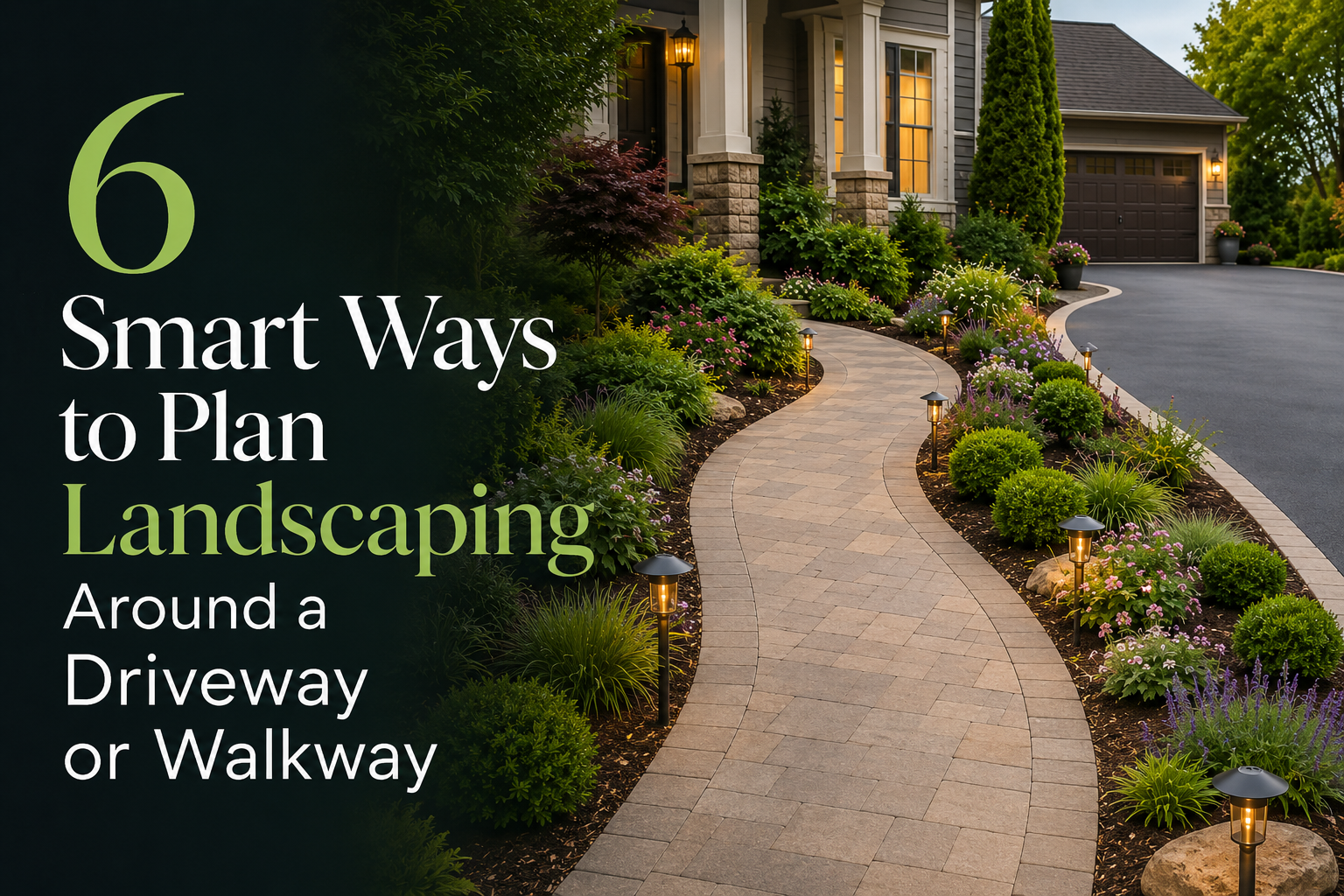
Driveways and walkways are more than paths through your outdoor space. They guide movement, create the first impression of your home, and connect different areas of your yard. When planned well, landscaping around them can make your property look cleaner, more welcoming, and more valuable.
The challenge is that these areas need both beauty and function. Plants cannot block visibility. Roots should not damage the surface. Water should drain properly. The design should look natural instead of crowded or unfinished.
Whether you are updating a front walkway, improving driveway edges, or planning a full landscape refresh, the right approach can help you create a space that feels polished and easy to maintain. If you are planning a bigger front yard upgrade, you can also explore this iScape guide on designing front yard curb appeal.
Here are six smart ways to plan landscaping around a driveway or walkway.
1. Start With the Purpose of the Space
Before choosing plants, borders, lighting, or materials, think about how the driveway or walkway is used every day. A driveway needs enough open space for cars, turning, parking, and safe entry. A walkway needs to feel comfortable, clear, and easy to follow. Ask yourself a few simple questions:
- Is this path mainly for guests, family, or both?
- Do people walk here at night?
- Does the driveway need space for multiple cars?
- Are there areas where people step off the path?
- Does rainwater collect near the edge?
- Do you want the space to feel formal, natural, modern, or cozy?
This step helps you avoid design mistakes. For example, tall plants near a narrow walkway may look attractive at first, but they can make the path feel tight over time. Large shrubs near a driveway entrance may block a driver’s view. Decorative stones may look good, but they can scatter if placed too close to tires. A good landscape design should support how the space is actually used. Once the function is clear, it becomes easier to choose the right plants, borders, lighting, and layout. For more layout-focused ideas, read this guide on easy ways to give your yard a more professional layout.
2. Use Layered Planting to Create a Clean, Finished Look
One of the easiest ways to improve the area around a driveway or walkway is with layered planting. This means placing plants by height, shape, and purpose so the space looks balanced instead of random. For walkways, lower plants usually work best near the edge. They frame the path without making it feel closed in. Small flowering plants, ornamental grasses, groundcovers, and compact shrubs can soften hard edges and add color. For driveways, you can use a slightly stronger plant structure. Medium shrubs, small trees, and neat borders can help define the space, but they should be placed far enough from the driving area to avoid scratches, overgrowth, or visibility issues. A simple layering method is:
- Low plants near the edge
- Medium shrubs behind them
- Taller plants or small trees farther back
This creates depth and makes the design feel more professional. It also helps connect the driveway or walkway with the rest of the yard. Try not to use too many plant varieties in a small area. Repeating a few plants along the path can make the design look calmer and more intentional. Repetition is especially useful for long driveways or straight walkways because it creates rhythm and visual flow.
3. Choose Plants That Fit the Space, Sunlight, and Maintenance Level
The best plants for driveway and walkway landscaping are not always the most colorful ones. They are the plants that fit the space and continue to look good with normal care. Driveways and walkways often come with tough growing conditions. The ground may be hotter because concrete, pavers, and asphalt reflect heat. Soil near these areas can dry out faster. Some areas may get full sun, while others may be shaded by the house, fence, or trees. Before planting, check these important factors:
- How many hours of sun the area gets
- How wide the planting bed is
- How close plants will be to cars or foot traffic
- Whether the soil drains well
- How much maintenance you can realistically handle
For narrow walkway edges, choose compact plants that do not spread aggressively. For sunny driveway borders, use plants that can handle heat and dry soil. For shaded paths, choose shade-tolerant plants that keep their shape without constant trimming.
Avoid plants with sharp thorns, messy fruit, weak branches, or aggressive roots near driveways and walkways. These can create safety issues or extra cleanup. Also avoid plants that grow much wider than the space allows. A small shrub may look perfect when planted, but if it matures to four feet wide, it can quickly take over a path.
4. Add Borders to Define the Edges
Borders are useful because they separate the walkway or driveway from the planting area. They also help keep mulch, gravel, soil, and plants in place. Without a clear edge, even a nice landscape can start to look messy. There are many border options depending on the style of your home:
- Natural stone for a soft, organic look
- Brick for a classic style
- Metal edging for a clean modern look
- Pavers for a structured finish
- Concrete curbing for a durable edge
- Gravel strips for a simple, low-maintenance option
For walkways, borders can make the path feel more inviting and easier to follow. For driveways, borders can prevent grass and plants from creeping into the paved area. They can also reduce damage from tires when placed correctly. The key is to keep the border in proportion. A narrow walkway may only need a simple low edge. A wide driveway may need a stronger border to visually balance the space. Also think about drainage. Borders should not trap water against the driveway or walkway. If the area already has water pooling, the design may need gravel, proper grading, or drainage-friendly planting before adding a hard border.
If you want a cleaner driveway look overall, this iScape post on easy tips to make a driveway look nice offers simple ideas that can support your planning.
5. Plan for Lighting, Safety, and Visibility
Good landscaping around driveways and walkways should look beautiful during the day and remain safe at night. Lighting is especially important near steps, turns, driveway entrances, and uneven surfaces. Path lights can help guests move safely from the driveway to the front door. Low lights along a walkway can also highlight plants and create a warm entry experience. For driveways, lighting near the entrance, garage, and parking area can make the space easier to use after dark. When planning lighting, avoid placing fixtures where they can be hit by car doors, tires, lawn equipment, or foot traffic. Lights should guide movement without feeling too bright or harsh. Visibility is just as important as lighting. Keep tall shrubs, dense plants, and decorative features away from areas where drivers need a clear view. This is especially important near the end of a driveway, at curves, and around walkways that cross the driveway. For walkways, make sure plants do not lean into the path. Even soft plants can become annoying when they brush against people every time they walk by. Keep enough spacing so the walkway stays open as plants mature.
6. Visualize the Design Before You Start Planting
One of the biggest mistakes homeowners make is buying plants and materials before seeing how everything will work together. A plant may look good at the garden center, but it may not fit the space, match the home, or work with the walkway layout. This is where visual planning becomes very helpful. Before spending money on plants, borders, lighting, mulch, or stone, create a clear layout of the area.
You can use iScape for homeowners to visualize landscaping ideas around your driveway or walkway before starting the project. With iScape, homeowners can test different plant placements, compare design styles, and see how borders, greenery, and hardscape elements may look in the actual outdoor space. This is useful because driveway and walkway areas are highly visible. A small mistake in spacing, plant size, or layout can affect the whole front yard. By previewing the design first, you can make better decisions and reduce the risk of costly changes later. iScape can help you:
- Try different plants along the walkway
- Compare border styles
- Plan a more balanced driveway entrance
- Visualize lighting placement
- See how the design connects with the rest of the yard
- Share ideas with family members, contractors, or landscapers
Instead of guessing, you can plan with more confidence and create a design that looks good before the work begins.
Extra Tips for Driveway Landscaping
Driveway landscaping should be attractive, but it also needs to handle daily use. Cars, heat, runoff, and foot traffic can all affect how the area performs. Keep these tips in mind:
- Leave enough space between plants and parked cars.
- Avoid plants that drop sticky sap, fruit, or heavy leaves.
- Use durable edging that can handle nearby vehicle movement.
- Keep the driveway entrance open and easy to see.
- Choose plants that tolerate reflected heat from pavement.
- Use gravel or mulch carefully so it does not spill onto the driveway.
If your driveway is long, consider planting in sections instead of lining the entire space with the same design. This can make the area more interesting while still keeping it organized.
Extra Tips for Walkway Landscaping
Walkways should feel comfortable and natural to use. The landscape should guide people toward the entrance without making the path feel crowded. Here are a few smart walkway planning tips:
- Keep low plants near the walking edge.
- Add color near the entry area for a welcoming look.
- Use soft curves if you want a more relaxed style.
- Add lighting near steps or turns.
- Avoid plants that attract too many bees right beside the path.
- Keep enough width for two people to walk comfortably if possible.
A walkway does not need heavy planting to look good. Sometimes a simple border, repeated plants, and clean mulch are enough to make the whole entrance feel more polished.
Common Mistakes to Avoid
Landscaping around driveways and walkways can go wrong when the design focuses only on looks and not on long-term use. Here are some common mistakes to avoid:
- Planting Too Close to the Edge: Plants need room to grow. If they are placed too close to the driveway or walkway, they may cover the path, scratch cars, or require constant trimming.
- Ignoring Mature Plant Size: Always check how tall and wide a plant will grow. A small plant today can become a large maintenance problem later.
- Blocking Sightlines: Avoid placing tall shrubs, trees, or decorative features where they block views for drivers or guests.
- Using Slippery Materials: Smooth stones or certain pavers can become slippery when wet. Choose safe materials for walking areas.
- Forgetting Drainage: Water should move away from hard surfaces, not collect near them. Poor drainage can damage plants, create mud, and shorten the life of the walkway or driveway.
- Overcrowding the Design: Too many plants, colors, and materials can make the space feel busy. A clean, repeated design often looks more high-end and easier to maintain.
Final Thoughts
Landscaping around a driveway or walkway is about more than filling empty space. It is about creating a better entrance, improving curb appeal, guiding movement, and making your outdoor space feel complete. Start with how the area is used. Choose plants that fit the light, space, and maintenance level. Add clean borders, plan for lighting, protect visibility, and preview the layout before making changes.
With thoughtful planning and tools like iScape, you can design a driveway or walkway landscape that feels beautiful, practical, and connected to the rest of your home. To start visualizing your own outdoor space, you can download iScape and begin testing your ideas before you build.
FAQs
What should I plant along a driveway?
Choose plants that can handle heat, reflected sunlight, and occasional dryness. Compact shrubs, ornamental grasses, groundcovers, and low-maintenance perennials are good options. Avoid plants with aggressive roots, sharp thorns, or messy fruit near the driveway.
How do I landscape a narrow walkway?
Use low-growing plants, simple edging, and a clean planting pattern. Avoid large shrubs or plants that spread into the walking area. Repeating a few compact plants can make a narrow walkway look neat without making it feel crowded.
Should driveway landscaping match the front yard?
Yes, the driveway landscaping should connect with the overall front yard design. It does not need to be identical, but the plants, colors, and materials should feel consistent with the home’s style and the rest of the yard.
How far should plants be from a walkway?
The spacing depends on the mature size of the plant. As a general rule, leave enough room so plants do not cover the path when fully grown. Always check the plant’s mature width before planting.
Can iScape help plan driveway or walkway landscaping?
Yes. iScape can help you visualize plants, borders, hardscape elements, and layout ideas before starting the project. It allows you to test different designs and make smarter decisions before spending money on materials or installation.