Winter used to be the quiet season. In 2026, it’s turning into a real revenue window for landscapers who sell the right upgrades at the right time. When plants are dormant, and lawns look tired, clients notice problems more clearly: dark walkways, muddy side yards, pooling water, bare beds, and outdoor spaces that feel unfinished.
This guide covers the 2026 landscape trends that matter most during winter, plus practical ways to position them so you book work now and secure bigger projects for spring. You’ll also see how a professional landscape design app like iScape can help you visualize ideas faster and close jobs with less back-and-forth.
Why winter is a stronger selling season in 2026
Many of the Latest garden trends are less about “more flowers” and more about performance and lifestyle. Clients want landscapes that hold up through wet months, look intentional year-round, and feel usable beyond summer. That’s why winter-friendly work is gaining traction:
Hardscapes show an immediate visual change even when plants aren’t growing. Lighting instantly improves safety and curb appeal. Evergreens and strong bed lines give a property shape when everything else fades. Drainage fixes solve problems clients deal with daily in winter, which makes them easier to sell.
When you align your winter services with these expectations, you stop competing on price and start winning on value.
Trend 1: Four-season structure becomes the new curb appeal
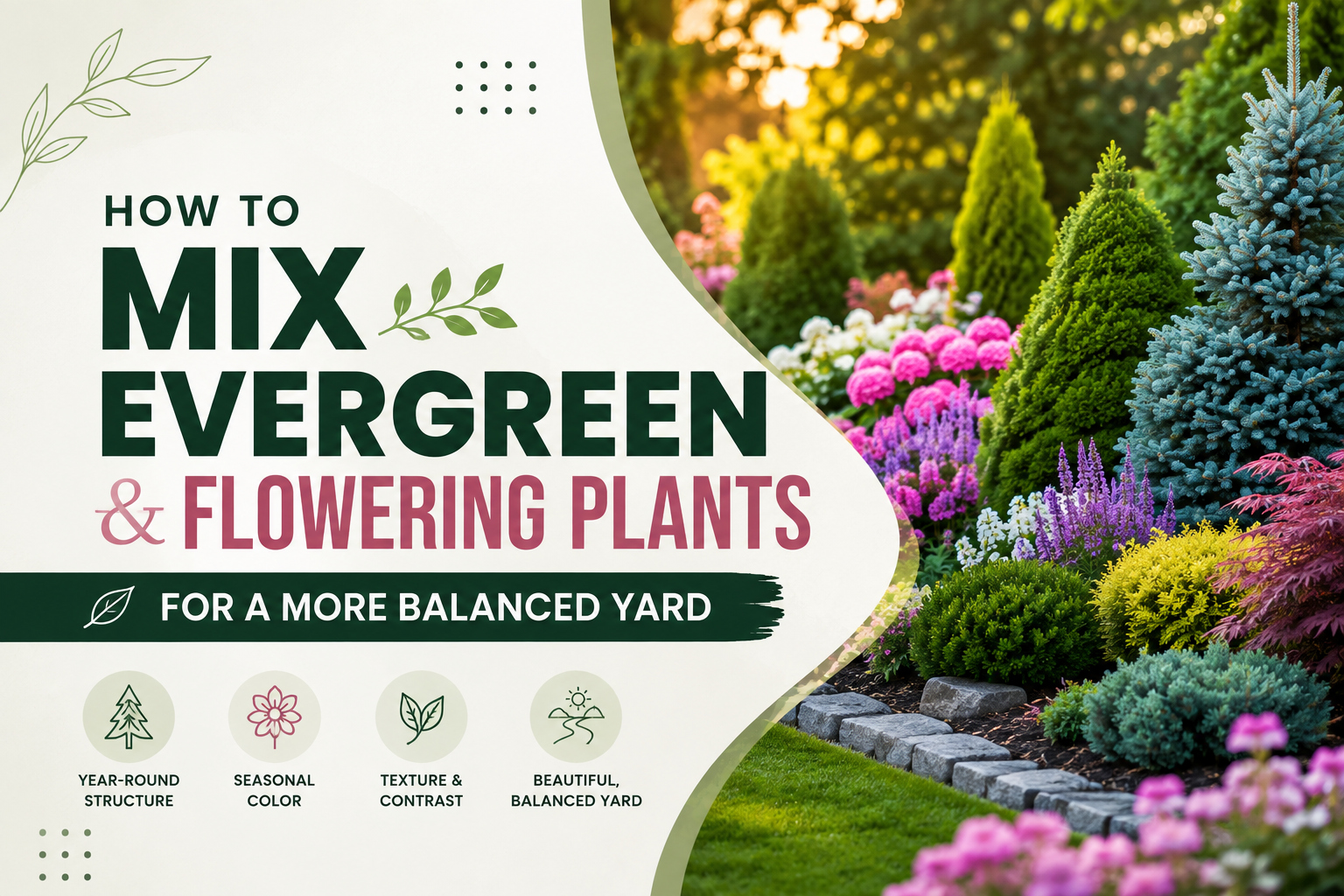
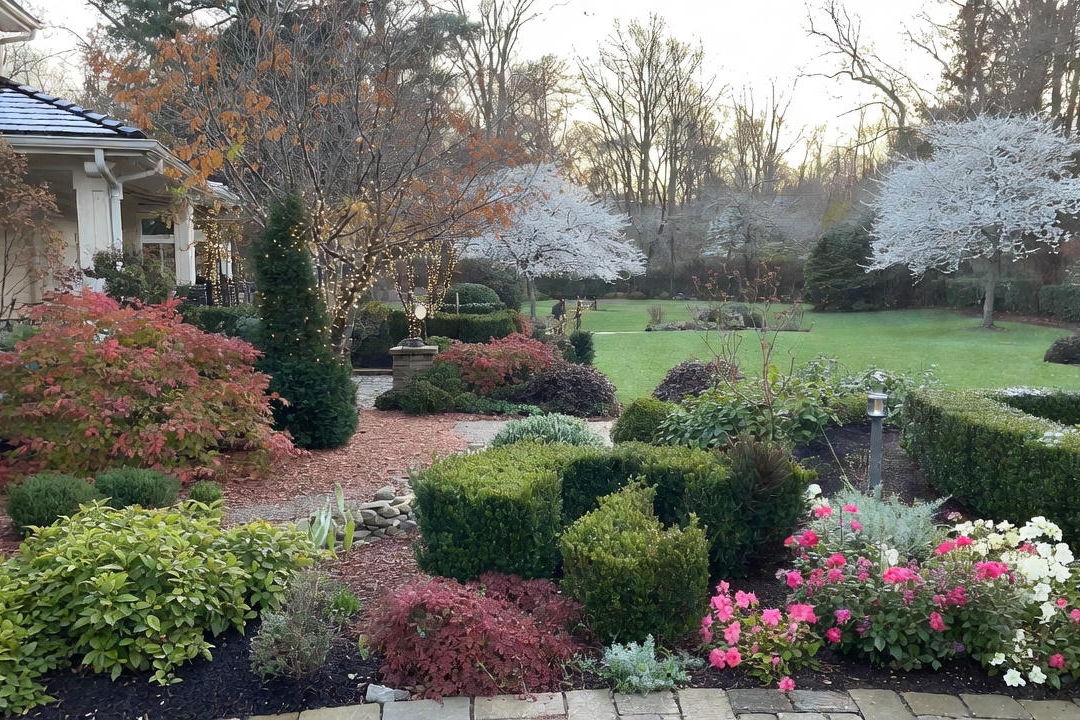
In winter, color drops out. Structure becomes everything. That’s why one of the most dependable gardening trends is designing landscapes that still look “done” when perennials disappear.
The winning formula is simple: create strong visual bones that hold their shape all year. That usually means evergreen anchors, clean bed edges, and winter texture that looks intentional instead of messy.
What clients respond to most is the feeling of order. A yard can be mostly dormant and still look premium if it has clear lines, balanced shapes, and a few reliable evergreen focal points. When you pitch this as a “four-season refresh,” you’re not selling plants. You’re selling year-round curb appeal.
How to win more clients with this trend:
Offer a winter walk-through that identifies where the yard loses structure, then recommend a focused plan for entry areas first (front beds, walkway borders, porch views). Those zones create the fastest emotional payoff, which helps clients approve larger phases later.
Trend 2: Lighting becomes a winter “instant upgrade”
Lighting is one of the fastest winter transformations because nights are longer and safety concerns are greater. In 2026, clients aren’t satisfied with a few scattered path lights. They want lighting that makes the whole property feel intentional after dark.
A strong lighting plan usually includes three layers: functional lighting for steps and paths, accent lighting that highlights features, and ambient lighting that makes outdoor spaces feel warmer and more usable.
Why does it sell so well in winter?
Clients feel the benefit immediately. The same day you install it, the home looks better and feels safer. That’s rare in landscaping. Lighting also pairs naturally with other winter offers like entry upgrades, evergreen foundation planting, and small hardscape improvements.
How to win more clients with this trend:
Position lighting as both safety and curb appeal. Walk the property at dusk (or reference the darkest areas) and explain how lighting reduces risk, improves first impressions, and highlights the parts of the landscape that still look great in winter.
Trend 3: Drainage-first design and permeable hardscapes
If there’s one “problem-driven” trend that closes deals in winter, it’s drainage. Winter rain, melting snow, and freeze-thaw cycles expose every weak spot. Clients suddenly care about runoff, puddles, and muddy traffic paths because they live with them every day.
This is where Hardscape Trends and functionality combine. More clients are asking for solutions that handle water smarter, including permeable surfaces, gravel systems, better grading, and clearer runoff pathways.
How to position it so clients say yes:
Don’t start with materials. Start with the pain. Talk about the puddle by the patio corner, the muddy side yard, the slippery steps, or the water collecting near the foundation. Then give two clear options: a quick improvement that reduces the problem right away, and a long-term fix that solves it fully.
That approach helps you protect margins because you’re not selling “pavers.” You’re selling relief.
Trend 4: Outdoor living that works in cold weather
Outdoor living isn’t slowing down. It’s evolving. Clients want outdoor spaces that feel usable more months of the year, not just summer weekends. That includes fire features, seating walls, wind-protected corners, and layouts that feel like real outdoor “rooms.”
What makes this trend powerful in winter is that you can sell the plan even if the full build happens later. Winter is when homeowners start thinking about what they want next season, and property managers plan budgets early.
How to win more clients with this trend:
Sell it in phases. Phase one can be the base layout and hardscape structure. Phase two can be planting, finishing, and detailing when the weather is ideal. Phasing keeps your winter schedule full and locks in spring work before competitors even get the call.
Trend 5: Low-maintenance, climate-smart planting palettes
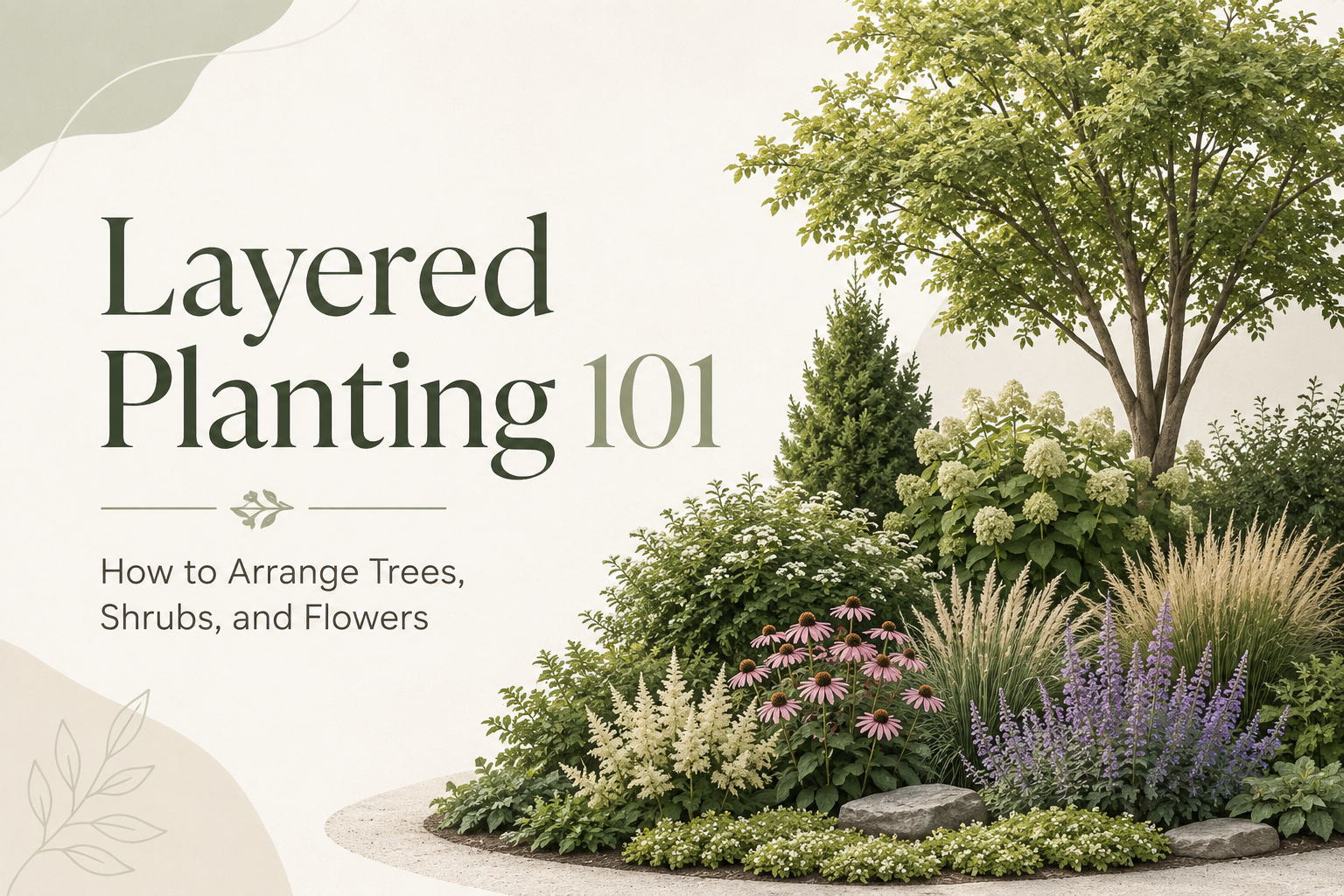
Clients still want green. They just want it with less effort. In 2026, “native” and “climate-adapted” planting will become a default recommendation because it supports long-term resilience and reduces constant replacements.
Winter makes weak planting areas obvious. Bare spots, messy bed shapes, and underperforming shrubs stand out. That gives you an opening to propose a planting redesign that’s simpler, cleaner, and easier to maintain.
How to sell it without getting too technical:
Focus on outcomes instead of plant science. Clients care about fewer replacements, a cleaner shape year-round, less seasonal mess, and more consistent curb appeal. If your proposal clearly delivers those outcomes, the planting choices become an easy agreement instead of a debate.
Trend 6: Wellness-style spaces and privacy-focused layouts
A quieter but real shift is the demand for outdoor spaces designed for daily use, not just entertaining. Think of small “reset zones”: a bench with privacy screening, a simple walkway that feels calming, or a corner that’s protected from wind and street views.
This trend pairs beautifully with winter structure work. Privacy screens, evergreen borders, and hardscape elements can be designed and quoted in winter, and in many regions, portions can be installed depending on conditions.
Why it matters for your business:
Wellness and privacy upgrades tend to be higher value because they’re personal. Clients aren’t just buying a feature. They’re buying comfort, quiet, and a better everyday experience.
What landscaping can be done in winter?
A lot more than most clients assume. Winter landscaping is less about planting new color and more about planning, structure, safety, and problem-solving.
Winter work often includes hardscape installs or repairs (like walkways, patios, steps, seating walls, and fire features), drainage improvements, dormant-season pruning, cleanup and bed re-edging, lighting design and installation, and full design planning for spring builds.
A simple way to explain it to clients is this: winter is when you fix structure and function, so spring looks great without chaos.
Turning these landscape trends into signed jobs
The pros who win more clients in winter usually do three things well.
They help clients see the finished result early. When a yard is brown and bare, it’s hard to imagine what it could become. If you can show the transformation clearly, decisions happen faster.
They package services into clear outcomes instead of selling random line items. Winter clients want simplicity. A focused “front entry upgrade + lighting + four-season structure plan” feels complete. A scattered list of plants and fixtures feels optional.
They make it easy to say yes by offering phases, clear choices, and a clean scope. When the client understands exactly what happens now and what happens later, approvals come faster.
How iScape helps you visualize winter projects and close faster
Winter selling often comes down to one challenge: clients can’t picture the outcome. iScape solves that by helping you visualize designs in a realistic way, using the client’s actual space.
1) Visualize designs using real photos or AR
You can start from a photo of the yard or use an AR-style view to place elements in the space. That makes your ideas feel real, not theoretical. It’s especially helpful for winter projects like lighting placement, evergreen screening, entry upgrades, and hardscape layouts.
2) Build cleaner concepts with a design library
Instead of explaining materials and features with words alone, you can show them. Use the built-in library to mock up planting zones, borders, paths, patios, walls, and other common upgrades tied to today’s Hardscape Trends.
3) Customize the look to match what you install
If you want the concept to look closer to the actual product or finish you use, you can upload your own images for certain plants, pavers, or materials. That keeps the presentation aligned with your brand and your install style.
4) Move from concept to quote with less back-and-forth
Once a client likes what they see, you can turn the concept into a more complete proposal workflow. That helps you tighten the gap between “great idea” and “approved job,” which is exactly what winter selling needs.
Used the right way, iScape isn’t the pitch. It’s the clarity tool that helps clients see the value of your plan quickly, so you can spend less time convincing and more time building.
Final thoughts
Winter isn’t about waiting for spring. It’s about selling smarter work: four-season structure, lighting that improves safety instantly, hardscapes that fix usability and drainage, and planting palettes that lower maintenance while improving curb appeal.
If you align your winter offers with these landscape trends and present them clearly, winter becomes the season where you build your pipeline, protect your pricing, and walk into spring already booked.