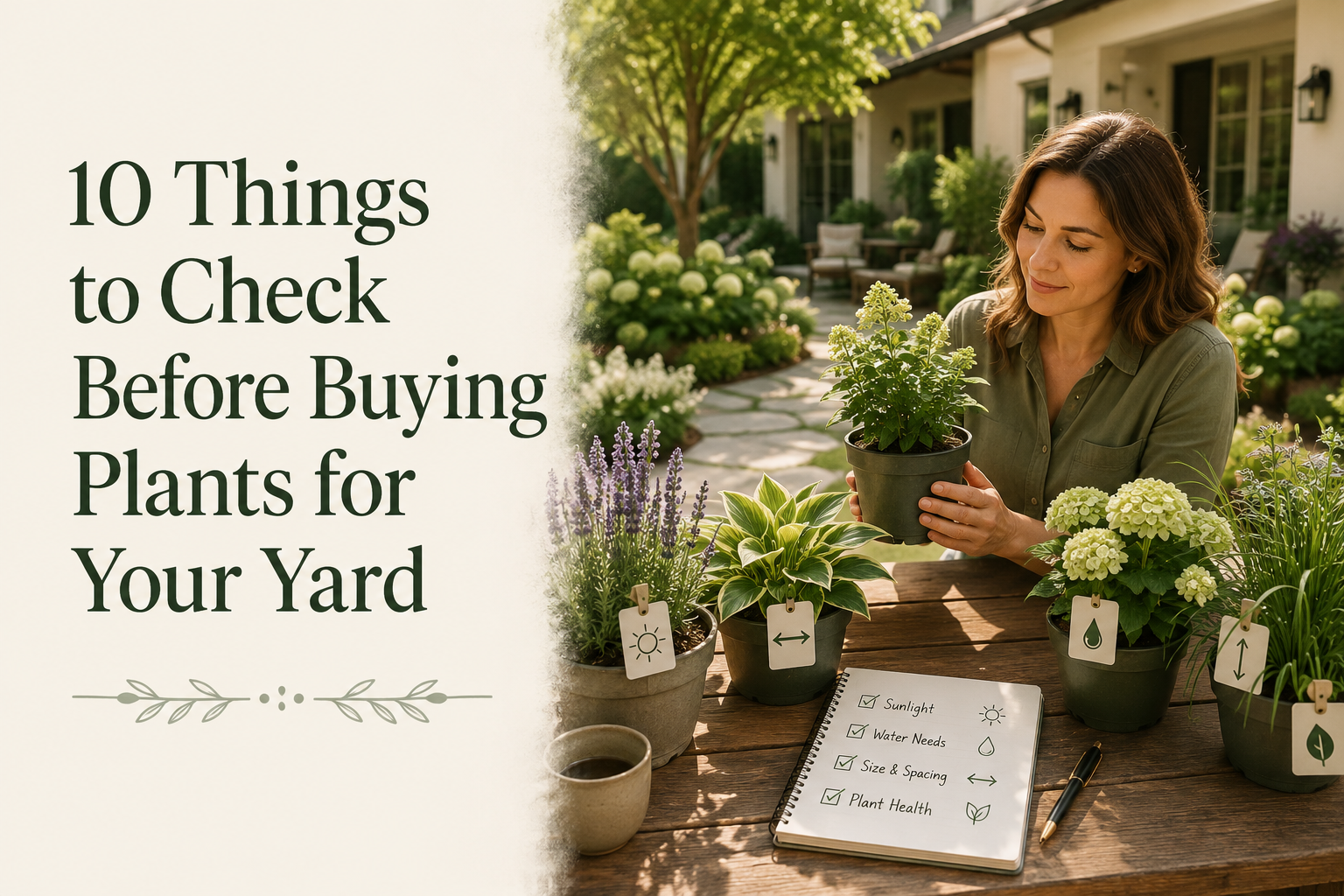
Buying plants for your yard can be exciting, but it is also one of the easiest places to make expensive landscaping mistakes. A plant may look healthy and beautiful at the nursery, but that does not always mean it belongs in your yard. Some plants need more sun than your space can provide. Some grow much larger than expected. Some need more water, pruning, or seasonal care than you want to manage. Others may simply not fit the final look of your landscape design.
The best plants are not just attractive. They match your climate, soil, sunlight, space, water needs, and overall yard plan. Before buying anything, it helps to slow down and check a few important details. A little planning can save you from replacing dead plants, moving shrubs later, or creating a yard that feels crowded and disconnected. If you are still shaping your overall layout, using a visual tool like iScape can help you test plant placement, compare ideas, and see how your yard may look before you start buying plants.
1. Check how much sunlight each area gets
Sunlight is one of the first things to check before choosing plants. A plant that needs full sun may struggle in deep shade. A shade-loving plant may burn, wilt, or dry out if placed in harsh afternoon sun. Walk through your yard at different times of the day and notice how the light changes. Some areas may get gentle morning sun. Others may receive strong afternoon heat. Spaces near fences, walls, large trees, and the side of the house may stay shaded for most of the day. Most plant labels use simple light categories:
- Full sun means around 6 or more hours of direct sunlight.
- Part sun or part shade means around 3 to 6 hours of sunlight.
- Shade means little direct sunlight, usually filtered or indirect light.
Do not judge the whole yard based on one quick look in the morning. Light changes throughout the day, and that difference can decide whether a plant thrives or fails.
2. Understand your soil before planting
Soil affects how well plants settle into your yard. Some soil drains quickly, while some holds too much water. Some soil is loose and easy to dig, while some is heavy, compacted, or clay-like. Before buying plants, check the soil in the area where you want to plant. Dig a small hole and look at the texture. If water sits there for a long time after rain, the area may not suit plants that need well-drained soil. If the soil dries too fast, moisture-loving plants may struggle. The idea of choosing the right plant for the right place is also supported by landscape guidance from UMass Extension, which explains why site conditions should guide plant selection. You do not always need perfect soil, but you do need to understand what you are working with. Adding compost or organic matter can help improve many planting areas, but some plants still need specific soil conditions to grow well.
3. Know your climate and growing zone
A plant may look perfect online or at the garden center, but that does not mean it will survive in your region. Climate plays a major role in plant success. Cold, heat, humidity, frost, wind, rainfall, and seasonal changes all matter. Before buying plants for your yard, check whether they are suitable for your local growing conditions. If you live in the United States, the USDA Plant Hardiness Zone Map is a helpful place to start because it shows which perennial plants are more likely to survive in your area based on average extreme winter temperatures. This is especially important when buying plants online. A plant photo may look beautiful, but it may not be right for your region. Always check the plant’s hardiness zone, local climate suitability, and care needs before ordering. Choosing plants that naturally suit your region usually means better growth, fewer replacements, and less maintenance over time.
4. Check the mature size, not just the nursery size
One of the most common landscaping mistakes is buying plants based on how they look today. A small shrub in a pot may look perfect beside a walkway, window, or patio. But after a few years, it may become too wide, too tall, or too dense for that space. Always check the mature height and spread before buying any plant. This tells you how large the plant is expected to become when fully grown. This matters for:
- foundation planting near the house
- narrow side yards
- walkway edges
- driveway landscaping
- garden borders
- small patios
- window views
- fences and privacy screens
If a plant grows 6 feet wide, do not place it in a 2-foot gap and expect it to stay neat. Constant pruning can make the plant look stressed and unnatural. It is better to choose a plant that fits the space from the beginning. For a deeper guide on matching plants to sun, shade, soil, and spacing, read How To Choose The Right Plants For Sun, Shade, Soil, And Space.
5. Think about the final yard design
Plants should not be chosen one by one without thinking about the full landscape. A yard looks better when the plants work together as part of one design. Before buying, think about the style you want. Do you want a soft cottage garden, a clean modern yard, a tropical look, a low-water landscape, or a simple low-maintenance design? Your plant choices should support that direction. Also think about where the plant will sit in the overall layout. Will it frame the entry? Add privacy? Soften a fence? Create shade? Fill a corner? Add seasonal color? A landscape design app can help you preview plant placement before buying. Seeing the design visually can make it easier to understand whether a plant fits the space, color palette, and overall yard plan.
6. Check water needs before mixing plants together
Not all plants need the same amount of water. Some plants are drought-tolerant once established. Others need regular watering to stay healthy. Problems often happen when homeowners mix plants with very different water needs in the same bed.
For example, if you place a low-water plant next to a moisture-loving plant, one of them may always be unhappy. Water enough for one, and the other may get too much. Water less, and the thirsty plant may suffer. Before buying plants, check their water needs and group similar plants together. The EPA WaterSense landscaping tips also recommend choosing the right plants, supporting soil health, and maintaining landscapes properly for better water use. If your goal is to reduce water use without making the yard look dry or empty, this guide on planning a low-water yard that still looks green, soft, and welcoming can help you plan plant choices more carefully.
7. Look for signs of healthy plants
Once you know which plants fit your yard, check the quality of the plants before buying them. A healthy plant has a better chance of adjusting after planting. Look for:
- strong stems
- fresh, evenly colored leaves
- no major yellowing or browning
- no sticky residue on leaves
- no visible pests
- no bad smell from the soil
- no mushy or damaged roots
- no overly dry or waterlogged potting mix
Avoid plants that look weak, wilted, rootbound, or heavily damaged. A discounted plant may seem like a good deal, but it can cost more in time and care if it never recovers. If possible, gently check the roots. Healthy roots are usually firm and light-colored. If roots are circling tightly around the pot, the plant may be rootbound and may need extra care after planting.
8. Consider maintenance before buying
Some plants look beautiful but need regular pruning, deadheading, trimming, pest control, or seasonal cleanup. That may be fine if you enjoy gardening, but it can become frustrating if you want a simple yard. Before buying, ask yourself how much maintenance you are ready to do. Do you want plants that need frequent shaping? Are you comfortable cleaning fallen leaves or flowers? Will the plant need regular feeding? Does it spread aggressively? Will it need winter protection? Low-maintenance landscaping does not mean using boring plants. It means choosing plants that match your time, comfort level, climate, soil, and space.
9. Check how the plant changes through the seasons
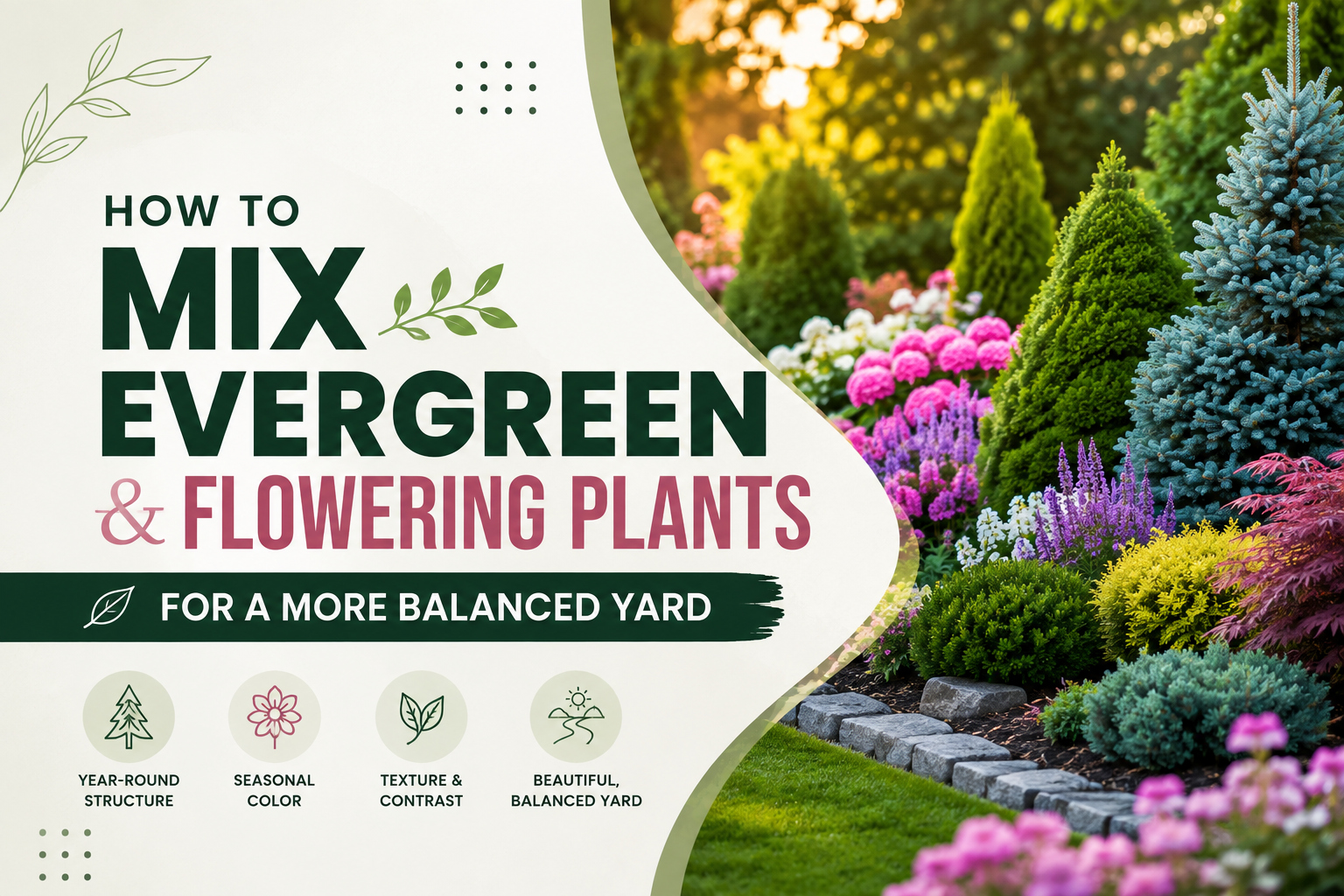
A plant may look great at the nursery because it is in bloom, but what happens after the flowers fade? Does it still have interesting leaves? Does it lose all its structure in winter? Does it add fall color? Does it stay evergreen? Good landscape design considers more than one season. Before buying plants for your yard, check how they look through the year. A balanced yard usually includes a mix of evergreen structure, seasonal flowers, foliage texture, and plants that add interest at different times. This helps avoid a yard that looks full for one month and empty for the rest of the year.
10. Make sure the plant fits your lifestyle and yard use
Your yard is not just a place for plants. It is a space people use. Before buying anything, think about how your family, guests, pets, or children move through the area. Avoid placing thorny plants near walkways, seating areas, or play spaces. Be careful with plants that drop fruit, seeds, or messy flowers near patios and driveways. If you have pets or young children, check whether a plant may be toxic before bringing it home. Also think about visibility and safety. Tall shrubs near driveways, windows, or entry paths may block views if they are not placed carefully. The right plant should improve the way your yard looks and works. It should not create new problems after it grows. Before spending money, you can also try multiple yard ideas using a landscape design app free so you can test plant spacing, color balance, and layout before buying.
Final thoughts
Buying plants for your yard is easier when you know what to check first. Instead of choosing plants only because they look good at the nursery, take time to understand your sunlight, soil, climate, space, water needs, maintenance level, and long-term design goals. The best landscapes are planned before they are planted. When every plant has a reason and a place, the yard feels more balanced, more natural, and easier to maintain. Whether you are refreshing a small garden bed or planning a full yard makeover, checking these details before buying plants can help you avoid costly mistakes and create a landscape that looks good for years.
FAQs
What should I check first before buying plants for my yard?
Start with sunlight, soil, climate, and available space. These four factors decide whether a plant can grow well in your yard. After that, check water needs, mature size, maintenance level, and how the plant fits your overall landscape design.
How do I know if a plant is right for my yard?
A plant is right for your yard if it matches your sunlight, soil type, local climate, water needs, and available space. It should also fit the way you use your yard. The UF/IFAS right plant, right place guide is a useful reference for understanding how plant selection connects with site conditions.
Why is mature plant size important?
Mature plant size helps you understand how large the plant will become over time. A small nursery plant may eventually grow too close to walkways, windows, patios, fences, or other plants. Checking mature height and spread before buying helps you avoid overcrowding and constant pruning.
Should I buy plants before designing my yard?
It is better to plan the yard first, then buy plants. When you buy plants without a plan, you may end up with random colors, crowded beds, poor spacing, or plants that do not fit the final look. A visual planning tool like iScape can help you test ideas before spending money.
How do I choose low-maintenance plants?
Choose plants that naturally suit your climate, soil, sunlight, and water conditions. Low-maintenance plants should not need constant pruning, extra watering, heavy feeding, or special seasonal protection. Native or regionally adapted plants are often easier to care for when placed correctly.
Can I mix drought-tolerant plants with regular plants?
You can, but it is better to group plants with similar water needs together. Mixing drought-tolerant plants with plants that need frequent watering can cause problems. One plant may get too much water while the other does not get enough. Grouping plants by water needs makes care simpler and healthier.
How can I avoid buying the wrong plants?
Avoid impulse buying. Before purchasing, check the plant label, mature size, sun needs, water needs, climate suitability, maintenance level, and health condition. Also think about where the plant will go in your yard and how it will look with the rest of the landscape.
Is it better to buy plants online or from a local nursery?
Both can work, but local nurseries often carry plants suited to your region. Online buying gives you more variety, but you need to check hardiness zone, shipping condition, plant size, and care needs carefully. For beginners, a trusted local nursery can be helpful because you can inspect plant health before buying.